Professional Air Quality Testing in Albuquerque
Finding out that your home or workplace air might be making people sick can feel confusing and overwhelming. Poor indoor air quality quietly affects breathing, sleep, and comfort long before obvious mold or damage appears. Mold Removal Albuquerque provides professional air quality testing for homes, rentals, and commercial properties. We help identify mold spores, allergens, VOCs, and humidity issues so you can breathe with confidence again.
How much does Air Quality Testing cost in Albuquerque?
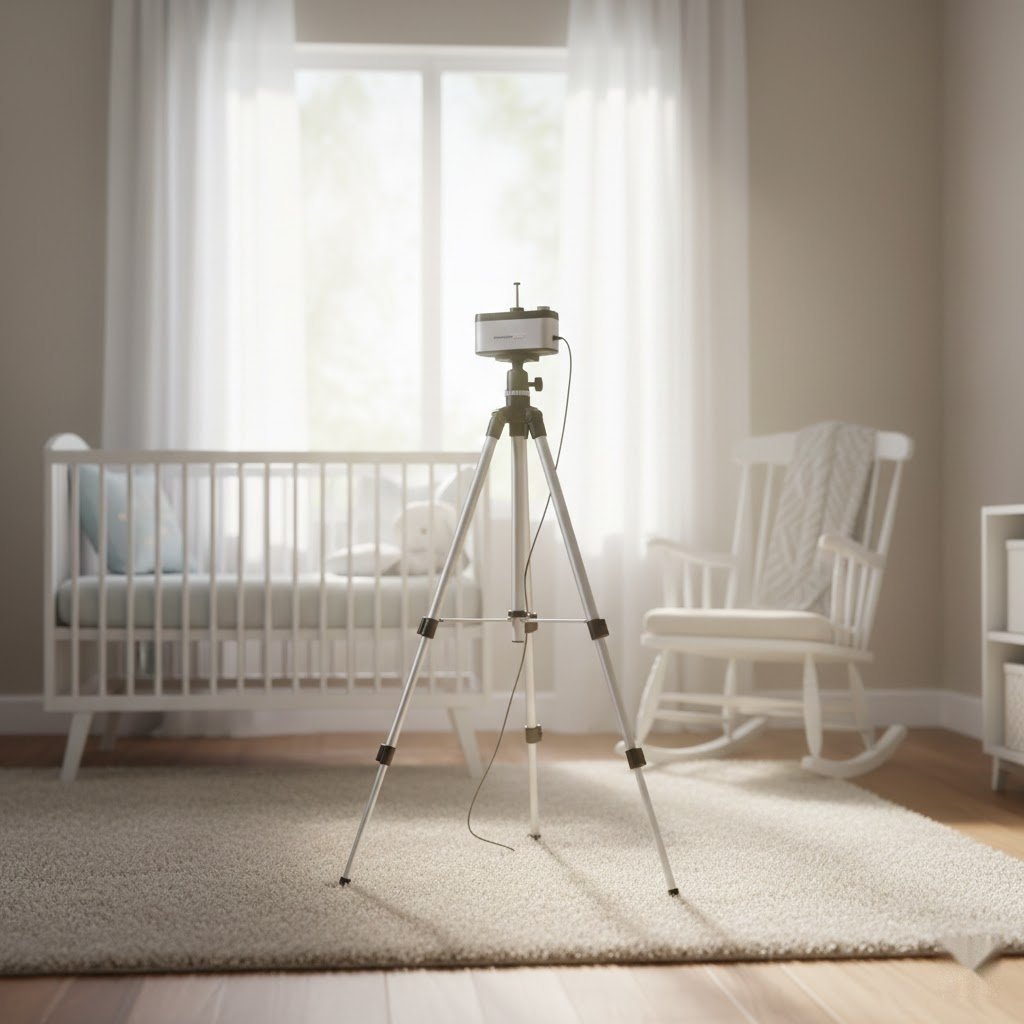
Air quality testing in Albuquerque typically ranges from $350–$900+, depending on building size, number of samples, and whether you need mold-only or full IAQ panels (mold, VOCs, allergens, gases). Same-week appointments are usually available in areas like Downtown, Old Town, and Nob Hill. Final pricing depends on your specific concerns and sampling needs.
What Is Air Quality Testing?
Air quality testing evaluates the indoor environment by measuring mold spores, allergens, VOCs, humidity, and other contaminants that affect health and comfort. Air sampling, lab analysis, and on-site measurements reveal what you can’t see or smell, but your lungs notice every day. This matters because many Albuquerque properties look clean while hiding invisible air problems linked to fatigue, headaches, and respiratory irritation. When you test with Mold Removal Albuquerque, you get a clear, written snapshot of your IAQ and a plan to improve it. For example, a Midtown office we tested looked spotless but showed high indoor spore counts compared to outdoors, leading to targeted mold remediation. If you want the facts about your air instead of guesses, call 505-359-5669 to book testing.

Signs You Need Indoor Air Quality Testing
Indoor air quality testing helps protect your health by identifying pollutants when your body is sending warning signals. Many clients notice persistent symptoms like coughing, sinus pressure, or headaches that ease when they leave the property, which points toward IAQ rather than seasonal allergies. This matters because mold spores, dust, VOCs from paints or cleaners, and poor ventilation can all combine to create an unhealthy indoor mix even without visible mold. The benefit of testing is clarity: you find out if your concerns are mold-related, chemical-related, ventilation-related, or a mix. For example, a family in the Northeast Heights called us after months of nightly coughing; their air tests showed elevated spore and dust levels in bedrooms near an old swamp cooler. If your body feels better when you leave your building, call 505-359-5669 for an IAQ evaluation.
Common Health & Comfort Warning Signs
Health-related IAQ symptoms often appear before you ever see a stain on a wall. Many people report respiratory irritation, itchy or watery eyes, sinus congestion, or fatigue that seems tied to certain rooms or floors. This matters because ongoing exposure to elevated mold spores, dust, and VOCs can aggravate asthma, allergies, and other underlying conditions over time, especially in children and older adults. When you identify and reduce these triggers, you gain the micro-benefit of easier breathing and better sleep without changing medications. For example, a teacher in a small office near UNM Area noticed constant headaches until we tested and found high carbon dioxide and mold counts due to poor ventilation. If these symptoms sound familiar, 505-359-5669 is your next call.
Building & Odor Clues You Should Not Ignore
Building clues often reveal air problems even when health symptoms feel mild. Musty odors, stuffy rooms, condensation on windows, or persistent dust layers suggest issues with humidity, ventilation, or hidden mold. This matters because structural materials like drywall and framing can absorb moisture and become slow-release sources of spores and odors even after surfaces look dry. Correcting these issues early keeps your repair costs lower and protects property value. For example, a Paradise Hills home had no visible mold but a lingering musty smell in the basement; air testing plus moisture mapping confirmed hidden moisture in wall cavities. If your nose tells you something is off, schedule an air quality inspection at 505-359-5669.
Types of Indoor Air Quality Tests We Perform
Professional air quality testing uses targeted tests for mold, chemicals, particles, and humidity so you get a complete picture, not just a single number. We start by selecting test types based on your building type, concerns, and any medical sensitivities you share with us, then combine results into one clear IAQ report. This matters because mold-only testing may miss VOCs from new flooring, while VOC-only testing misses spores from a slow plumbing leak—both relevant to EPA and OSHA indoor air expectations. The benefit is that you avoid piecemeal testing and get a lab-backed explanation of what’s in your air. For instance, a Westside office complex used our full panel to identify both mold and elevated VOCs from recent renovations. To choose the right testing panel for your property, call 505-359-5669.
Mold Spore Air Testing
Mold air testing evaluates airborne spores and compares indoor levels to outdoor baselines using calibrated air pumps and spore trap cassettes. We collect samples in key locations—often near suspected moisture, in bedrooms, and in living areas—and send them to an accredited lab for species identification and spore counts. This matters because Stachybotrys, Aspergillus, and Penicillium can impact indoor air quality even when growth is hidden behind walls or inside HVAC systems, and IICRC S520 emphasizes air evaluation around remediation projects. The micro-benefit is precise targeting: instead of tearing open random walls, you focus inspection and remediation where elevated spore counts point. For example, in an Old Town adobe home, indoor samples showed high Aspergillus levels in one room, leading us directly to a hidden roof leak above that area. If you suspect mold but can’t see it, call 505-359-5669 for mold air testing.
VOC, Allergen, and Particle Testing
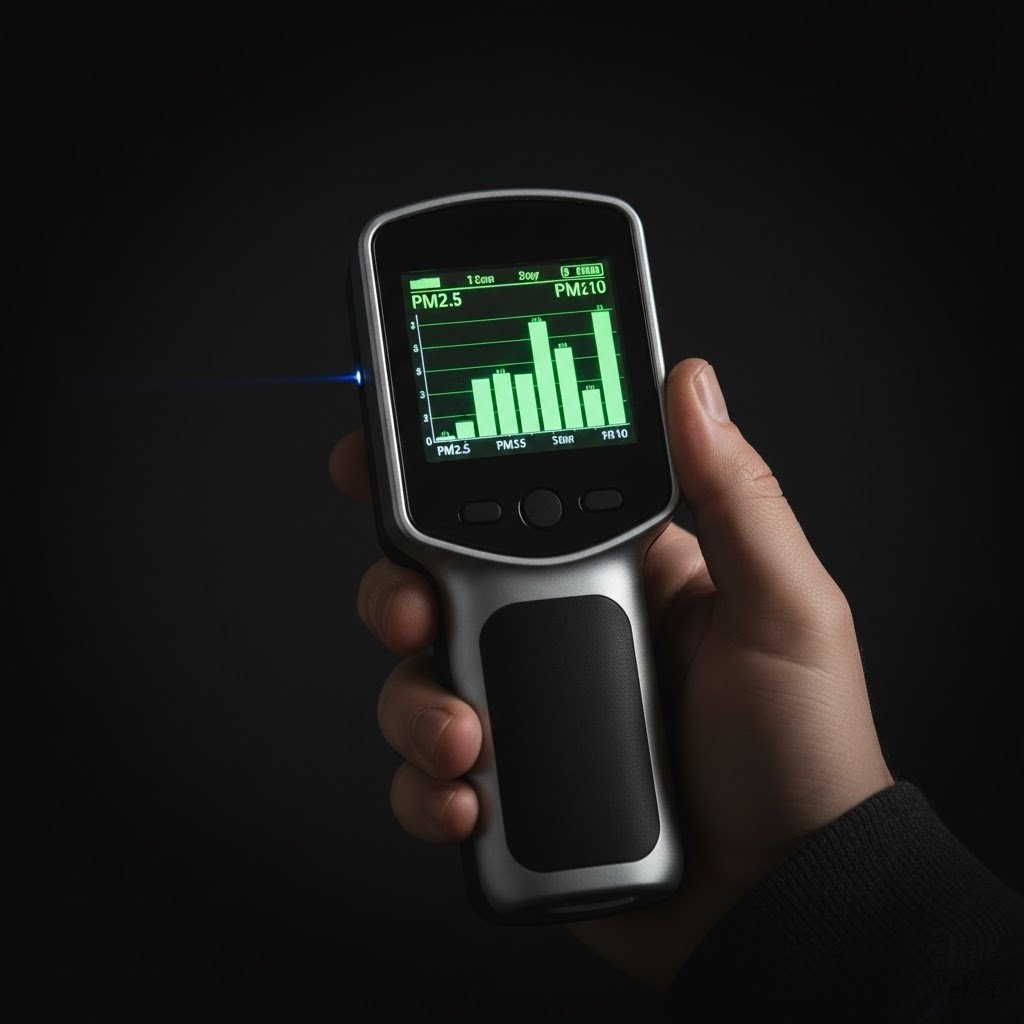
Full IAQ testing includes VOC measurement, allergen and particle analysis, and sometimes CO/CO2 checks for ventilation performance. We deploy devices and sampling media to detect pollutants from paints, cleaning chemicals, furnishings, pet dander, dust mites, and outdoor particles that enter via doors, windows, and swamp coolers. This matters because VOCs and fine particles (PM2.5, PM10) can cause headaches, brain fog, and breathing issues even in buildings without moisture problems, especially in closed-up rooms. You get the benefit of knowing whether your symptoms point more to chemical load or biological contamination, so you can choose the right solution—ventilation upgrades vs. mold remediation, for example. In a Nob Hill condo, testing showed low mold but elevated VOCs from recent renovations, which led to increased ventilation and air scrubbing rather than unnecessary demolition. If new finishes or products are making your space feel “off,” call 505-359-5669.
Humidity, Temperature & CO/CO2 Readings
Accurate humidity, temperature, and CO/CO2 readings help us interpret your IAQ results within the context of building science. We use hygrometers and indoor air meters to document relative humidity, carbon dioxide levels tied to occupancy and ventilation, and any carbon monoxide presence from combustion appliances. This matters because mold thrives at humidity above roughly 60%, high CO2 often means stale air, and CO is a critical safety concern in line with OSHA and EPA guidance. The benefit is that you don’t just see lab numbers; you see how your daily living habits, HVAC runtime, and ventilation patterns impact overall air quality. For example, a family in the Northeast Heights saw humidity spikes above 65% in bathrooms and bedrooms after showers, which matched mold growth in those areas. If you want real data behind your indoor comfort, schedule a test at 505-359-5669.
Our Professional Air Quality Testing Process
Professional air quality testing follows a structured, science-based process to capture reliable samples and interpret them correctly. We begin with a detailed consultation about symptoms, building history, water events, and any previous testing or remediation before we unpack a single air pump. This matters because understanding where you’ve had leaks, remodeling, or complaints helps us place air and surface samples effectively, similar to how environmental hygienists approach commercial IAQ investigations. The micro-benefit is efficiency: fewer wasted samples, more actionable information, and a focused plan. An example is a Downtown law office where we prioritized sampling conference rooms with reported headaches and found elevated CO2 from limited ventilation. To get a structured, professional approach instead of guesswork, call 505-359-5669.
Consultation & Visual Assessment
The consultation phase identifies your main concerns and inspects visible building conditions before any sampling begins. Our technician walks the property, noting water stains, condensation, HVAC layout, and ventilation features like bath fans and kitchen hoods. This matters because a visual inspection combined with IICRC-informed moisture awareness can point to obvious risk zones—bathrooms, basements, window walls—where air tests carry the most diagnostic power. The benefit is a smarter testing plan that aligns with your budget and priorities. For example, a Taylor Ranch homeowner initially wanted testing in every room, but our walkthrough narrowed the focus to areas around a known roof leak and a musty hallway. Start your IAQ assessment with a targeted inspection by calling 505-359-5669.
Mold Spore Air Sampling
Mold air sampling uses calibrated pumps to pull a measured volume of air through spore trap cassettes at strategic locations. We typically take at least one outdoor baseline sample plus multiple indoor samples to compare spore levels and species inside vs. outside. This matters because not all indoor spores are a problem; what we look for is patterns—certain species or counts significantly higher indoors, which fits AIHA and IICRC guidance for mold investigations. The micro-benefit is clarity: you will know whether your indoor air is typical for Albuquerque’s dusty environment or truly impacted by an indoor mold source. In one Uptown condo, outdoor samples were high in general spores but indoor samples stayed lower, confirming no significant indoor mold issue despite concerns. If you’re worried about spores in your air, call 505-359-5669 for spore trap testing.
VOC, Particle & Allergen Evaluation
Depending on your situation, we may add VOC sampling, particle counts, or allergen tests to your IAQ panel. VOC devices or badges capture off-gassing from paints, adhesives, cleaning products, and furnishings, while particle counters measure fine debris that impacts lungs and triggers asthma. This matters because an office with brand-new carpet and paint may have excellent mold numbers but still cause headaches due to VOCs well within recognized thresholds of concern. The benefit is that we can recommend ventilation changes, product substitutions, or filtration improvements instead of defaulting to mold remediation in every case. One Mesa Del Sol office complex, for example, resolved staff discomfort with ventilation upgrades after testing showed VOC issues from new furnishings, not hidden mold. If you want to understand the full story behind your air, call 505-359-5669.
HVAC & Ventilation Assessment
HVAC and ventilation assessment identifies how your air moves, where it stagnates, and where contaminants might recirculate. We inspect supply and return locations, filter conditions, and duct design, and we may recommend or perform air sampling near vents or inside returns when contamination is suspected. This matters because HVAC systems often spread spores, dust, and VOCs throughout properties, and EPA guidance stresses the role of ventilation in maintaining acceptable IAQ. The benefit is that you can correct root causes—dirty ductwork, poor filtration, lack of outside air—rather than endlessly cleaning individual rooms. A High Desert home with recurring bedroom odors finally solved the issue after we traced the problem to a contaminated return plenum via targeted testing. If you suspect your vents are part of the problem, call 505-359-5669.
Laboratory Analysis & Written IAQ Report
All collected samples are shipped to a certified laboratory for microscopic or instrumental analysis, depending on test type. The lab identifies mold species, spore counts, particle levels, and other metrics and returns structured data that we interpret in the context of your building and outdoor baseline samples. This matters because interpretation is where many DIY kits fail; raw numbers mean little without understanding local outdoor conditions and industry guidelines. The micro-benefit is that you receive a clear, plain-language IAQ report outlining what we found, what it likely means for your air quality, and recommended next steps. For instance, a Sandia Heights property received a report showing one room with significantly elevated Penicillium spores, pointing directly to a localized moisture issue. If you want a written report you can share with doctors, landlords, or insurers, call 505-359-5669.
Air Quality Testing Specifically for Mold
Air quality testing for mold focuses on airborne spores to identify whether an indoor source is affecting your property. We use spore trap cassettes and calibrated pumps to gather short, time-limited samples from key zones and compare them against an outdoor reference sample. This matters because mold spores are always present outdoors in Albuquerque, but what signals a problem is elevated indoor counts or problematic species concentrated in specific rooms. The benefit is targeted investigation instead of widespread demolition. For example, in a South Valley rental, only the living room sample showed high Stachybotrys-like spores, guiding us to a hidden wall leak behind that area. To confirm whether mold is impacting your air, schedule mold air testing at 505-359-5669.
Residential & Commercial Indoor Air Quality Testing
Residential and commercial air quality testing share core tools but differ in scale, documentation, and compliance expectations. In homes and apartments, we focus on comfort, family health, and mold risk around bathrooms, basements, and HVAC systems that serve bedrooms and living spaces. This matters because families, especially those with kids, elderly relatives, or asthma sufferers, often need quick answers and practical steps rather than lengthy reports. The benefit is a straightforward explanation of your IAQ with clear “do this next” guidance. For instance, a Westgate family used our residential IAQ report to justify bathroom ventilation upgrades and minor remediation. For home or rental IAQ concerns, call 505-359-5669.
In commercial spaces like offices, schools, restaurants, and small medical facilities, IAQ testing often intersects with OSHA expectations, property management standards, and tenant/employee concerns. We inspect larger HVAC systems, more complex occupancy patterns, and potential chemical exposures from cleaning protocols, materials, or operations. This matters because commercial environments can concentrate CO2, particles, and VOCs when ventilation is undersized, and documented testing helps protect both occupants and operators. The micro-benefit is having a defensible, third-party IAQ record you can share with stakeholders. A Midtown / EDo office building, for example, used our report to implement ventilation changes that improved staff comfort and reduced IAQ complaints. For workplace IAQ evaluations, call 505-359-5669.
Hidden Mold Detection Through Air Testing
Air quality testing helps identify hidden mold when visual inspection doesn’t reveal obvious growth. We may perform air sampling near suspect walls, in basements or crawl spaces, and around bathrooms or kitchens where plumbing runs inside cavities. This matters because water can travel behind drywall, under flooring, and through ceiling spaces, supporting hidden colonies that only show up as musty odors or subtle health changes. The benefit of air testing is that you can confirm whether these hidden areas are affecting indoor air before cutting open walls. In a La Mesa / Trumbull Village home, air samples taken near a seemingly intact wall revealed high spore counts, leading to targeted opening and repair of a slow plumbing leak. If you suspect hidden mold, call 505-359-5669 for diagnostic air testing.
Why Choose Mold Removal Albuquerque for Air Quality Testing
Choosing the right team for air quality testing protects your health and investment by ensuring accurate sampling and honest interpretation. Mold Removal Albuquerque specializes in mold, moisture, and IAQ for local homes and businesses, so we understand how Albuquerque dust, monsoon humidity, and swamp cooler systems shape your air. This matters because IAQ here is not the same as in coastal or extremely humid climates; outdoor dust and pollen are high, while indoor problems often stem from targeted moisture and ventilation issues rather than constant dampness. The benefit is localized expertise: we separate “normal for Albuquerque” from “problem that needs action” instead of overreacting to every spore count. For example, a Northwest Heights homeowner was told by another provider that any spores were unacceptable; our more nuanced approach prevented unnecessary demolition and focused on actual hotspots. For locally informed IAQ testing, call 505-359-5669.
Our team uses industry-recognized methods and works in alignment with guidance from entities such as EPA, OSHA, AIHA, and IICRC S520 when testing around remediation projects. We maintain high standards for equipment calibration, chain-of-custody, and lab selection so your samples and results are defensible. This matters for landlords, property managers, and business owners who may need to demonstrate due diligence to tenants, employees, or insurers. The micro-benefit is reduced liability and increased trust. A commercial client in Uptown used our IAQ documentation to satisfy tenant concerns after renovations and avoid prolonged disputes. If you need results you can stand behind, contact us at 505-359-5669.
How to Improve Indoor Air Quality After Testing
Improving indoor air quality after testing starts with addressing the specific issues your report identifies. For mold-related findings, that may mean moisture correction, mold remediation, and post-remediation verification; for VOC- and particle-related findings, the focus may shift to product choices, filtration, and fresh air intake. This matters because general advice like “just open windows” or “buy a purifier” often falls short if humidity, ventilation, or materials remain unchanged. The benefit is a tailored plan matched to your lab results, building layout, and usage. For example, a Northeast Heights home with high bedroom CO2 levels solved the issue with a mix of mechanical ventilation and schedule changes rather than major construction. To turn IAQ data into a clear action plan, call 505-359-5669.
Common recommendations include improving bathroom and kitchen exhaust performance, managing humidity with dehumidifiers where needed, sealing leaks, upgrading HVAC filters, and, when appropriate, planning mold prevention. We emphasize long-term prevention rather than one-time quick fixes, aligning with EPA indoor air guidance for sustainable improvements. The micro-benefit is that you get steady, predictable comfort and fewer surprise problems rather than cycling between crises. In a Ventana Ranch property, for instance, a combination of bath fan upgrades, better filtration, and minor remediation significantly improved both IAQ measurements and occupant comfort at follow-up. If you want your next IAQ test to show real improvement, start with a consultation at 505-359-5669.
Local Indoor Air & Neighborhood Conditions in Albuquerque
Indoor air quality in Albuquerque is shaped by a unique blend of desert dust, elevation, and seasonal moisture. Homes in Downtown, Old Town, and Nob Hill often combine older construction with modern HVAC or swamp coolers, which can pull in dust and introduce moisture into wall cavities and around windows. This matters because even if the climate is generally dry, localized humidity and dust loading can still push spore counts and allergens higher indoors. The benefit of working with a local IAQ team is that we recognize which spore and dust patterns are typical vs. concerning for your neighborhood. If your older home feels musty or dusty, book testing at 505-359-5669.
In newer developments like Mesa Del Sol, North Albuquerque Acres, and portions of the Northeast Heights, tighter construction and energy-efficient windows can trap VOCs and moisture if ventilation is undersized. Monsoon season and large daily temperature swings can also drive condensation inside walls and around stucco, especially near roof lines and window openings. This matters because tightly sealed buildings may have great energy performance but suffer from poor IAQ without mechanical ventilation. The micro-benefit of testing is finding that balance between comfort, efficiency, and fresh air. Whatever part of the metro you’re in, Mold Removal Albuquerque can test and interpret your air—just call 505-359-5669.
Air quality testing services based near central Albuquerque with fast response to neighborhoods like Downtown, Old Town, Nob Hill, Northeast Heights, and surrounding communities.
FAQs About Air Quality Testing in Albuquerque
Indoor air quality testing measures mold spores, allergens, VOCs, gases, and humidity to evaluate how healthy and comfortable your indoor environment is. Results guide ventilation, filtration, and mold remediation decisions.
We use calibrated air pumps and spore trap cassettes to collect samples in key rooms and outdoors, then send them to a lab that identifies species and spore counts so we can compare indoor vs. outdoor levels.
Black mold air testing can detect spores from Stachybotrys and other black molds, but confirmation of an indoor growth source may also require visual inspection, moisture checks, or surface sampling in suspected areas.
Air quality testing is worth it if you have symptoms, musty odors, water damage history, or concerns about hidden mold, VOCs, or allergens and want lab-backed answers instead of guessing.
Most air quality testing visits take 60–120 minutes on-site, with lab results typically available within several business days, depending on the number and type of samples.
Air tests show what you’re breathing, while surface tests help confirm growth on specific materials; we recommend a combination when hidden mold or localized staining is suspected.
DIY kits often lack proper sampling volume, chain-of-custody, and professional interpretation, so their results are usually less reliable than tests done with professional equipment and accredited labs.
Testing does not fix IAQ issues directly; it provides the information needed to choose the right solutions—ventilation upgrades, filtration, moisture correction, or mold remediation.

Experience, Standards & Safety
Mold Removal Albuquerque has extensive experience inspecting and testing indoor environments across the Albuquerque area, from small condos to multi-tenant commercial properties. Over the years, we’ve seen how local dust, monsoon storms, swamp coolers, and mixed-age construction interact to create unique IAQ challenges. This matters because on-the-ground experience helps us separate normal background conditions from genuine contamination. The benefit is trustworthy guidance focused on your safety and comfort. For seasoned IAQ professionals, call 505-359-5669.
We align our air quality testing practices with recognized standards from EPA, OSHA, AIHA, and IICRC when tests are related to mold remediation projects. Our team follows consistent safety protocols, uses appropriate PPE when inspecting high-risk areas, and documents findings thoroughly for you and any relevant stakeholders. This matters whether you are a homeowner, landlord, property manager, or business owner needing to demonstrate due diligence. The micro-benefit is peace of mind that your IAQ concerns are being handled professionally and responsibly. To work with a team that prioritizes both data and safety, call 505-359-5669.
Client Feedback & Results
Many homeowners, tenants, and business owners across Albuquerque have used our air quality testing to uncover and resolve hidden problems. Clients frequently tell us that having a clear report with lab-backed findings finally ends the uncertainty around persistent symptoms and odors. This matters because guessing is stressful; data is calming. The benefit is knowing exactly what you’re dealing with and how to fix it. One family in Nob Hill told us their kids slept better and coughed less after IAQ testing led to targeted remediation and ventilation upgrades. If you want similar clarity and results, call 505-359-5669.
Micro Case Study – Air Quality Testing in a Nob Hill Home
A Nob Hill family reported nightly coughing, headaches, and a light musty odor in bedrooms. We performed mold spore air testing, humidity checks, and HVAC assessment. Results showed elevated spores and humidity near a hidden window leak. After remediation and ventilation improvements, symptoms decreased and follow-up testing showed normal indoor levels.
Helpful Internal Paths for Next Steps
After air quality testing, you may want to explore related services and education on the site:
- Learn how we handle full mold remediation services to correct sources identified by IAQ testing.
- Explore moisture mapping and leak detection to pinpoint hidden water sources feeding mold growth.
- Read our educational blog on indoor air quality and mold prevention for ongoing tips.
- Visit the contact page to send project details or request a call-back from our team.
- Check the special offers page for any current discounts on testing combined with remediation.
For direct scheduling, the fastest path is still a phone call to 505-359-5669.
Ready to Breathe Easier? Call for Air Quality Testing Today
If your home, rental, or workplace doesn’t feel as fresh as it should—or if people simply feel better when they leave the building—air quality testing is the logical next step. We inspect, sample, and interpret your indoor environment so you can move from uncertainty to a clear, practical plan. This matters for your health, comfort, and property value, whether you’re dealing with suspected mold, VOCs, or just an unexplained musty smell. The benefit is straightforward: you’ll know what’s in your air and what to do about it.
Call Mold Removal Albuquerque today at 505-359-5669 to schedule professional air quality testing and start breathing easier.