Professional Mold Inspection Services in Albuquerque, NM
Seeing spots on your walls, smelling musty odors, or feeling sick at home can leave you wondering if mold is hiding in your property. Those worries grow when you’ve had a leak, flooding, or long-term humidity and you’re not sure how far the damage goes. Mold Removal Albuquerque provides professional mold inspection services for homes and businesses across the Albuquerque area. We inspect, measure moisture, and scan for hidden mold using advanced tools so you get clear answers and a step-by-step plan—call 505-359-5669 today to schedule your mold inspection.
How much does Mold Inspection cost in Albuquerque?
Mold inspection in Albuquerque typically ranges from $250 to $650+, depending on property size, number of problem areas, use of thermal imaging, and whether optional air or surface testing is added. Smaller condos in Nob Hill cost less than large homes in Sandia Heights or commercial suites in Uptown. Every building is different, so call 505-359-5669 for a customized inspection quote.
What a mold inspection is and why it matters before remediation
Mold inspection protects your property by identifying where mold is growing, how moisture is moving, and what level of risk exists before any remediation begins. A professional inspection goes far beyond a quick look; it includes visual assessment, moisture mapping, and targeted use of tools like moisture meters and thermal imaging cameras to find hidden problems. This matters because starting remediation without a clear inspection can miss concealed colonies, ignore the real moisture source, and waste money on partial fixes. A proper mold inspection gives you a clear roadmap so every dollar you invest in cleanup targets the right areas. For example, a homeowner in Downtown might think only one bathroom wall is affected, but inspection reveals moisture in adjacent walls and an under-floor leak that would have been missed. If you want to fix the problem once—not chase it room to room—call 505-359-5669 to book a professional mold inspection.
When you should schedule a mold inspection
Mold inspection makes the most sense whenever you suspect mold or moisture but don’t know the full extent of the problem. Common triggers include musty odors that linger even after cleaning, visible spotting on walls or ceilings, or new health symptoms such as coughing or congestion that seem worse at home or in the office. This timing matters because mold and moisture issues caught early are usually cheaper and easier to address than long-term contamination that has spread through walls, crawl spaces, or HVAC systems. A professional inspection in neighborhoods like Old Town, Ventana Ranch, or the South Valley also makes sense after monsoon leaks, roof problems, or plumbing failures, even if surfaces look dry. For instance, a family in Mesa Del Sol who noticed a faint musty smell after a roof repair discovered, through inspection, that moisture was still trapped in insulation. If any of these situations sound familiar, call 505-359-5669 and schedule your mold inspection before the problem grows.
What mold inspectors look for in Albuquerque homes and buildings
Mold inspection evaluates your property for moisture, visible growth, and conditions that allow spores to thrive. During the visit, we inspect walls, ceilings, floors, windows, and high-risk areas such as bathrooms, basements, kitchens, laundry rooms, and around HVAC equipment. We also look for water stains, peeling paint, warped materials, and condensation patterns that suggest hidden moisture. This matters because mold is a symptom; the real issue is almost always water intrusion or humidity problems that must be identified and corrected. By connecting the dots between stains, odors, leaks, and ventilation, a Mold Removal Albuquerque inspector can point you to the root cause rather than just surface damage. For example, in a Taylor Ranch home, a “random” spot on the ceiling turned out to align with a roof penetration and insulation saturation that would have continued to cause mold if left unchecked. If you want a mold inspection that looks at the whole picture, call 505-359-5669 today.
Tools we use during a professional mold inspection
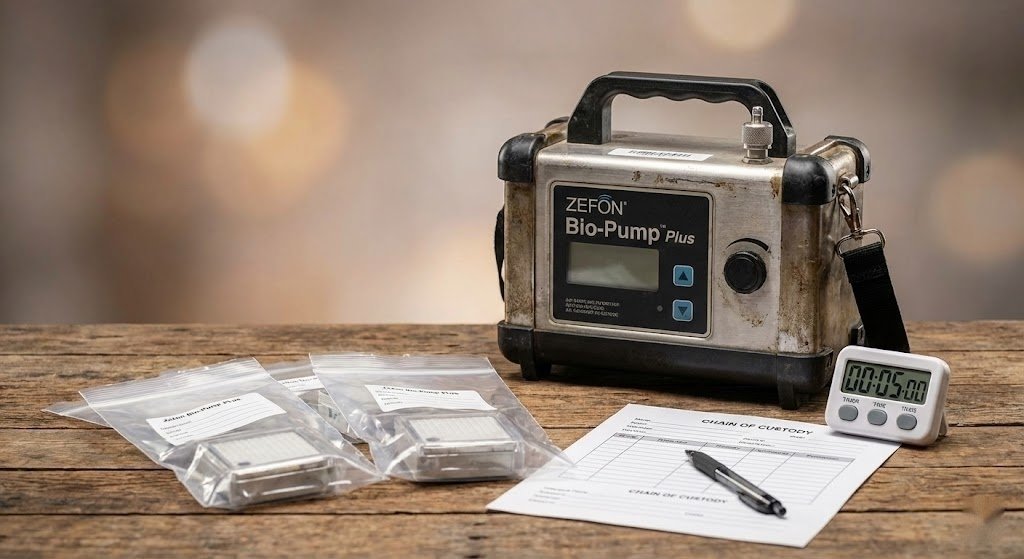
Professional mold inspection uses specialized tools to detect hidden moisture and likely mold growth that eyes alone can’t see. We commonly use moisture meters to measure moisture levels inside drywall and wood, infrared thermal imaging cameras to detect temperature differences that indicate hidden wet areas, hygrometers to measure humidity, and borescopes to look into tight spaces such as wall cavities or under cabinets. In some cases, we may recommend air sampling pumps or surface swab/tape tests sent to a lab to analyze spore levels and types. These tools matter because mold often hides behind intact paint or inside framing, and relying on visible signs alone can create a dangerous false sense of security. When we inspect homes in Nob Hill, Sandia Heights, or North Albuquerque Acres, these devices let us identify areas at risk before structural damage becomes obvious. If you want an inspection powered by real diagnostic tools instead of guesswork, call 505-359-5669 to schedule.
Step-by-step mold inspection process with Mold Removal Albuquerque
Professional mold inspection follows a clear, structured process to identify mold, map moisture, and explain what needs to happen next. At Mold Removal Albuquerque, we combine interview questions, visual checks, moisture measurements, and advanced imaging to build a complete picture of your situation. This matters because a checklist-driven approach reduces the chance of missing hidden problem spots and gives you a detailed report you can use for decisions about mold remediation, real estate, or rental responsibilities. From condos in Downtown to larger homes in Paradise Hills, our process keeps you informed at every stage. If you want a transparent, step-by-step inspection, call 505-359-5669 to book a visit.
Client interview and history review
Mold inspection starts by listening to your concerns and reviewing the property’s history. We ask where you’ve noticed odors, staining, or health issues, and we discuss any past leaks, roof repairs, plumbing failures, or flooding events. This conversation matters because your daily experience and memories of previous issues guide us directly to likely problem areas and moisture paths. Gathering this background helps us prioritize rooms, identify patterns (such as symptoms improving when you leave the building), and understand how Albuquerque’s climate and your building systems interact.
Interior and exterior visual inspection
Mold inspection continues with a detailed visual walk-through inside and outside your property. We inspect siding, roofing transitions, windows, and foundation areas outdoors, then move inside to check walls, ceilings, baseboards, bathrooms, kitchens, basements, and crawl spaces. This step matters because many mold issues start with exterior details—like flashing, stucco cracks, or improper drainage—before they show up as stains indoors. By pairing exterior clues with interior evidence, we can often trace mold-prone areas back to specific defects.
Moisture mapping and humidity analysis
Moisture mapping shifts from visual clues to quantitative measurement using moisture meters and hygrometers. We systematically test walls, ceilings, flooring, and suspect areas to map where moisture levels are elevated compared to surrounding materials. This matters because materials can feel dry to the touch but still hold enough moisture inside to support mold growth, especially in drywall and subflooring. Humidity readings help us assess overall moisture levels in the air, which impact how easily mold spores settle and grow.
Thermal imaging to detect hidden issues
Mold inspection often includes thermal imaging to detect temperature differences that point to hidden moisture or insulation gaps. Using an infrared camera, we scan walls, ceilings, and sometimes floors to spot “cold spots” that may indicate wet insulation or water pooling behind surfaces. This matters because water changes the thermal signature of building materials, and those subtle changes can reveal problems long before paint bubbles or drywall softens.
HVAC, attic, crawl space, and basement checks
Mold inspection also evaluates “out of sight” areas where mold commonly hides, such as HVAC components, attics, crawl spaces, and basements. We visually inspect accessible ducts, air handlers, and returns for signs of dust, moisture, or growth, and we check attics and crawl spaces for leaks, condensation, and insulation issues. This matters because mold or moisture in these zones can affect air quality throughout the property and may not be obvious from main living areas.
Optional air and surface sampling
Mold inspection can include optional mold testing, such as air sampling or surface swab/tape tests, when lab data will be helpful for health, documentation, or dispute resolution. When appropriate, we use air pumps to collect air samples inside and sometimes outside the property, and we gather surface samples from specific suspect areas for lab analysis. This matters because lab results can quantify spore levels, identify mold types, and help guide decisions for sensitive occupants or complex cases.
Findings, photos, and recommendations
Mold inspection concludes with a clear explanation of findings, photos of key areas, and specific recommendations for next steps. We review where moisture is present, where mold growth is confirmed or strongly suspected, and which building components or systems need further action. This final step matters because data without interpretation doesn’t help you decide what to do, and you need a prioritized plan that fits your budget and risk tolerance. In homes throughout Old Town, Uptown, and Ventana Ranch, a clear report helps owners decide whether to pursue targeted repairs, full mold remediation, or ongoing monitoring. If you want results you can actually use—not just a vague “yes or no”—call 505-359-5669 to schedule your mold inspection.
Mold inspection vs. mold testing: what’s the difference?
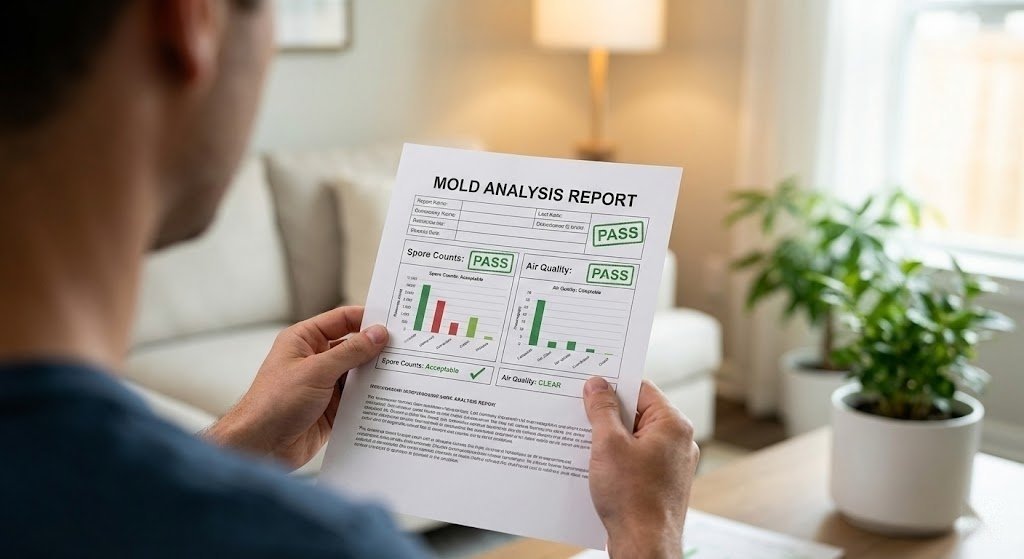
Mold inspection and mold testing are related but different services that answer different questions about your property. Mold inspection focuses on where moisture and mold are and what conditions allow them to grow, using visual checks, moisture mapping, and tools like thermal imaging. Mold testing, by contrast, focuses on what kinds of spores are present and sometimes how many are in the air or on surfaces, using lab analysis of samples. This distinction matters because many Albuquerque homeowners are sold testing when what they truly need first is a thorough inspection to identify leaks, humidity problems, or obvious growth. Testing can be useful for sensitive occupants, legal documentation, or clearance after remediation, but it is not always required to decide whether to fix a moisture problem. For example, a home in Taylor Ranch with visible mold and clear moisture sources benefited more from inspection and remediation than from additional testing. If you’re unsure which service you need, call 505-359-5669 and we’ll recommend an approach that fits your goals.
Residential vs commercial mold inspection in Albuquerque
Residential and commercial mold inspections share core principles but differ in scope, documentation needs, and urgency. In homes and apartments across Nob Hill, Mesa Del Sol, and Sandia Heights, we focus on family health, comfort, and property value, often concentrating on bathrooms, kitchens, basements, and bedrooms. In commercial settings—offices, retail spaces, restaurants, schools, and clinics in areas like Downtown, Uptown, and Paradise Hills—inspections must also consider employee safety, customer perception, regulatory expectations, and sometimes more complex HVAC systems. These differences matter because commercial inspections may require after-hours visits, more extensive photo documentation, and coordination with property managers or multiple stakeholders. For instance, a small café near Old Town might need inspection focused on kitchen ventilation and customer seating, while an office building in Uptown may need multiple floors, mechanical rooms, and common areas evaluated. Whether your property is a single-family home or a multi-tenant commercial building, call 505-359-5669 to schedule a mold inspection that fits your needs.
Mold inspection across Albuquerque neighborhoods
Mold inspection in Albuquerque must account for different building ages, designs, and moisture patterns in each neighborhood. Older homes near Old Town and Downtown often have aging plumbing, older roofs, and original windows that make them more prone to slow leaks and hidden mold in walls and ceilings. Newer developments in Mesa Del Sol and Ventana Ranch may have tighter construction and energy-efficient windows that can trap humidity when ventilation is inadequate. In hillside communities like Sandia Heights and North Albuquerque Acres, complex rooflines and view windows demand careful inspection around flashing and seals to catch small leaks early. These patterns matter because knowing local building styles and climate quirks helps us predict common mold risk zones—from crawl spaces in the South Valley to flat roof transitions in Uptown. If you want an inspector who understands Albuquerque’s neighborhoods and typical leak patterns, call 505-359-5669 and book your inspection.
Serving homeowners and businesses across the Albuquerque area, from Old Town and Downtown to Sandia Heights, Ventana Ranch, and Mesa Del Sol, with detailed mold inspection and moisture assessment.
Prevention insights you gain after a mold inspection
Mold inspection not only identifies current issues; it also gives you clear prevention strategies tailored to your property. After we inspect, we explain how to reduce future mold risk with better ventilation, leak repairs, humidity control, and maintenance routines specific to your home or business. This matters because many mold problems in Albuquerque are preventable with small changes—like using bath fans longer after showers, adjusting swamp cooler use, or sealing known leak points before monsoon season. The prevention insights you receive become a maintenance roadmap for areas like bathrooms, basements, crawl spaces, and around HVAC equipment in neighborhoods from Paradise Hills to the South Valley. For example, a Four Hills Village homeowner who installed a proper bathroom fan and sealed a roof penetration dramatically reduced humidity and avoided repeat mold issues. If you’d like actionable prevention advice, call 505-359-5669 and schedule your mold inspection.
Why choose Mold Removal Albuquerque for mold inspection
Mold Removal Albuquerque offers mold inspection grounded in experience, advanced tools, and local knowledge. Our inspectors use industry-standard equipment such as moisture meters, thermal imaging cameras, hygrometers, and borescopes, and our procedures align with principles used in the IICRC S520 standard and EPA mold guidance. This combination matters because accurate inspection requires both technology and understanding of how Albuquerque’s dry climate, monsoon storms, and swamp coolers interact with local building styles. You benefit from clear communication, detailed findings, and practical next steps instead of vague warnings or generic advice. For instance, we help homeowners in Nob Hill understand how a small stucco crack can lead to hidden wall moisture, and we show businesses in Uptown where HVAC and humidity contribute to ongoing complaints. If you want a trustworthy local team to inspect your property, call 505-359-5669 today.
FAQs about mold inspection in Albuquerque
A mold inspection includes an interview, interior and exterior visual checks, moisture mapping with meters, humidity readings, and, when needed, thermal imaging and inspection of attics, crawl spaces, and HVAC areas. Optional testing can be added for lab analysis.
Professionals use moisture meters, thermal imaging, and targeted access points to find damp building materials behind walls, ceilings, and floors. Visual clues, building knowledge, and occupant reports all guide where tools are used to detect hidden issues.
Many situations only require an inspection to identify moisture sources and visible growth. Testing becomes more useful when lab data is needed for sensitive health concerns, legal documentation, or clearance after remediation. We’ll suggest testing only when it adds value.
Most residential inspections take about 1–2 hours, depending on property size and the number of problem areas. Larger homes or commercial buildings in areas like Uptown or Downtown may take longer due to additional zones and mechanical spaces.
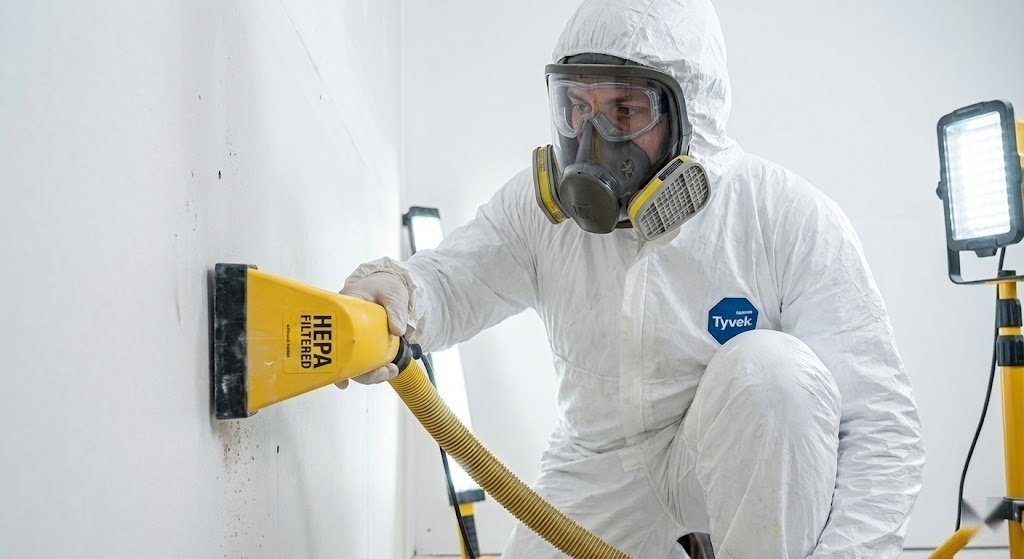
Yes. Mold inspection is primarily a visual and measurement-based service. When heavy contamination is present, inspectors may use PPE and take care not to disturb materials unnecessarily. We focus on keeping you safe while gathering accurate information.
Some insurance policies may cover inspection related to a recent, covered water event, but many consider inspection a maintenance or diagnostic expense. We provide detailed invoices and documentation so you can discuss potential coverage with your insurer.
Our experience, safety practices, and professional standards
Mold Removal Albuquerque brings years of experience inspecting homes, rentals, and commercial spaces throughout the Albuquerque area. Our approach respects industry guidance from organizations such as the IICRC and EPA, and we apply OSHA-conscious awareness when entering areas with known contamination. We use PPE when needed, avoid unnecessary disturbance in heavily affected areas, and rely on tools like moisture meters and thermal imaging instead of invasive cuts whenever possible. This matters because inspection is the foundation for safe and effective remediation, and a careful, standards-aware process reduces risk for everyone involved. From Old Town adobe structures to modern homes in Mesa Del Sol, we adapt our methods to building age and style to protect your property while gathering accurate data. If you want inspection handled with both expertise and caution, call 505-359-5669.
How clients benefit from a professional mold inspection
Clients across Albuquerque consistently report greater peace of mind and clearer decision-making after a professional mold inspection. Some discover that suspected “major mold problems” are actually small, localized issues with simple fixes, while others learn the full extent of hidden moisture and can plan remediation confidently. This clarity matters because it helps you avoid both under-reacting to serious issues and over-spending on problems that are smaller than they appear. A landlord in Downtown, for example, used our inspection report to coordinate targeted repairs and remediation in one unit instead of guessing and opening walls throughout the building. If you want solid information instead of stress and speculation, call Mold Removal Albuquerque at 505-359-5669.
Mold inspection case study in Albuquerque
A family in Sandia Heights noticed musty odors in their upstairs hallway after monsoon season. Our inspection used moisture mapping and thermal imaging to find a hidden roof leak wetting insulation and drywall. We documented the affected area, recommended remediation and roof repair, and they eliminated odors and future risk—call 505-359-5669 for similar help.
Related services and helpful resources on this site
Mold inspection often leads into other services and resources that help you fully protect your property. Once you know where mold and moisture are, you can plan the right combination of remediation, repairs, and prevention. This matters because inspection alone doesn’t fix the problem; it shows you how to fix it smartly. For example, a property owner in the South Valley might move from inspection to mold remediation and then to improved ventilation and maintenance based on our findings. On this site, look for internal links such as:
- Mold remediation services for full cleanup and moisture correction
- Mold removal services for targeted cleanup projects
- Black mold removal services when toxic mold is suspected
- Emergency mold removal and water damage services after sudden leaks or floods
- Moisture control and prevention articles on the blog for ongoing education
- Offers or specials pages to see current savings on inspections or bundled services
- Contact page to request inspections, quotes, or follow-up service
After reviewing these resources, return to this Mold Inspection page and call 505-359-5669 when you’re ready to schedule an appointment.
Ready to schedule a mold inspection in the Albuquerque area?
If you’re noticing musty odors, unexplained spots, recent leaks, or indoor health symptoms, now is the right time to inspect before problems get worse. Mold Removal Albuquerque is ready to inspect your home or business, measure moisture, scan for hidden issues, and explain your options clearly. Acting now matters because mold can start growing within days of a water event, and early detection usually means less demolition, lower costs, and fewer health concerns. By working with a local team that understands Albuquerque neighborhoods, monsoon patterns, and building styles, you get more than a checklist—you get a plan. Don’t guess about mold in your property—call 505-359-5669 or use our contact page today to schedule your professional mold inspection.