Manufacturing Facility Mold Remediation in Albuquerque, NM
Finding mold inside a manufacturing plant can instantly put product quality, equipment reliability, and worker safety at risk. Mold spreads quickly through humid process areas, cold rooms, and overhead structures while most teams stay focused on hitting production targets. Mold Removal Albuquerque provides professional manufacturing facility mold remediation for plants across the Albuquerque area. We eliminate mold using OSHA-aware, IICRC-informed procedures designed to protect workers, safeguard products, and keep your lines running whenever it is safe to do so.
Call 505-359-5669 now or use the contact page to schedule an industrial mold assessment.
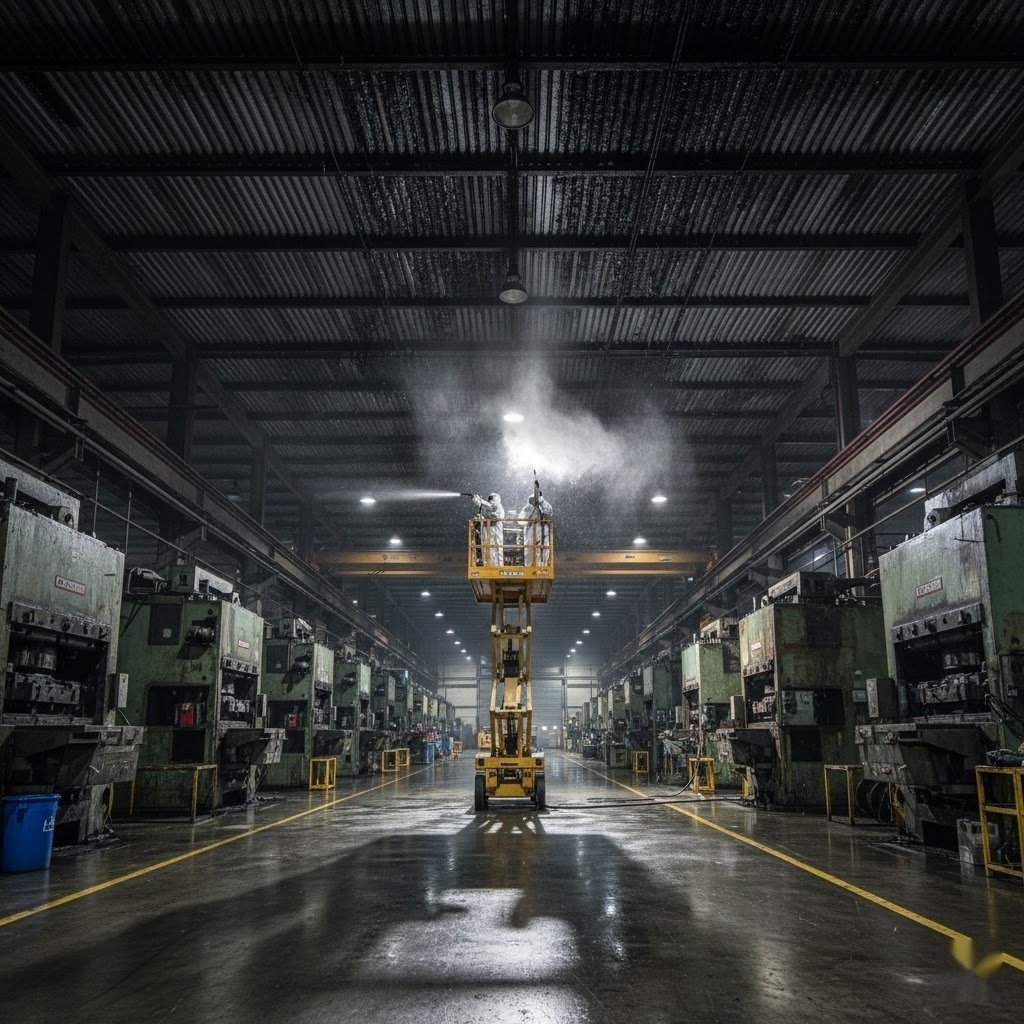
How much does Manufacturing Facility Mold Remediation cost in Albuquerque?
Manufacturing facility mold remediation in Albuquerque typically ranges from $5,000–$25,000 for localized issues in locker rooms or offices and $25,000–$150,000+ for production-floor, roof-deck, or HVAC-wide contamination. Costs depend on square footage, line complexity, ceiling height, QA requirements, and scheduling in areas like Mesa Del Sol, South Valley, and Northwest Heights. A site-specific inspection is required for exact pricing.
Why Manufacturing Facility Mold Remediation Is So Serious
Manufacturing facility mold remediation protects your plant by removing active mold colonies and stopping moisture-driven regrowth that threatens products, equipment, and structures. In industrial environments, mold doesn’t just stain walls; it can land on production lines, packaging areas, and raw materials, especially where dust and moisture combine on structural steel or insulated piping. This matters because even a small mold event can prompt QA holds, customer complaints, or product recalls. A plant near South Valley, for example, discovered mold on overhead ceiling panels above a packaging line and faced a potential run-write-off until remediation was completed. If you want to protect both your output and your reputation, call 505-359-5669 for a facility inspection.
Manufacturing mold remediation also protects worker health and compliance with OSHA and EHS expectations. Mold spores and fragments can aggravate allergies, respiratory issues, and asthma, especially when combined with normal industrial dust, fumes, or chemicals. When mold colonizes HVAC systems, cold rooms, or process-adjacent spaces, indoor air quality quickly declines across the plant. This matters because EHS officers and industrial hygienists must demonstrate that they are controlling environmental risks, not ignoring them. We’ve seen facilities near Northeast Heights and International District cut absenteeism and complaints after removing mold from locker rooms, mechanical rooms, and process-adjacent corridors. If your EHS team is fielding recurring air-quality concerns, schedule a professional mold assessment now.
Finally, manufacturing facility mold remediation protects production continuity and regulatory standing. Many Albuquerque plants operate under GMP-style expectations, internal QA programs, or third-party audits where environmental controls are closely reviewed. Mold on walls, ceilings, or equipment can be cited during inspections, threatening certifications or key customer contracts. This matters because unplanned shutdowns and failed audits are often more expensive than the remediation itself. In one production facility near Mesa Del Sol, proactive remediation of mold from a roof leak above a non-critical staging area helped them pass a major customer audit without interruption. If you want to stay audit-ready and avoid disruptive emergencies, call 505-359-5669 before mold becomes a crisis.
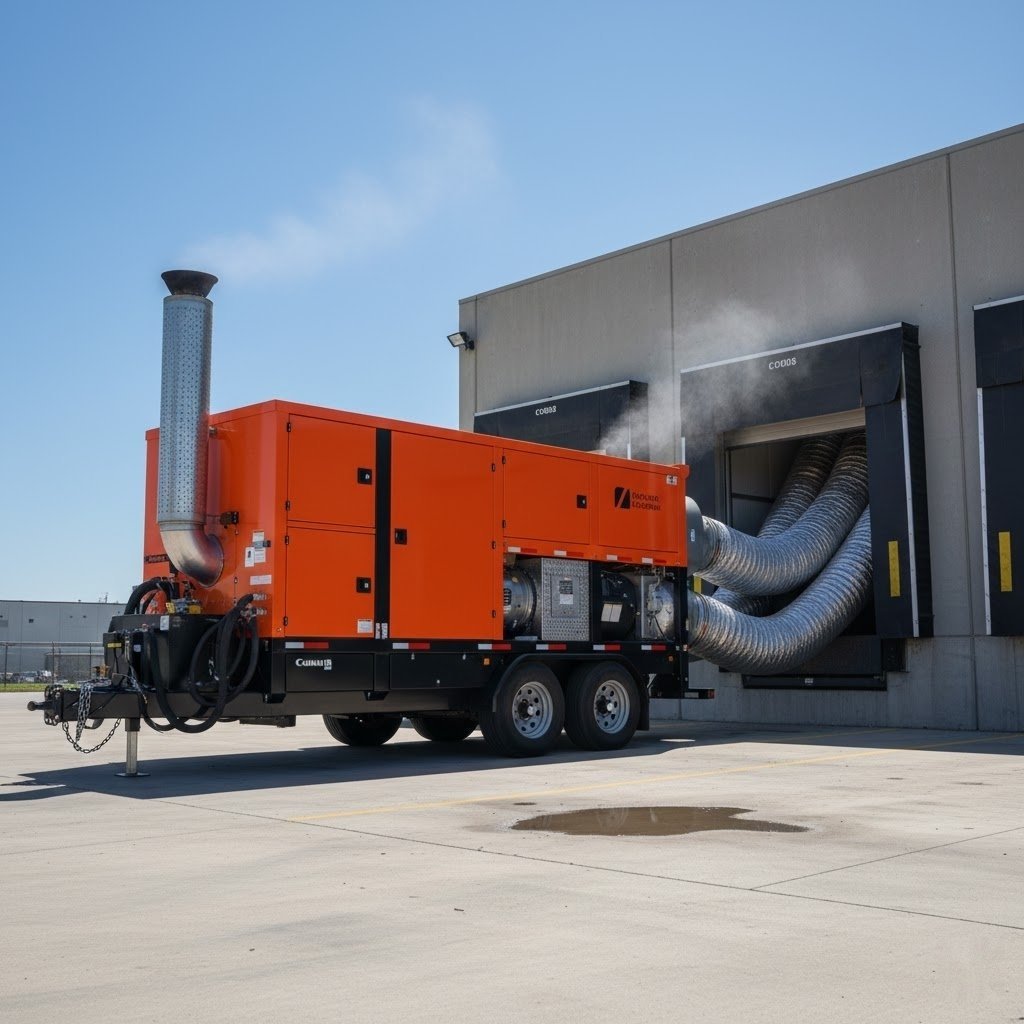
Common Causes of Mold in Albuquerque Manufacturing Facilities
Mold develops when moisture reaches porous surfaces or dusty substrates such as insulation, drywall, cardboard, and even painted metal, and manufacturing plants provide many sources of that moisture. Roof leaks over large production floors are a frequent culprit, especially on flat or low-slope roofs in industrial corridors near Downtown, South Broadway, and Westgate. Monsoon-season storms can drive water into seams, flashing, and penetrations above sensitive areas like assembly lines and packaging zones. This matters because even slow, intermittent leaks can saturate insulation, roof decking, and structural steel, creating hidden mold reservoirs that shed spores onto processes below. If you’ve seen ceiling stains or rust streaks over your lines, call 505-359-5669 for a roof-leak mold inspection.
Process-related moisture is another major driver of mold in factories. Cooling lines that sweat, steam processes, washdown stations, and high-humidity production rooms all create condensation on piping, equipment, and ceilings. In some older facilities near Southwest Mesa and the International District, swamp coolers and outdated ventilation exacerbate these humidity spikes. This matters because repeated condensation feeds mold on insulated lines, ceiling tiles, and overhead beams—the zones most likely to drop spores onto products. One plant near North Albuquerque Acres discovered mold above a cold-room doorway where warm, moist air repeatedly collided with cold surfaces. If your facility has visible condensation on pipes, ducts, or ceilings, schedule moisture mapping before mold becomes visible.
Drainage, HVAC, and building envelope issues also contribute significantly. Floor drains that back up, sloped slabs that collect water, poorly sealed dock doors, and HVAC condensate that doesn’t drain correctly can keep floors and lower walls damp. In facilities from Paradise Hills to Taylor Ranch, we’ve seen mold on block walls and behind equipment where washdown water repeatedly pooled without thorough drying. This matters because these “background” moisture problems often go unnoticed while teams are focused on the line itself, yet they quietly seed mold into the environment. If your maintenance crew fights recurring damp spots or backed-up drains, call 505-359-5669 for a facility-wide moisture audit.
Temperature-controlled rooms—such as cold rooms, humidity-controlled zones, and some clean production spaces—are particularly vulnerable. Warm, moist air from surrounding areas can infiltrate, condense on cold panels, doors, and evaporator housings, and feed mold growth in seams and corners. In plants near Uptown and Southeast Heights, cold rooms with compromised gaskets and door sweeps became chronic mold hotspots that risked product contamination. This matters because cold rooms are often where high-value or sensitive products are handled or stored, amplifying the risk of QA issues. If you’ve noticed discoloration or recurring frost-and-mold patterns in cold rooms, it’s time for a targeted inspection.
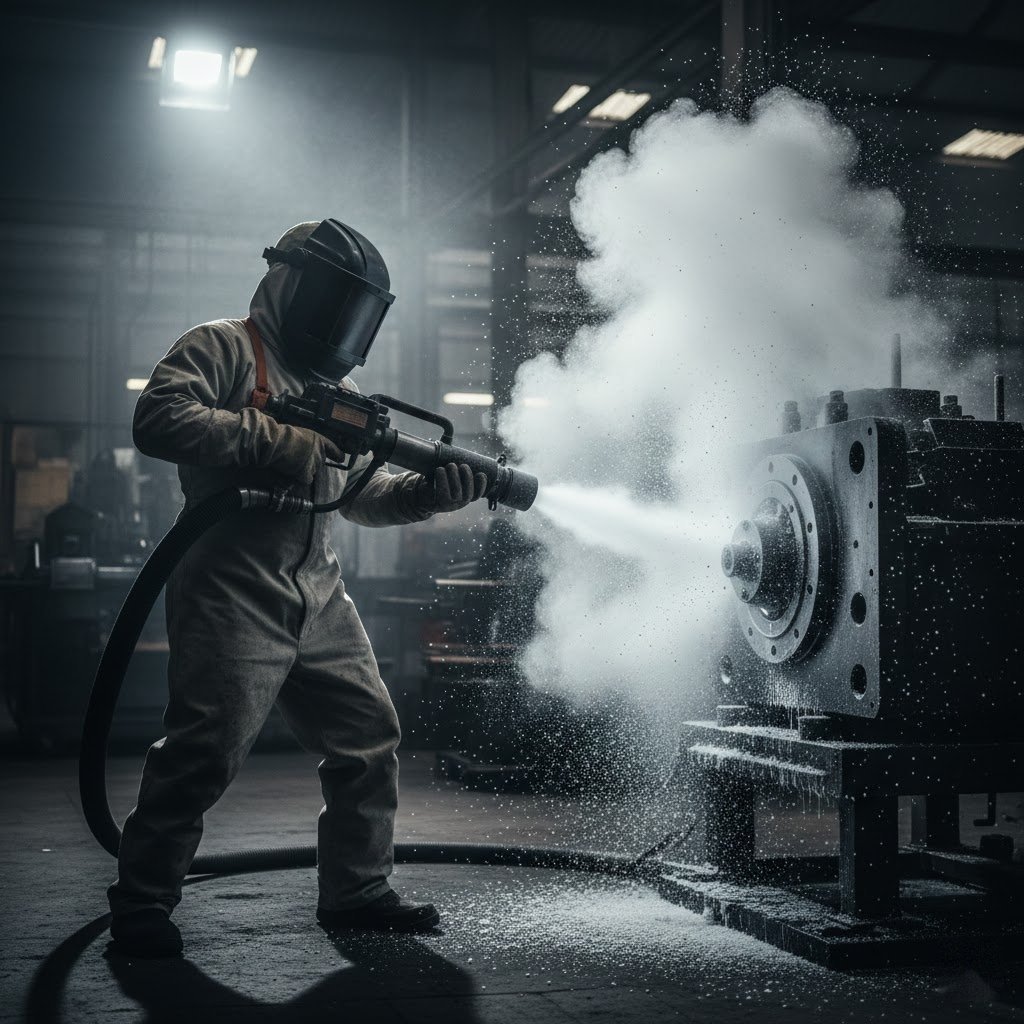
Warning Signs of Mold in Factories and Plants
Most manufacturing mold problems reveal themselves through visible growth, odors, or health complaints before they cause serious structural damage, and catching these early helps protect your lines. A musty or earthy odor on the production floor, in locker rooms, or near mechanical spaces is often the first warning. This matters because odor indicates microbial activity even if visible growth isn’t yet obvious. In one plant near Downtown, staff kept describing a “wet cardboard” smell near the packaging area; inspection revealed mold on overhead insulation above an old roof leak. If your facility smells damp or stale despite routine housekeeping, call 505-359-5669 for an industrial mold inspection.
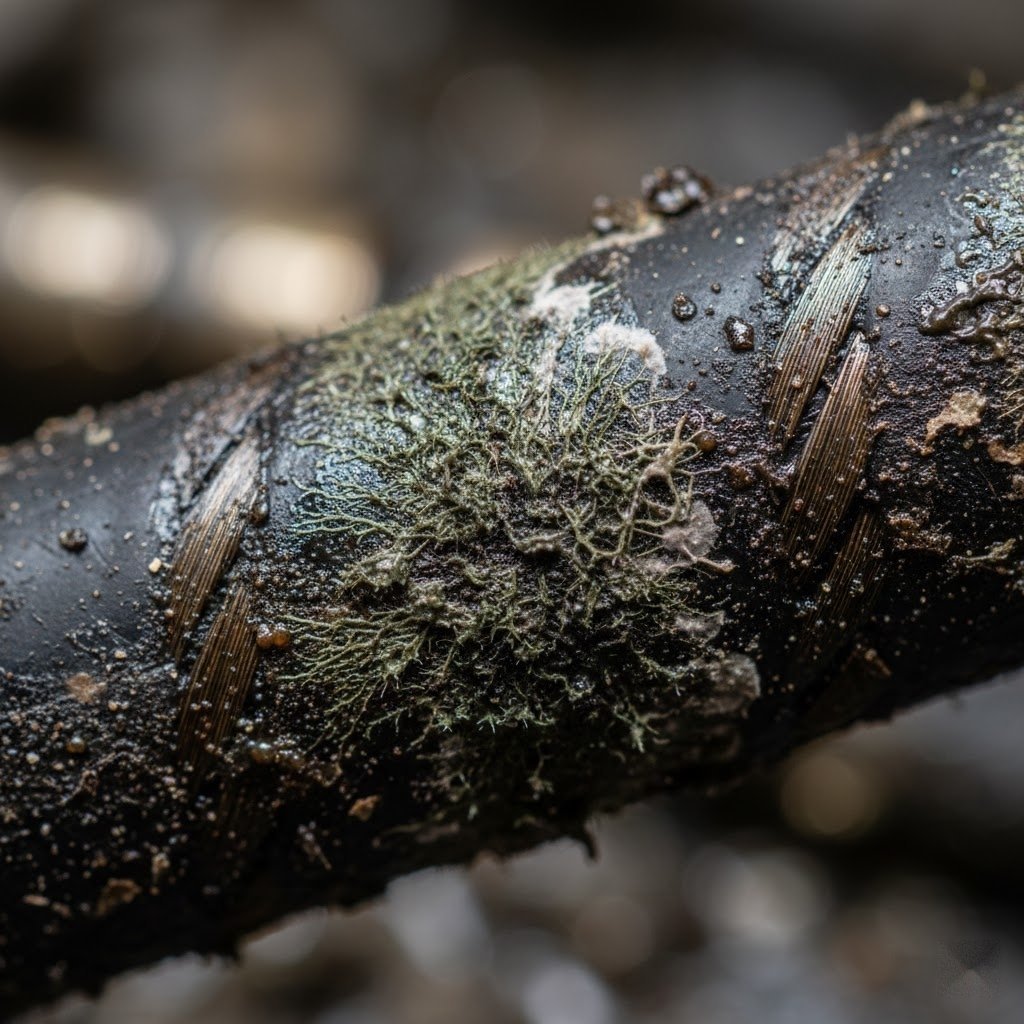
Visible mold on ceilings, walls, equipment, or cold-room panels is a more direct signal. Look for dark or discolored spots on painted block, fuzzy growth on insulation, staining around air vents, or streaks across structural steel. Mold may also appear on stored materials, pallets, and packaging in adjacent storage zones. This matters because visible colonization often represents just the tip of a larger moisture and contamination pattern. A facility in the South Valley, for example, saw superficial mold spots on a few equipment guards, but we found a continuous mold field hidden on roof decking over the line. If anyone on your team has spotted mold anywhere inside the plant, schedule a full assessment immediately.
Employee symptoms and condensation patterns are another set of clues. Frequent coughing, throat irritation, or headaches among operators and maintenance staff that improve when they leave the building may indicate indoor air quality issues. Condensation on chilled pipes, HVAC ductwork, and inside cold rooms, along with persistent dampness around drains or trenches, also signals humidity imbalance and moisture problems. This matters because these environmental conditions can degrade both worker comfort and product integrity, and EHS officers are expected to respond. In a facility in Northwest Heights, mold growth around locker-room vents corresponded directly with increased allergy complaints on certain shifts. If your EHS or HR teams hear repeating patterns in worker complaints, call 505-359-5669 to investigate before regulators do.
Our Industrial Mold Remediation Process for Manufacturing Facilities
Professional manufacturing facility mold remediation follows a strict, industrial-strength process to contain, remove, and prevent mold while aligning with OSHA, EHS, and QA expectations. This matters because factories combine sensitive equipment, complex workflows, and regulatory oversight, so remediation must be both technically correct and operationally intelligent. Mold Removal Albuquerque uses HEPA vacuums, industrial dehumidifiers, negative air machines with HEPA filtration, and moisture-mapping tools guided by IICRC-informed principles to restore control of your environment.
Industrial Facility Assessment & Mapping
We begin by inspecting the entire manufacturing facility with plant management, maintenance, and EHS teams. Our specialists walk production floors, assembly lines, processing rooms, packaging zones, storage areas, mechanical rooms, offices, locker rooms, and restrooms, documenting visible mold, staining, and water damage. Moisture meters and related tools map dampness in walls, ceilings, cold-room panels, slab edges, and roof decking. HVAC units, ductwork, and condensate lines are evaluated for microbial growth and drainage issues. This matters because mold in one area—like a cold room—often stems from broader building or process conditions. A plant near Westgate, for instance, had a cold-room problem that traced back to roof infiltration and misdirected condensate lines above. If you want to know exactly where mold is and why it’s there, call 505-359-5669 for a full facility assessment.
OSHA-Aware Containment & Safety Planning
After mapping, we design containment and safety zones in coordination with EHS and operations. Using heavy-duty poly barriers, zipper doors, and negative-air machines with HEPA filtration, we isolate affected areas to prevent spores from drifting onto active lines or clean areas. We define clear worker safety zones with signage, PPE requirements, and traffic routes for forklifts and maintenance. Whenever possible, we sequence work around production schedules, focusing on off-shifts, weekends, or planned idle periods. This matters because shutting down an entire plant is rarely acceptable, yet cross-contamination risk must be controlled. In one facility near Mesa Del Sol, we remediated mold over a non-critical staging zone at night and during scheduled maintenance windows, allowing primary lines to keep running safely. If you must keep production moving while solving mold, call 505-359-5669 to plan containment that supports continuity.
Industrial Mold Removal on Surfaces and Structures
With containment in place, we remove mold from surfaces, structures, and—when appropriate—equipment exteriors. We start with HEPA vacuuming to capture settled spores and debris from floors, overhead framing, pipes, and accessible machine housings. Then we clean affected surfaces with suitable antimicrobial solutions, paying special attention to walls, ceiling areas, cold-room seams, drain surrounds, and locker-room finishes. In office pods or mezzanine spaces, we may remove and replace mold-contaminated drywall, insulation, and ceiling tiles. This matters because thorough source removal significantly reduces ongoing contamination, rather than just masking odor. At a plant near Southeast Heights, cleaning overhead steel and replacing moldy insulation eliminated recurring musty smells in days. If you want comprehensive, not cosmetic, mold removal, schedule our industrial remediation team.
Production & Inventory Protection
Manufacturing facility mold remediation must prioritize product and material integrity. We work with QA/QC and production leadership to identify any zones where mold could have contacted raw materials, WIP, or finished goods. We recommend segregation, inspection, cleaning, or disposal protocols based on contamination severity and your internal standards. In some cases, we suggest temporarily wrapping or shielding idle equipment and materials during remediation with clean poly to prevent incidental exposure. This matters because protecting your product is just as important as protecting your building. A food-related manufacturer near South Valley preserved most of their raw stock by quickly isolating only the lots closest to the leak and documenting them for QA review. If protecting product quality is non-negotiable, call 505-359-5669 for a remediation plan that respects your QA requirements.
Moisture Source Correction
Without moisture correction, mold will eventually return. After removing contamination, we address the conditions that allowed it to grow. Depending on findings, we may coordinate or recommend roof repairs, insulation upgrades, drain-line fixes, floor drainage improvements, and HVAC condensate management. In high-humidity rooms, we may recommend ventilation changes, process-hood modifications, or additional dehumidification. This matters because repeated condensation, roof leaks, or drainage failures expose you to repeat incidents and mounting costs. At a facility near North Albuquerque Acres, redirecting condensate lines and improving exhaust in a washdown area prevented the ceiling and walls from returning to mold-prone conditions. If you’re tired of cleaning the same spots over and over, moisture source correction is the missing piece—call us to help.
Industrial-Grade Restoration & Finishing
Once mold removal and moisture fixes are complete, we restore affected materials to industrial standards. This can include replacing drywall, insulation, and ceiling tiles in offices or lab areas; cleaning or refinishing epoxy and concrete floors; and applying mold-resistant coatings to high-risk walls and ceilings in processing zones, locker rooms, and washdown areas. We coordinate with plant managers to minimize disruption and align restoration with any planned upgrades or shutdown windows. This matters because employees and inspectors need to see a clean, well-maintained environment, not a patchwork of temporary fixes. A plant near Northwest Heights combined our restoration with planned lighting upgrades, improving both visibility and cleanliness perception on the production floor. If you want your facility to look as reliable as it performs, call 505-359-5669 to discuss restoration options.
Final Verification & Documentation
At project completion, we verify that previously wet materials are dry, visible mold is removed, and containment has been safely demobilized. We provide moisture readings and visual findings, and we can coordinate air quality testing when required by your QA, corporate, or regulatory expectations. You’ll receive documentation summarizing the issue, remediation steps, moisture corrections, and recommendations for ongoing prevention—organized for plant management, EHS, QA/QC, and insurers. This matters because audits, claims, and internal reviews all rely on clear, defensible records. If you need evidence-ready documentation for corporate or regulatory stakeholders, ask about our reporting package during your initial site walk.
Types of Mold Found in Manufacturing Facilities
Manufacturing facility mold remediation must address a range of mold types, not just “black mold,” because different species thrive in different zones. Allergenic molds like Aspergillus and Penicillium commonly grow on dusty surfaces, insulated pipes, and cold-room panels where condensation is frequent. This matters because these molds can significantly affect indoor air quality for operators and maintenance staff, even when growth appears subtle. If your team has recurring allergy complaints on certain lines or shifts, call 505-359-5669 for targeted testing and remediation.
More moisture-dependent molds, including Stachybotrys chartarum (often called black mold), may appear where chronic leaks or saturation have occurred—such as under roof leaks, behind wall panels, or around long-term plumbing issues. These colonies can be dense and slimy, and they indicate serious moisture imbalance and material damage. This matters because such areas typically require not just cleaning, but full removal and replacement of affected materials. In a facility near Southeast Heights, removing wet gypsum and insulation behind a process-wall stopped repeated black mold staining near a line. If you’ve seen dark, stubborn patches that keep returning, schedule a deep investigation instead of another quick wipe-down.
Even seemingly minor surface growth on painted concrete or metal can represent wider environmental problems. Manufacturing plants often carry high dust loads and organic residues from products, packaging, or lubricants; once moisture levels rise, many species can bloom. This matters because focusing only on visible spots without correcting humidity, leaks, and dust control leaves the door open for regrowth. If your goal is long-term control rather than constant firefighting, call 505-359-5669 to build a complete remediation and prevention plan.
Residential vs Commercial vs Industrial Mold Projects
Manufacturing facility mold remediation is very different from residential and standard commercial work in terms of risks, requirements, equipment, process, documentation, and speed. Homes typically involve smaller square footage, lower ceilings, and fewer stakeholders. Offices and retail spaces, while larger, still lack the complex machinery, process-driven moisture, and QA-controlled environments seen in plants across Albuquerque—from Downtown shops to facilities near Mesa Del Sol. This matters because an approach designed for a house or small office will not protect production lines, regulatory standing, or worker safety in an industrial setting. If you operate a factory, you need a partner built for industrial scale—call 505-359-5669, not a purely residential contractor.
Industrial facilities also require different documentation and scheduling practices. Instead of simply issuing a “job complete” note, industrial mold work often demands reports for EHS, QA/QC, corporate risk, and insurers. Production schedules, shutdown windows, and batch timelines drive when and where work can occur. Equipment needs scale up as well: more HEPA negative-air units, larger dehumidifiers, and aerial lifts to reach roof beams and ductwork. This matters because your remediation partner must integrate with your plant’s operational reality rather than interrupt it. If you need OSHA-aware work, coordinated with shift schedules and audit calendars, Mold Removal Albuquerque aligns remediation with your industrial priorities.
Preventing Mold in Manufacturing Facilities
Effective ventilation, dehumidification, and air-balancing are some of the strongest defenses against mold prevention in manufacturing environments. Ensuring HVAC systems are properly sized, filters are maintained, outside-air dampers are set correctly, and humidity levels are controlled prevents condensation on ceilings, cold surfaces, and equipment. This matters because Albuquerque’s hot days and cool nights can create large temperature differentials in plants from South Valley to Northeast Heights, driving condensation inside. If you’re unsure whether your plant’s humidity and airflow are under control, call 505-359-5669 to discuss an environmental performance review.
Drainage and washdown practices also play a major role. Keeping floor drains clear, slope-corrected, and functional prevents standing water around equipment legs, trenches, and low spots. Training crews to remove excess water after washdowns and using air movers or dehumidifiers in chronically damp zones helps materials dry quickly. This matters because persistent dampness on slabs and around drains often seeds mold on nearby walls, equipment bases, and stored materials. Facilities near Westgate and Paradise Hills have cut mold incidents simply by pairing routine drain maintenance with improved post-washdown drying. If you see water standing long after cleaning, it’s time to adjust procedures before mold takes hold.
Roof and building-envelope maintenance remain foundational. Regular inspections of flat roofs, flashing, skylights, and penetrations help prevent leaks over production lines and storage areas. Sealing dock doors, windows, and service entries against wind-driven rain keeps stormwater out of the building. This matters because a well-managed building envelope stops many mold problems before they start. If your plant roof is aging or your docks show water trails after monsoon storms, call 505-359-5669 for a pre-emptive moisture and mold evaluation.
Why Choose Mold Removal Albuquerque for Manufacturing Facility Mold Remediation
Mold Removal Albuquerque combines industrial experience, advanced equipment, and local knowledge to remediate mold in manufacturing facilities across the metro area. Our teams are comfortable working around production lines, process piping, cold rooms, compressed-air systems, and large HVAC units while wearing proper PPE and respecting OSHA and EHS requirements. This matters because an industrial plant is a complex, high-stakes environment—not a practice ground. If you want technicians who understand lockout/tagout zones, traffic safety, and plant protocols, call 505-359-5669.
We coordinate closely with plant managers, EHS officers, maintenance, and QA/QC teams to align remediation with your production and audit schedules. From multi-shift manufacturing near Mesa Del Sol to specialized plants in the South Valley or Northwest Heights, we structure containment and work sequences to minimize disruption. This matters because your facility must keep commitments to customers and corporate leadership while we handle environmental risk. If you need a partner who thinks in shifts, line priorities, and QA windows, Mold Removal Albuquerque is ready to help.
Our industrial toolkit includes HEPA vacuums, negative air machines, dehumidifiers, moisture meters, borescopes, and access equipment for high work, guided by IICRC S520 concepts, EPA mold guidance principles, and OSHA-aware safety practices. We provide clear, concise documentation tailored for management, EHS, QA, and insurers so you can demonstrate due diligence. This matters because mold remediation is not just a cleanup; it’s a risk-management event with lasting implications. If you want both technical quality and documentation that stands up to scrutiny, call 505-359-5669 today.
Local Focus: Serving Manufacturing Plants Across Albuquerque
We remediate mold in manufacturing facilities throughout the Albuquerque area, from production corridors near Downtown and South Broadway to industrial sites in Mesa Del Sol, South Valley, and Westgate. Many plants in these areas rely on flat roofs, older HVAC systems, and mixed-use buildings that combine offices, production floors, and warehouse wings. Albuquerque’s monsoon storms, dust levels, and daily temperature swings add unique moisture and air-quality challenges that we understand well.
Facilities in Northeast Heights, Uptown, and North Albuquerque Acres may house more specialized or tech-focused production, while plants in Paradise Hills and Taylor Ranch serve broader industrial and distribution roles. Regardless of your exact neighborhood or industrial park, the combination of equipment heat, process moisture, and roof exposure can create mold risks if not managed proactively. Wherever your manufacturing facility sits in the Albuquerque metro, call 505-359-5669 if you suspect mold or moisture issues.
Serving manufacturing facilities throughout the Albuquerque industrial corridor, from Downtown and South Valley plants to Mesa Del Sol, Westgate, and Northeast Heights operations.
FAQs About Manufacturing Facility Mold Remediation
Not always. Many plants can run partially using section-by-section containment, off-shift work, and careful coordination with operations and EHS.
Yes. Mold spores and fragments can land on products, packaging, and raw materials, especially near leaks, cold rooms, or dusty, humid areas. QA should be involved.
Timeframes range from a few days for localized issues to several weeks for large facilities, roof-deck contamination, or HVAC-wide corrections.
Mold can aggravate allergies, asthma, and respiratory irritation—especially when combined with normal industrial dust and fumes. EHS must address it promptly.
Yes. We design containment and PPE protocols with OSHA and EHS requirements in mind and coordinate with your safety leadership.
Control leaks, manage humidity, maintain HVAC and drains, and run regular moisture inspections around roofs, cold rooms, and process areas.
Our Experience, Safety Standards & Industrial Credentials
Mold Removal Albuquerque has years of experience serving businesses across the Albuquerque area, including manufacturing plants, warehouses, and industrial complexes. Our teams follow safety-focused methods aligned with IICRC S520 mold-remediation concepts, EPA mold guidance principles, and OSHA-aware practices to protect both workers and contractors on-site. This matters because you need vendors who raise your safety profile, not risk it.
We prioritize rapid response, clear communication, and measurable results. From the first call to final verification, plant managers, EHS officers, and QA leaders receive straightforward updates, documented findings, and practical prevention recommendations. That structure supports your internal metrics, whether they track downtime reduction, incident closure speed, or audit-readiness.
Key strengths our industrial clients care about include:
- Industrial & manufacturing facility mold remediation focus
- Coordination with operations, EHS, maintenance, and QA/QC
- OSHA-aware PPE and containment procedures
- Large-scale HEPA, dehumidification, and negative-air capacity
- Strong familiarity with Albuquerque’s industrial building styles and climate
Testimonials
Industrial clients repeatedly tell us they value how quickly we stabilize moisture problems, how carefully we work around production lines, and how clearly we communicate with EHS and QA teams. They notice the difference when musty odors disappear, condensation issues are corrected, and internal audits become simpler to pass. This matters because confidence in your plant’s environment supports both worker morale and customer trust. If you want your facility to feel clean, safe, and audit-ready again, call 505-359-5669.
Micro Case Study
A manufacturing plant near South Valley discovered mold on ceiling insulation above a packaging line after a roof leak. We mapped moisture, installed sectioned containment, remediated mold over off-shifts, coordinated roof repairs, and verified dryness. Production continued with minimal downtime, and the facility passed its next QA audit.
Related Services & Internal Links
Manufacturing facility mold remediation often intersects with other services. To strengthen your risk management across properties, explore:
- Warehouse Mold Removal – for storage wings, distribution areas, and logistics spaces attached to your plant
- Commercial Mold Removal – for offices, labs, and administrative areas on the same campus
- Emergency Mold Cleanup – for sudden roof leaks, burst pipes, or storm events affecting production
Visit the blog to read posts like “Top Moisture Sources in Albuquerque Factories” and “How EHS Teams Can Build a Mold Response Protocol” for practical guidance. When you’re ready, use the contact page to request an on-site assessment and check the offers page for any current programs that support multi-facility or large-scale remediation projects.
Ready to Protect Your Plant? Call Today.
If your manufacturing facility has musty odors, visible mold on ceilings or walls, condensation in cold rooms, or worker complaints about air quality, the safest move is to act now. Mold Removal Albuquerque helps plant managers, EHS officers, and industrial engineers remove mold, correct moisture issues, and protect both production and people—without unnecessary shutdowns. We inspect, contain, remediate, repair, restore, and document, all with an industrial mindset and a local Albuquerque perspective.
Call 505-359-5669 today or use the contact page to schedule Manufacturing Facility Mold Remediation anywhere in the Albuquerque area.