Professional Restaurant Mold Remediation in Albuquerque, NM
Finding mold in your restaurant is frightening when you know health inspectors, staff, and guests may all be affected. Mold spreads fast in hot, humid kitchens, dish pits, walk-in coolers, and restrooms, and it can quietly threaten air quality, food safety, and your operating license. Mold Removal Albuquerque provides professional restaurant mold remediation for commercial kitchens, dining rooms, bars, cafés, and food-service facilities across the Albuquerque area. We eliminate mold safely and thoroughly using EPA-, FDA-, and IICRC-aligned processes so you can protect your guests, your staff, and your reputation.

How much does Restaurant Mold Remediation cost in Albuquerque?
Restaurant mold remediation in Albuquerque typically ranges from $2,500 to $45,000+, depending on kitchen size, mold inside walk-in coolers, ceiling and wall contamination, HVAC involvement, and how much drywall, tile, or insulation must be replaced. Smaller issues around a single prep sink cost far less than full-kitchen mold involving hood systems and coolers. We serve busy food corridors in Downtown, Nob Hill, Uptown, and throughout Bernalillo County. Every project starts with a site inspection and written plan—call 505-359-5669 for a detailed estimate specific to your restaurant.
Why Restaurant Mold Remediation Is Critical for Food Safety and Operations
Restaurant mold remediation protects your kitchen, staff, and guests by removing mold colonies and stopping moisture-driven regrowth before it leads to food-safety violations or closures. We inspect, contain, and treat mold in cooking lines, dish pits, walk-in coolers, restrooms, and dining rooms so contamination is controlled where food is prepared and where customers dine. Our process incorporates EPA-approved antimicrobials, HEPA vacuums, and dehumidifiers sized for hot, humid food-service environments that run long hours every day.
This matters because restaurants have tighter rules and higher stakes than almost any other business. Mold near prep tables, under dishwashing stations, or inside walk-in coolers can contribute to cross-contamination, strong odors, and visible growth that immediately alarm health inspectors. Even if the mold starts on ceiling tiles above a dining room, it signals moisture and air-quality risks that inspectors and guests notice quickly. We keep your operation focused on safe food, not emergency damage control, by checking both surface growth and moisture levels in the structure.
For example, a busy Downtown Albuquerque bistro discovered mold on the ceiling above the dish area after a monsoon storm. The owner worried about a same-week inspection and potential shutdown. Our team inspected, found roof and condensate issues feeding the mold, set up containment overnight, remediated affected materials, and helped them document corrections for the inspector. They stayed open, passed follow-up review, and avoided lost weekends of revenue. If you want that level of protection for your restaurant, call 505-359-5669 today to schedule your inspection.
Causes of Mold in Albuquerque Restaurants
Restaurant mold remediation starts with understanding that mold develops when moisture reaches porous surfaces such as drywall, ceiling tiles, wood framing, or grout and stays there long enough to support growth. In Albuquerque restaurants, constant steam from cooking, dishwashing humidity, and temperature swings around walk-in coolers and freezers create ideal conditions if ventilation or drainage is even slightly off. We inspect these moisture pathways using meters, infrared cameras, and simple visual checks in your kitchen and dining areas.
This matters because restaurants operate in buildings that often combine older flat roofs, rooftop swamp coolers or HVAC units, and busy plumbing systems—all of which can leak. In areas like Nob Hill and Midtown/EDo, many restaurants occupy older masonry or adobe structures where monsoon storms and aging roof membranes can feed mold in ceiling cavities above the line or bar. In newer Uptown and Northeast Heights locations, we often find mold from walk-in cooler condensation where door gaskets leak or floor drains don’t keep up with meltwater.
A dish pit in a Westside restaurant once developed heavy mold behind the splash guards and under a stainless prep sink. Continuous hot water, a hidden leak in the drain line, and poor airflow near the wall fed mold behind the panels. When we removed the moldy drywall, treated the framing with antimicrobial solutions, and corrected the leak, the humidity and odor dropped immediately. If you suspect leaks, condensation, or swamp cooler issues in your restaurant, call 505-359-5669 so we can identify and correct the moisture before mold spreads.
Signs and Symptoms of Mold in Restaurants
Most restaurant mold problems reveal themselves through visible growth, odors, or health symptoms long before you see major structural failure. A persistent musty or earthy odor in the kitchen, dish area, or walk-in cooler is often the first sign that spores and moisture have combined in a hidden corner. We pay close attention to these sensory clues because they often lead to concealed mold behind walls, above ceilings, or under floor tiles.
This matters because early warning signs are your opportunity to fix the problem before inspectors or guests notice. Black or green spots on ceiling tiles above prep lines or dining rooms indicate more than just stains—they show that moisture has reached the back side of the tile and possibly the grid, ductwork, or roof deck above. Mold around floor drains, under soda fountains, or near grease traps can suggest poor drainage or leaks. In walk-in coolers, black film around door frames, seams, or fan housings points to condensation and sanitation issues that should be corrected quickly.
Employees may complain of increased congestion, headaches, or irritation when working in certain stations, especially near dishwashing areas, coolers, or hood exhausts where humidity is high. In busy eateries across Downtown, Nob Hill, and the International District, we’ve traced these complaints to mold growth behind coved bases, inside wall cavities near prep sinks, and around poorly draining condenser pans. If your staff or guests are noticing odors or symptoms, contact Mold Removal Albuquerque at 505-359-5669 for a detailed inspection before the next health inspection finds the problem for you.
Our Step-by-Step Restaurant Mold Remediation Process
Professional restaurant mold remediation follows a strict, certified process to contain, remove, and prevent mold while respecting food-safety rules and your operating hours. We eliminate mold safely and thoroughly using EPA-, FDA-, and IICRC-aligned processes so you can protect your guests, your staff, and your reputation.
Targeted Inspection and Containment Design
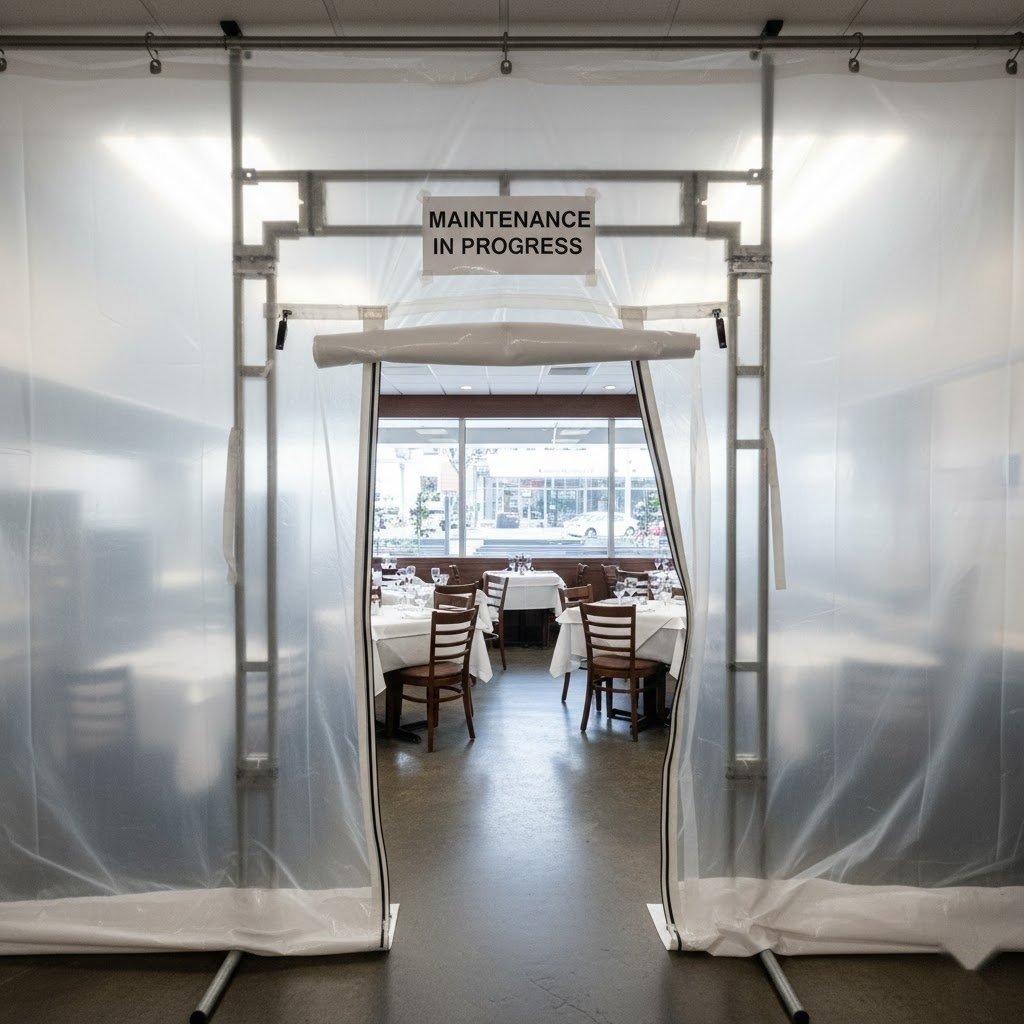
We start with a targeted inspection of high-risk zones: cook lines, dish pits, prep tables, walk-in coolers, and dining ceilings. Using moisture meters and thermal imaging, we map out hidden growth. Next, we design containment zones that protect food and equipment while limiting disruption, often isolating specific stations with plastic sheeting and negative air machines.
Containment and Negative Air Pressure
Once containment is in place, HEPA-filtered air scrubbers maintain negative pressure so spores don’t spread into clean spaces or dining areas. We coordinate with management on timing so the heaviest work happens during off-hours whenever possible. This prevents cross-contamination and ensures your restaurant can often remain operational during the process.
Removal, Cleaning, and Sanitization
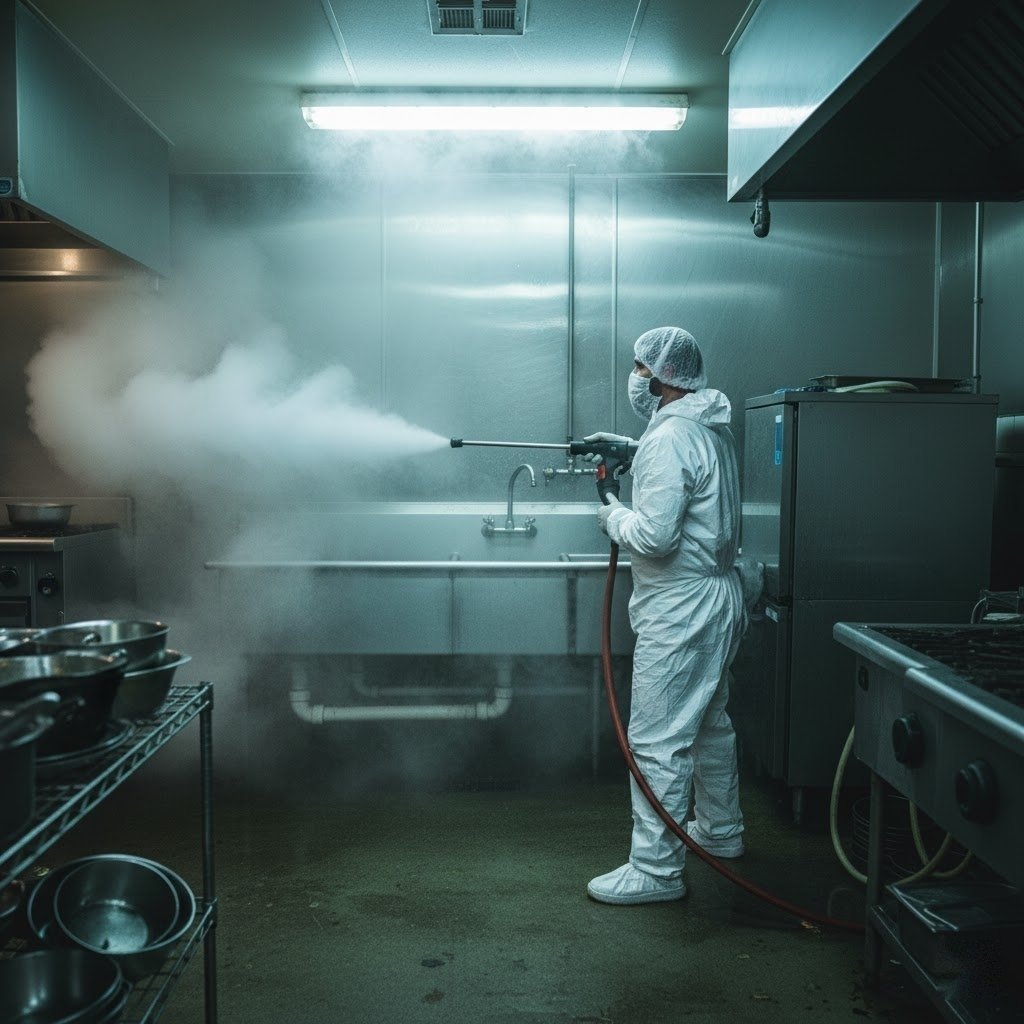
Technicians wearing OSHA-compliant PPE use HEPA vacuums to capture loose spores. We remove mold-damaged materials like ceiling tiles and drywall, bagging them for safe disposal. Remaining substrates are scrubbed and treated with EPA-registered antimicrobial solutions appropriate for food-service environments. If needed, we integrate air duct mold removal to stop spore recirculation.
Moisture Correction and Restoration
The final steps focus on moisture and restoration. We help identify repairs for roof penetrations, walk-in cooler drains, or plumbing lines. Commercial dehumidifiers bring humidity levels back to safe ranges. We then replace materials, repaint with antimicrobial coatings, and assist with clearance checks to satisfy health department requirements. If you want a clear, food-safe plan, call 505-359-5669.
Types of Mold Found in Restaurants and Food-Service Spaces
Restaurant mold remediation must address several types of mold that thrive in hot, humid, and food-rich environments. Black mold, often associated with species like Stachybotrys chartarum, tends to appear on chronically damp drywall, insulation, or ceiling material near leaks or long-term condensation. We treat these areas carefully by removing saturated material, HEPA vacuuming framing, and applying antimicrobial agents so spores don’t re-colonize.
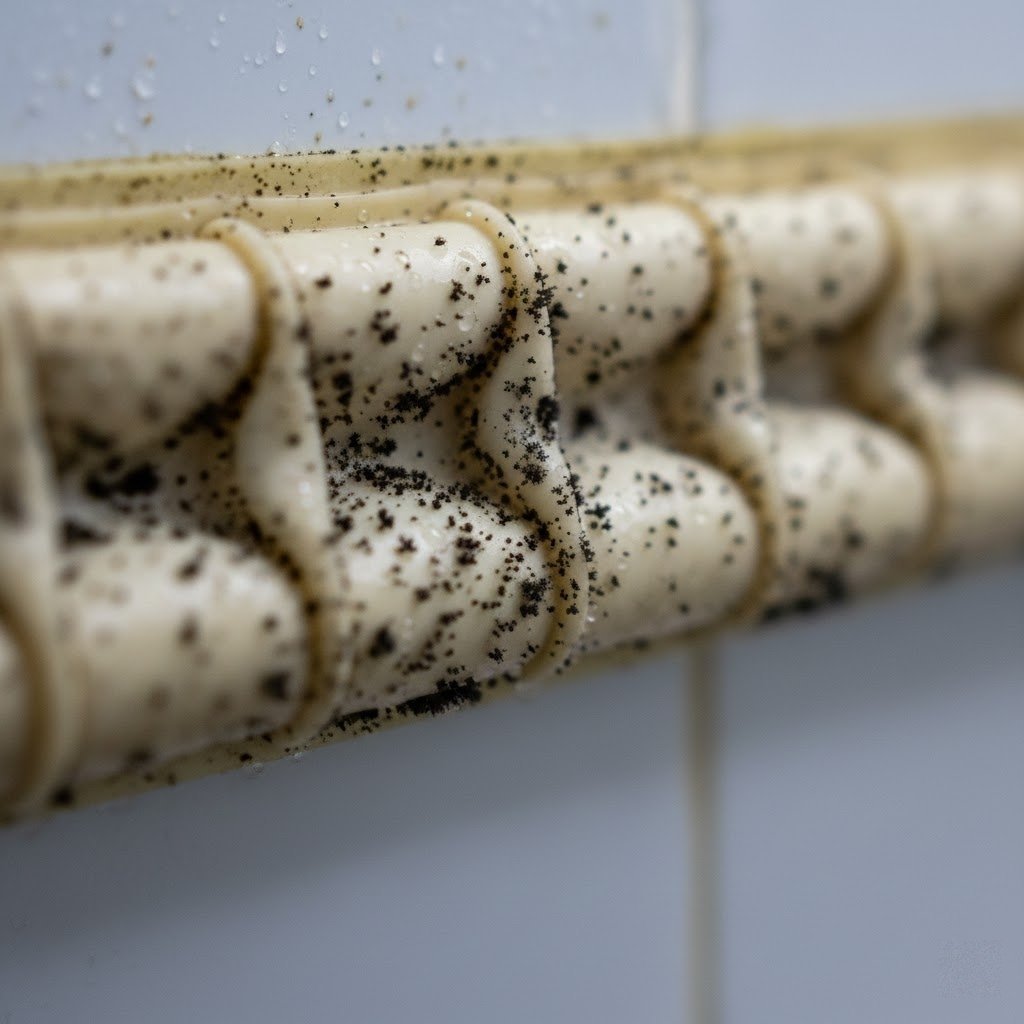
This matters because not all mold behaves the same way in a kitchen. Allergenic molds such as some Aspergillus and Penicillium species can grow in cooler, damp places like walk-in cooler gaskets, drip pans, or under sinks where there’s frequent splash and limited airflow. Mildew-like growth can appear on grout, caulk, and tile in dish pits, restrooms, and behind prep tables, especially when exhaust and ventilation aren’t keeping up with steam and heat. Understanding which areas support which types of mold helps us tailor mold cleanup, removal, and prevention methods.
In one Midtown restaurant, mildew-style growth on the tile walls near a dish machine turned out to be just the surface sign of extensive mold behind the wall from a leaking supply line. After removing tiles and drywall, we found black mold on the insulation and framing. We remediated the structure, sanitized the surfaces, and the operator upgraded the ventilation and repaired the plumbing. If you’re unsure what kind of mold you’re dealing with or how serious it may be, call 505-359-5669 for a professional assessment and remediation plan.
How Restaurant Mold Differs from Residential and Other Commercial Mold Jobs
Restaurant mold remediation differs significantly from residential, office, or warehouse mold projects because the risks, requirements, equipment, and documentation standards are all higher. Homes focus on family health, while offices focus on employees. Restaurants must protect all of those plus food products and a public dining environment that is constantly judged by health inspectors and customers.
This matters because the margin for error is smaller in a restaurant. We must consider FDA food-safety expectations, local health department codes, OSHA worker protections, and sometimes corporate franchise standards all at once. Equipment choices have to reflect that: HEPA air scrubbers, dehumidifiers, and negative air systems are positioned so they don’t interfere with food prep zones, egress paths, or fire-suppression coverage. Containment must be tight enough to keep spores out of clean areas while still allowing staff to move safely where operations continue.
Documentation is also more intensive for restaurants than for many other properties. We provide clear records of affected areas, moisture readings, materials removed, products discarded, and repairs made so you can show inspectors, landlords, and insurance carriers that the issue has been corrected. Industrial plants may focus on machinery and process uptime; offices may focus on comfort and absenteeism; but restaurant projects require fast, food-safe remediation with minimal downtime. If you want a mold partner who understands these unique pressures, contact Mold Removal Albuquerque at 505-359-5669 to discuss your kitchen.
Prevention Tips for Keeping Mold Out of Your Restaurant
Restaurant mold remediation is most powerful when it’s paired with strong prevention, and prevention in Albuquerque’s restaurant scene revolves around ventilation, humidity control, and leak management. We recommend scheduling regular roof and rooftop-unit inspections—especially on flat roofs common in Downtown, Uptown, and strip-center locations—to catch membrane damage, clogged drains, and failed flashing before monsoon season hits. Keeping water off the roof keeps it out of your ceilings and wall cavities.
This matters because even a tiny unnoticed leak over a hood penetration or cooler line can lead to frequent cleanup, recurring mold, and eventually a citation. Inside the building, walk-in coolers and freezers should have door gaskets inspected and replaced when cracked; drains should flow freely; and condenser pans should be cleaned so they don’t overflow or stagnate. Ideally, kitchen hood and general exhaust systems are balanced with make-up air so steam and grease-laden moisture actually leave the kitchen rather than condensing on ceilings, ductwork, or cooler panels.
Daily and weekly checks can be simple but powerful. Train staff to report any musty odors, ceiling tiles that discolor, or damp areas under sinks, dish machines, or beverage stations. Include quick visual checks of walk-in interiors—especially corners, seams, and fan housings—on your opening or closing checklist. We’ve seen restaurants in Southeast Heights and Westside areas prevent major problems by catching early condensation and calling for help. If you’d like a prevention checklist customized to your layout and equipment, call 505-359-5669 and ask about a preventive mold and moisture walk-through.
Why Choose Mold Removal Albuquerque for Restaurant Mold Remediation
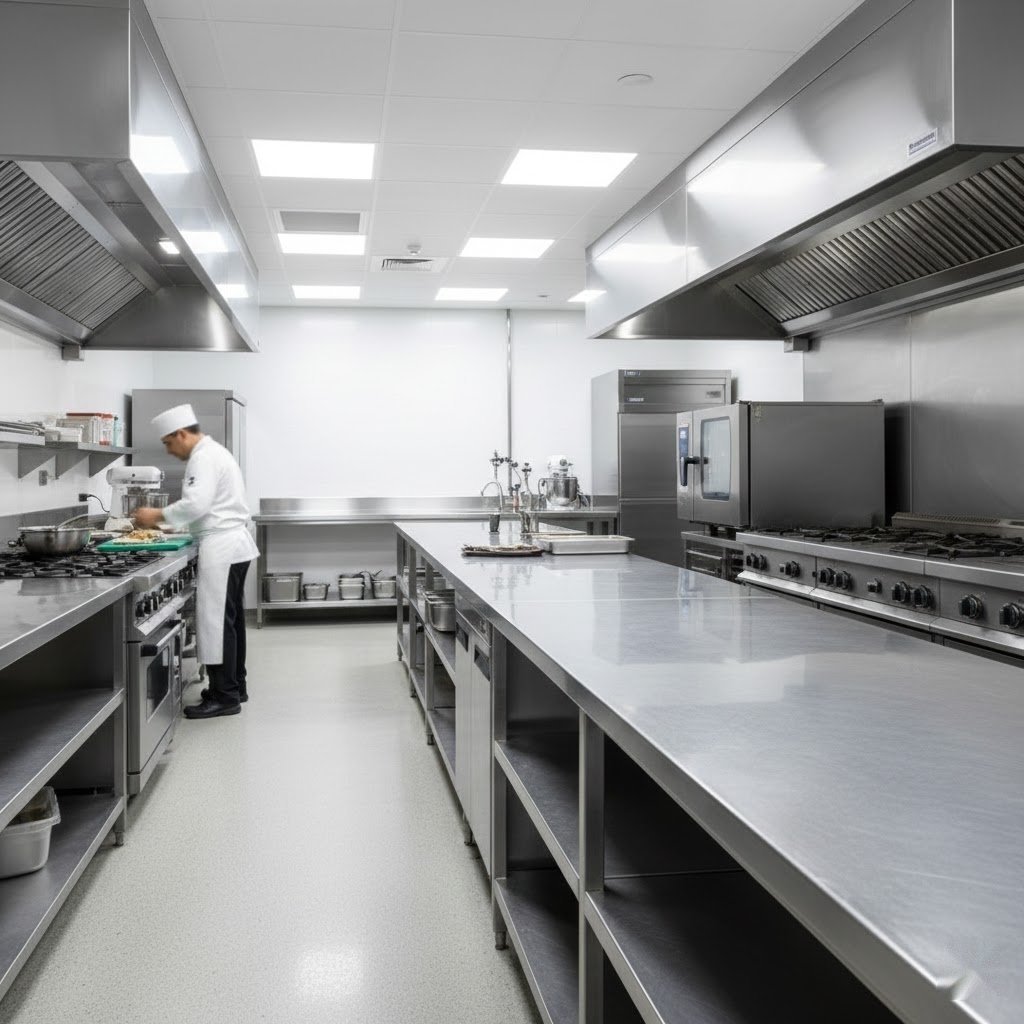
Restaurant owners choose Mold Removal Albuquerque because we understand that mold is not just a maintenance issue—it’s a food-safety, licensing, and brand-protection challenge. We focus on rapid response, clear communication, and proven remediation backed by standards from organizations like IICRC, EPA, OSHA, and local health authorities. Our teams are trained to work around commercial kitchen equipment, hood systems, and walk-in coolers without disrupting more than necessary.
This matters because restaurants can’t afford long guesswork or vague plans. We inspect quickly, explain what we find in straightforward terms, and outline a step-by-step approach that includes containment, removal, moisture correction, and documentation. Our HEPA vacuums, negative air machines, and dehumidifiers are chosen for food-service environments, and we know how to stage them in tight kitchens and busy dining rooms. We respect that your guests and staff need clear walkways and safe conditions throughout the process.
From older establishments near Old Town and Downtown to modern eateries in Uptown and the Northeast Heights, we’ve worked in a wide variety of building types and understand how Albuquerque’s climate and infrastructure impact each one. Whether your problem is mold in a small prep area or in multiple walk-in coolers and dining ceilings, we scale our resources appropriately. If you want a partner focused on getting your restaurant safely back in service, call Mold Removal Albuquerque at 505-359-5669 today.
Restaurant Mold Remediation Across Albuquerque Neighborhoods
Restaurant mold remediation in Albuquerque varies by neighborhood because building styles and moisture risks differ across the city. In Downtown Albuquerque, many restaurants occupy older buildings with flat roofs, shared walls, and mixed-use structures. Here, monsoon-driven roof leaks and aging plumbing can cause mold in ceiling tiles over dining rooms or behind bar backs, and we often coordinate with multiple tenants and property managers to resolve shared moisture issues.
In Nob Hill and Midtown/EDo, trendy eateries and cafés often run inside renovated storefronts and historic buildings. These spaces may combine modern kitchens with older wall assemblies, original brick, or patchwork roofs, making it essential to inspect behind finishes and around hood duct penetrations. We inspect these layers carefully to find hidden mold around exhaust routes, swamp coolers, or rooftop units.
In Uptown, Northeast Heights, and Westside retail corridors, many restaurants sit in strip centers or stand-alone pads with large rooftop HVAC equipment and extended roof spans. Ponding around units and clogged roof drains can feed mold in ceiling cavities over front-of-house and kitchen areas, while walk-in coolers and freezers serve high-volume operations. Further south in South Valley and Southeast Heights, some restaurants operate in older structures with swamp coolers and less insulation, meaning temperature swings and humidity can create condensation in unexpected spots. Wherever your kitchen is—from Old Town plazas to newer shopping centers—Mold Removal Albuquerque is ready to inspect and remediate; call 505-359-5669 for service.
Serving restaurants, cafés, bars, and food-service facilities across the Albuquerque metro—from Downtown and Nob Hill to Uptown, Westside, South Valley, and surrounding neighborhoods.
Food Safety, Health Department Compliance, and Documentation
Restaurant mold remediation must align with food-safety and health department expectations, and we treat that compliance as a core part of the job. During planning, we consider how local health codes, FDA food-safety guidelines, OSHA worker safety requirements, and EPA remediation standards intersect in your specific space. We then create containment and work practices that maintain as much separation as possible between remediation zones and active food prep, storage, and service areas.
This matters because inspectors want to see more than clean surfaces—they want proof of source correction, structural treatment, and ongoing prevention. We document what we find, where it is, how extensive the moisture is, and what materials were removed or treated. After remediation, we can assist you with records that show leak repairs, cooler maintenance, ceiling or wall replacements, and moisture readings that confirm conditions have improved. When requested, we help coordinate third-party air or surface testing to provide extra assurance to regulators or corporate safety teams.
For a restaurant in the International District that had mold in its walk-in cooler and dish area, our report—complete with photos, moisture logs, and a description of repairs—helped the owner demonstrate prompt corrective action during re-inspection. The inspector noted the improvements and cleared them to continue operating. If you want the same level of support in dealing with inspectors and corporate auditors, call 505-359-5669 and ask about our documentation-focused restaurant services.
FAQs: Restaurant Mold Remediation in Albuquerque
Mold in restaurants is usually caused by steam and humidity from cooking, dishwashing moisture, walk-in cooler condensation, roof or plumbing leaks, and poor ventilation around hot equipment. Call 505-359-5669 for a moisture-focused inspection.
Mold near prep areas, storage, or packaging can contribute to contamination risks and odors that make food unsafe or unacceptable. Health departments take these issues seriously. We’ll help you protect food and equipment—contact us today.
Yes. Visible mold, strong musty odors, or mold in walk-ins, ceilings, or food-contact zones can trigger violations or closures until remediation is complete. Call 505-359-5669 for emergency response if you’ve been cited.
Sometimes. Localized mold can often be remediated while other sections remain open under containment; widespread issues may require temporary closure. We’ll design a plan that balances safety with downtime.
Small, localized problems may take a couple of days; larger projects involving walk-ins, ceilings, and structural repairs can take longer. Timelines depend on inspection findings and drying needs. Schedule an assessment for a realistic timeframe.
Mold can contribute to respiratory irritation, allergen exposure, and sanitation issues, especially in high-humidity areas like dish pits and walk-ins. It also damages surfaces and equipment over time. Let us evaluate your risk and build a remediation plan.
Our Experience, Safety Practices, and Response Metrics
Restaurant operators across Albuquerque trust Mold Removal Albuquerque because we combine local experience with strict safety and response standards. We’ve handled mold in small cafés, large restaurants, bars, and multi-kitchen complexes, and we understand the unique demands of working around hot equipment, gas lines, and sensitive food areas. Every project begins with an on-site visit, not a guess over the phone, so our recommendations are based on real conditions.
This matters because you need a team that can move quickly without cutting corners. We use PPE, HEPA filtration, and containment practices that respect OSHA guidelines and protect your employees and guests. We monitor moisture levels during and after drying so problems don’t return hidden behind fresh paint. Our typical response includes fast scheduling for inspections, clear written scopes, and close communication with owners, managers, and landlords.
You can expect:
- Quick on-site assessment for Albuquerque-area restaurants
- HEPA vacuums, negative air machines, and dehumidifiers sized for commercial kitchens and dining rooms
- Documentation for health departments, insurers, and corporate safety teams
- Coordination with roofers, plumbers, HVAC, and refrigeration techs as needed
- Focused planning to minimize downtime for your restaurant
If you need a remediation partner who understands how crucial speed and safety are in food service, call 505-359-5669 today.
What Restaurant Owners Say About Our Service
Restaurant owners who work with Mold Removal Albuquerque often mention that the biggest relief is knowing someone is looking at the whole picture—roof, coolers, dish area, and dining room—rather than just wiping visible spots. They appreciate that we explain issues in plain language, show them where moisture comes from, and outline steps they can take to prevent mold from coming back.
Many managers in areas like Uptown and Nob Hill tell us that odors vanished, staff complaints dropped, and health inspections went smoother after remediation. Bar owners near Downtown have noted that guests commented on how fresh and clean the space felt once ceiling and wall issues were resolved. If you want your staff and guests focused on your menu instead of your air, reach out through our contact page or call 505-359-5669 to get started.
Micro Case Study: Fast Mold Cleanup in a Busy Albuquerque Kitchen
A popular Midtown restaurant noticed mold on ceiling tiles above its dish area and walk-in cooler door. We inspected that same week, found roof and cooler-door condensation issues, and set up overnight containment. After removing moldy tiles, treating the structure, and coordinating repairs, odors disappeared, the health inspector approved the corrections, and the restaurant avoided weekend closure.
Related Services and Resources for Restaurant Owners
Restaurant mold remediation often intersects with other building and moisture issues, and Mold Removal Albuquerque offers services that complement kitchen work. Owners who run a restaurant inside a larger commercial property may benefit from Commercial Mold Removal for shared spaces, offices, or common areas. Facilities that combine restaurant service with event or meeting spaces can leverage Office Building Mold Removal to cover conference rooms and administrative areas.
You may also need Warehouse Mold Removal if you operate off-site storage for bulk ingredients, packaging, or equipment, or Industrial Mold Remediation if your food operation connects to large-scale production. Our blog includes practical articles on mold prevention in commercial buildings and managing moisture from walk-in coolers and HVAC systems. To explore these options and schedule service, visit our contact page or call 505-359-5669.
Schedule Restaurant Mold Remediation Today
Restaurant mold doesn’t wait for a slow night to spread—it follows moisture, steam, and condensation wherever they go. Waiting to fix it risks health-code violations, emergency closures, food spoilage, and damage to your brand just as much as to your building. Mold Removal Albuquerque is ready to inspect your kitchen, find the moisture sources, and build a remediation and prevention plan that keeps your doors open and your guests safe.
Whether you run a small café, a busy bar, a full-service dining room, or multiple locations across the city, we’ll adapt to your hours, your layout, and your equipment. We’ll protect prep areas, clean up mold, coordinate necessary repairs, and help you show inspectors that the problem has been resolved the right way.
Call 505-359-5669 now or contact us through our website to schedule your restaurant mold remediation assessment in the Albuquerque area.