Industrial Mold Remediation Services in Albuquerque, NM
Finding mold inside an industrial facility can feel overwhelming and costly. It threatens worker safety, disrupts production schedules, and can damage expensive equipment and inventory. Mold Removal Albuquerque provides industrial-grade mold remediation for factories, warehouses, distribution centers, and processing plants. We eliminate mold safely and completely while correcting the moisture conditions that created it in the first place. Call 505-359-5669 or reach out through our contact page to schedule an industrial mold assessment today.
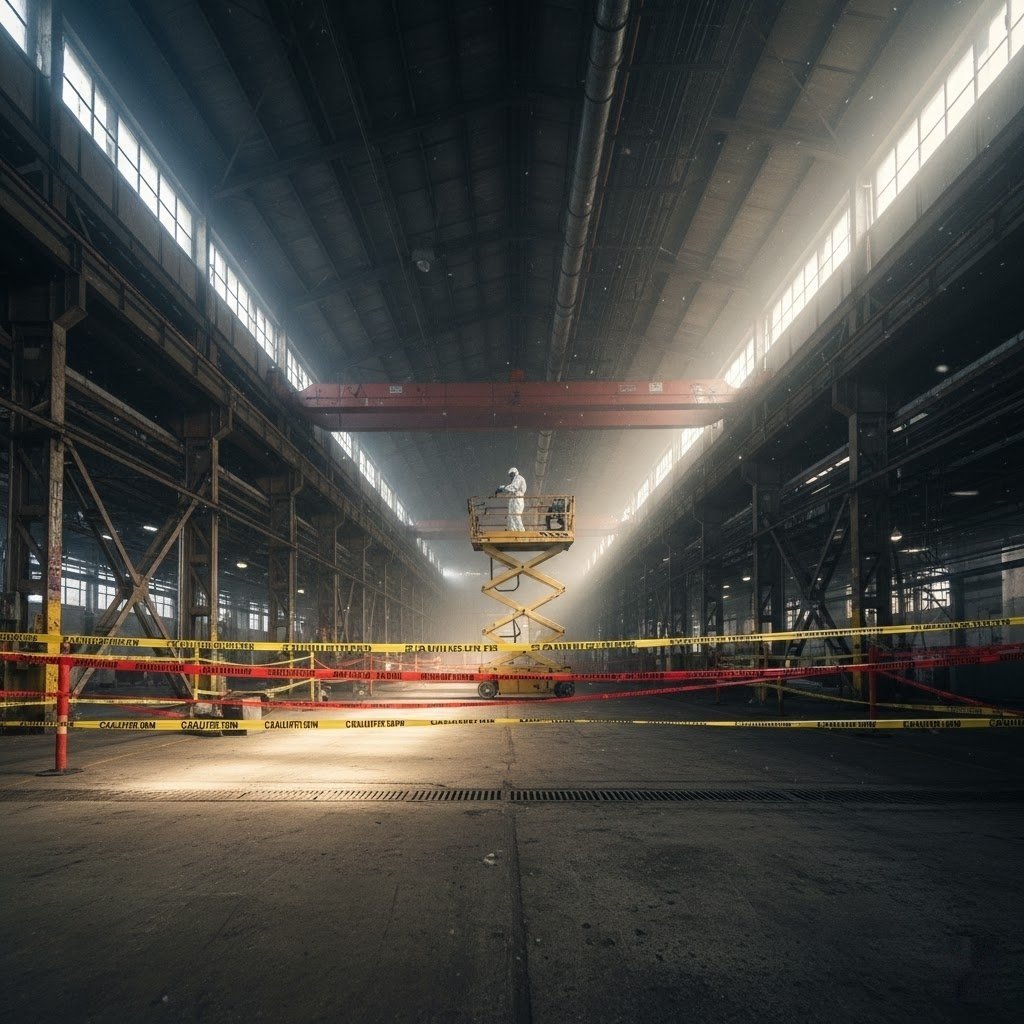
How much does Industrial Mold Remediation cost in Albuquerque?
Industrial mold remediation in Albuquerque typically ranges from $3,000 to $75,000+, depending on square footage, contamination level, building type, and whether structural or HVAC systems are affected. We provide rapid proposals for facilities in Downtown, North I-25 Corridor, Uptown, and nearby industrial zones. Every project requires a custom inspection before pricing is finalized—call 505-359-5669 to request a site visit.
Why Industrial Mold Remediation protects your operation, your workers, and your bottom line
Industrial mold remediation protects your operation by removing contamination from building surfaces, air systems, and structural materials while stopping moisture-driven regrowth. Mold in factories and warehouses grows on concrete walls, insulation, steel decking, and inside industrial HVAC, so it must be treated as a building-performance and safety problem—not just a cleaning task. When mold is ignored, spores circulate through ductwork, land on products, and can trigger respiratory complaints, damage packaging, and invite regulatory scrutiny. Addressing it quickly keeps OSHA concerns, shutdowns, and expensive material loss off your plate.
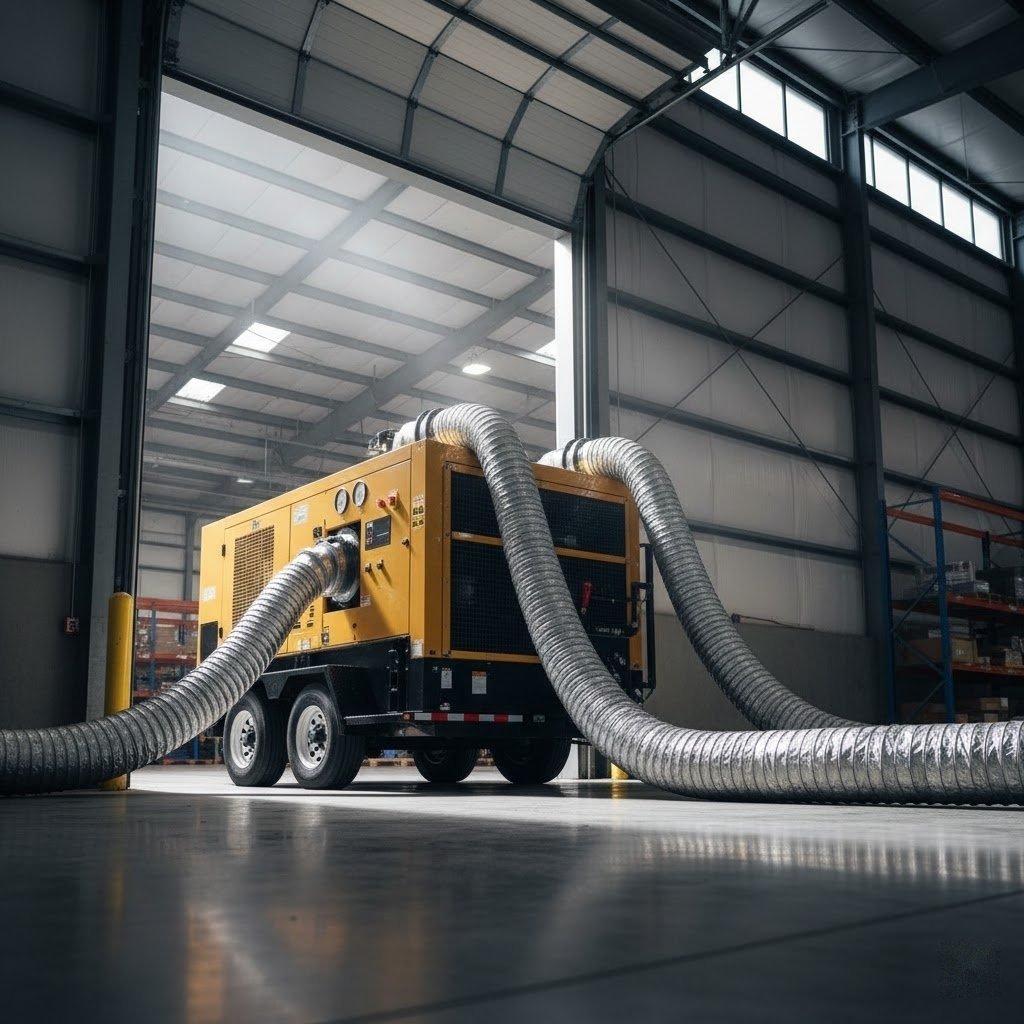
This matters because every hour of downtime in a manufacturing plant, distribution center, or industrial workshop can translate into missed shipments and contract penalties. Industrial hygiene and indoor air quality (IAQ) expectations are higher in modern facilities, especially near food, pharmaceuticals, electronics, or sensitive materials, so mold on insulation or roof panels is more than a cosmetic issue. Our teams use HEPA air scrubbers, commercial dehumidifiers, and negative-pressure containment to stabilize your environment while we work.
For example, a warehouse in the Downtown Albuquerque industrial district discovered mold on multiple rows of roof insulation after a monsoon-season roof leak; targeted remediation allowed them to keep most of the floor in operation while work proceeded zone by zone. If you want the same level of control and protection for your facility, call 505-359-5669 now to schedule an industrial mold walkthrough.
Causes of Industrial Mold Problems in Albuquerque Facilities
Industrial mold develops when moisture reaches porous or semi-porous surfaces—such as roof insulation, drywall in office areas, or dust-coated metal—inside large buildings, and then stays trapped due to poor ventilation or temperature swings. In Albuquerque, industrial facilities often rely on evaporative cooling, high-capacity HVAC, and wide-span flat roofs, all of which can create moisture pockets when they’re not balanced or maintained correctly. That combination of water, dust, and organic debris gives mold spores a perfect place to colonize.
Roof penetrations for HVAC units, vents, and piping frequently leak during monsoon storms, allowing water to travel along steel beams and appear as stains and mold growth far from the original entry point. Cooling systems and evaporative coolers can introduce humidity into warehouses and factories, especially in areas like loading docks, mechanical rooms, and production lines where airflow is uneven. When moisture contacts cold metal, uninsulated concrete, or insulated metal panels, condensation forms and feeds mold. Hidden leaks in industrial plumbing, process piping, or fire suppression lines can also saturate wall cavities and ceiling spaces before anyone notices.
This matters because a small, unnoticed leak above a production area in the North I-25 industrial corridor can turn into a large mold-affected zone that crosses fire walls, impacts multiple tenants, and compromises stored inventory. Quickly identifying and correcting roof and mechanical leaks keeps your remediation project smaller, cheaper, and easier to schedule around operations. If you’ve seen stains, rust trails, or damp insulation anywhere in your plant, contact Mold Removal Albuquerque at 505-359-5669 for a moisture-focused inspection.
Signs and Symptoms of Industrial Mold in Your Facility
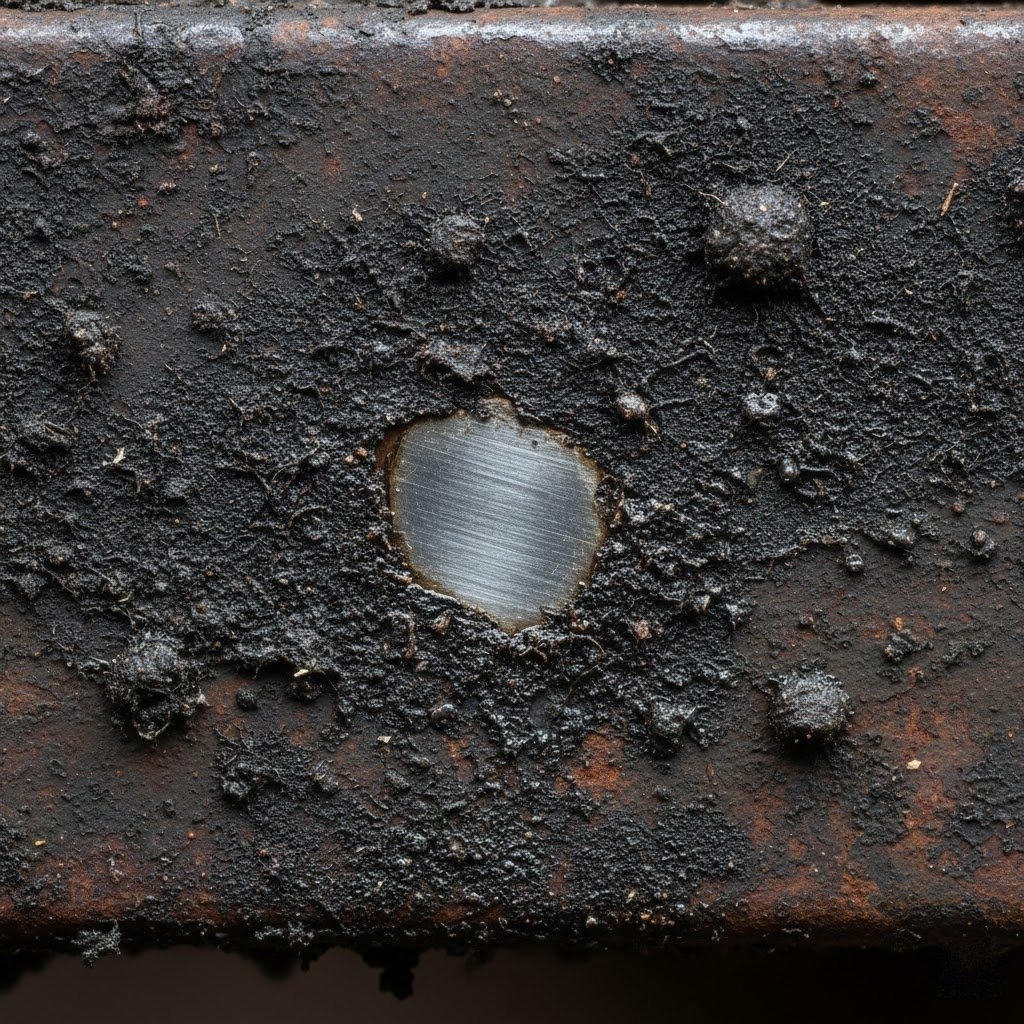
Most industrial mold problems reveal themselves through visible growth, odors, or worker symptoms before major structural issues show up. You might first notice discolored patches on concrete walls, black streaks on insulation above production lines, or fuzzy growth on the back of ceiling tiles in office or locker room areas. These spots indicate that moisture and dust have been present long enough for spores to settle, multiply, and start releasing more spores into the air.
Musty odors in specific zones—such as packaging lines, storage bays, or mechanical rooms—often signal mold behind wall panels, on roof decking, or inside ductwork. Employees may report headaches, throat irritation, or worsening allergies while on-site, especially in certain parts of the warehouse or factory floor. HVAC systems can pick up mold spores from return air or damp coils and distribute them to distant rooms, causing wide-ranging IAQ complaints even if the main contamination is localized. Pay special attention to stained drop-ceiling tiles, rusted fasteners, and condensation on ductwork; these are early warning signs that mold may already be colonizing building materials.
This matters because catching mold at the “symptom” stage can mean treating a limited area instead of remediating an entire industrial wing. For example, in a facility near Mesa Del Sol, a persistent odor around a loading dock turned out to be mold on wet insulation above door openings—addressed before it spread across the entire bay. If you’re seeing stains, smelling musty air, or hearing IAQ concerns from your team, call 505-359-5669 to schedule a professional industrial mold inspection.
Our Industrial Mold Remediation Process – Step by Step
Professional industrial mold remediation follows a strict, certified-style process to contain, remove, and prevent mold while keeping your business risks as low as possible. If you need an industrial mold plan that keeps safety and uptime front and center, call Mold Removal Albuquerque at 505-359-5669 today.
Inspection and moisture mapping
We start by inspecting the full facility or affected zones, including production lines, storage bays, office areas, and mechanical rooms. Our technicians use moisture meters and, when appropriate, thermal imaging to map wet areas in roof assemblies, walls, and floors, and we review your HVAC layout to see how air moves through warehouses, mezzanines, and high-bay zones. This inspection allows us to define clear work areas and prioritize high-risk locations.
Containment and negative air pressure
Next, we implement containment and HEPA negative air to protect clean zones and control airborne spores. In industrial buildings, this may mean section-by-section containment using poly sheeting, hard barriers, and temporary doors to separate active production lines from remediation zones. Negative pressure machines with HEPA filtration draw air out of work areas so spores and dust don’t migrate into offices, showrooms, or adjacent tenants.
Removal and cleaning
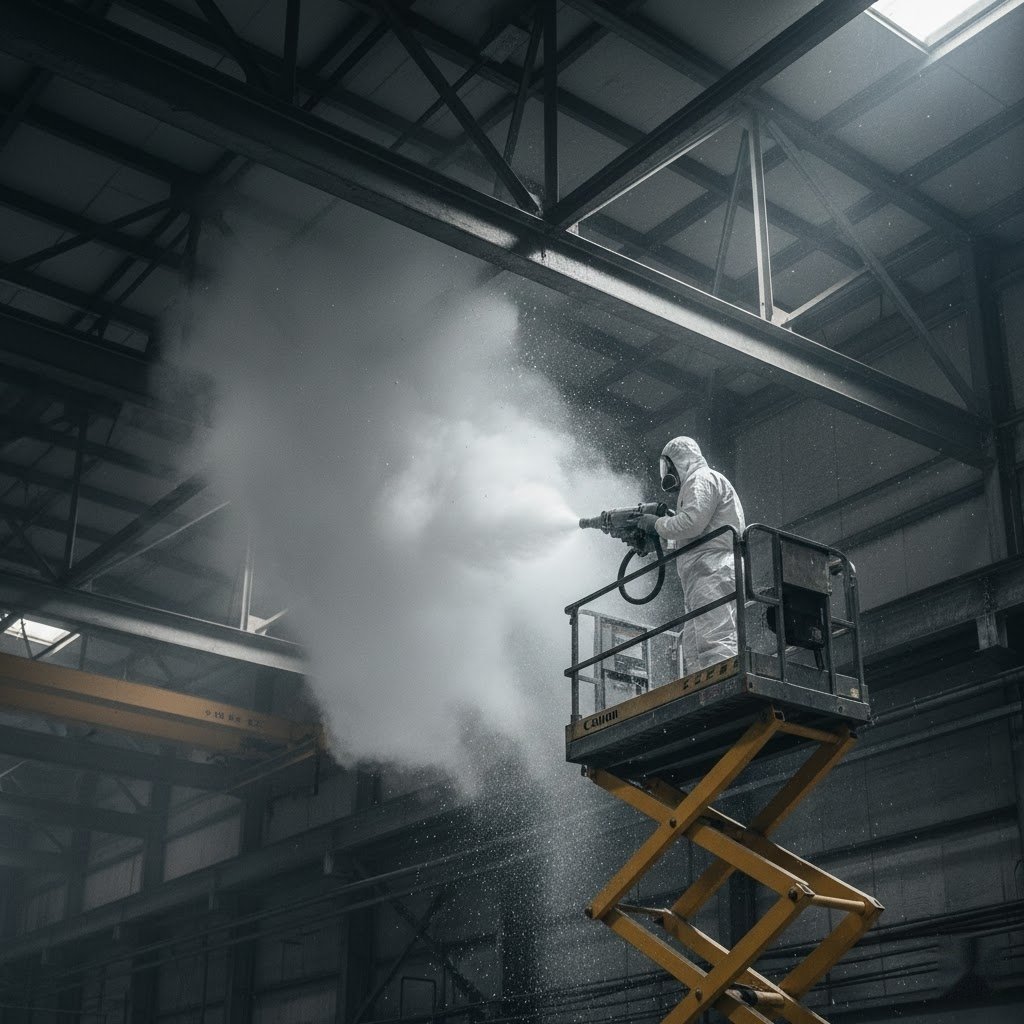
Once containment is in place, we remove and clean contamination using industrial-grade equipment. We HEPA vacuum surfaces to capture settled spores on exposed steel, concrete, and insulation, then mechanically clean affected materials using appropriate antimicrobial solutions. Where mold has penetrated insulation, ceiling tiles, or gypsum, we remove those materials, bag them, and dispose of them per best practices. Structural members like steel decking or framing are scrubbed and treated.
Repairs and verification
Repairs and post-verification complete the process. We dry remaining materials using commercial dehumidifiers and air movers, and we correct moisture sources such as roof leaks or cooling-system issues in coordination with your roofing or mechanical contractors. When appropriate, we can assist you in arranging third-party clearance testing or documentation for insurance and regulatory needs. We coordinate closely with your safety manager or facilities team to align containment plans with OSHA safety protocols and internal procedures.
Types of Mold and Contamination in Industrial Environments
Industrial mold contamination includes a range of mold types and growth patterns, from light surface growth on dusty concrete to deeper colonization of insulation, drywall, and structural cavities. Black mold, often associated with Stachybotrys chartarum, tends to thrive in areas where water has been present for an extended period—such as chronic roof leaks above a warehouse bay or long-term moisture in an equipment room. Allergenic molds like Aspergillus and Penicillium frequently colonize dusty HVAC components, insulated panels, and areas with intermittent condensation.
This matters because different mold types, materials, and moisture histories influence how far remediation must go. Surface mold on painted steel or sealed concrete may be treated with HEPA vacuuming and antimicrobial cleaning, while mold that has penetrated insulation or composite wall panels might require more extensive removal and replacement. In high-sensitivity environments like food processing or pharmaceutical storage, even low-level mold growth on structural elements can be unacceptable, requiring aggressive cleaning and tighter IAQ verification. Our approach focuses on contamination level, material type, and risk profile rather than reacting only to visible color.
For example, a distribution center in the Northeast Heights might have light mold dusting on high-level concrete beams from condensation episodes, while a production plant in the South Valley may have saturated insulation under a failed roof segment—each requires a different remediation scope. If you want a partner who understands how to scale the response to your real risk, contact Mold Removal Albuquerque at 505-359-5669 for an industrial mold consultation.
Residential vs. Commercial vs. Industrial Mold – Key Differences That Affect Your Project
Industrial mold remediation differs from residential and standard commercial projects because industrial facilities carry higher risks, larger volumes of space, and more complex systems. In homes, mold is often confined to bathrooms, basements, or a few walls, and the goal is protecting family health and building materials. In commercial offices and small retail spaces, the focus expands to include employees, customers, and brand reputation, but the square footage and system complexity are still manageable. Industrial buildings add heavy machinery, large-scale HVAC, production lines, and significant downtime costs to the equation.
This difference matters because industrial projects demand higher levels of documentation, containment scale, and coordination. Response time must be rapid to limit production interruptions, and equipment—such as large HEPA air scrubbers, high-capacity dehumidifiers, and scissor lifts—is required to reach high ceilings and large roof spans. Liability exposure is greater, especially in facilities that store chemicals, food products, pharmaceutical ingredients, or critical inventory, so remediation must be aligned with OSHA expectations and environmental guidance instead of simple “clean-and-go” approaches.
For instance, a mold project in a small office off Central Albuquerque may be handled during off-hours with minimal containment, while an industrial plant remediation near Westgate might involve multi-shift work, lockout/tagout coordination, and phased shutdowns of specific process lines. If you need an industrial mold partner—not just a residential contractor on a big job—call 505-359-5669 to talk with Mold Removal Albuquerque about your facility.
Prevention Tips: How to Reduce Industrial Mold Risk Long-Term
Industrial mold prevention relies on targeted ventilation, dehumidification, leak control, and regular inspections, not just occasional cleaning. The first step is to identify and eliminate ongoing moisture sources: maintain roof membranes and penetrations, inspect evaporative coolers and cooling towers, and monitor process piping for slow leaks. Establish a routine inspection schedule for roof drains, scuppers, and gutters so monsoon storms don’t overwhelm flat roofs and send water into insulation or wall cavities.
Next, control humidity and condensation inside the facility. Industrial operations with steam, wash-down processes, or evaporative cooling can push indoor humidity high enough to cause condensation on metal deck roofs, insulated panels, and ductwork. Balancing industrial HVAC, adding dehumidification in sensitive zones, and improving airflow near known cold spots can significantly cut mold risk. Simple changes—such as moving stored materials away from exterior walls, insulating cold surfaces, and sealing penetrations—help prevent hidden mold pockets in warehouses and production areas.
This matters because prevention is almost always cheaper than remediation, especially when you factor in potential shutdowns and damaged inventory. For example, a manufacturing plant in North Albuquerque Acres that added humidity monitoring and regular roof inspections saw small issues resolved before mold ever formed on insulation. If you’d like a prevention-focused assessment tailored to your industrial process, call 505-359-5669 and ask about an industrial moisture and mold risk review.
Why Industrial Clients Choose Mold Removal Albuquerque
Industrial clients choose Mold Removal Albuquerque because we treat mold remediation as a combined safety, operations, and building-performance challenge—not just a cleaning job. We understand the realities of running factories, warehouses, and plants across the Albuquerque area, where monsoon storms, flat roofs, and evaporative cooling collide with tight production schedules. Our team focuses on protecting worker health, critical equipment, and your ability to operate during and after remediation.
We inspect, identify, and mitigate mold using industrial-grade equipment such as HEPA air scrubbers, commercial dehumidifiers, and negative-pressure systems that can handle high-ceiling spaces and large volumes of air. Our processes align with industry best practices for mold remediation and water damage handling, and we coordinate with your safety, maintenance, and facilities teams to support OSHA-compliant work zones and documentation. That means better communication, clearer scope, and smoother interaction with insurers and auditors.
This matters because choosing a contractor who isn’t comfortable with industrial constraints can result in disorganized containment, extended downtime, and incomplete repairs. Facilities in areas like Downtown, Midtown/EDo, and the North I-25 industrial corridor rely on us for fast mobilization and clear, step-by-step project plans. If you want a remediation partner that understands both mold and industrial operations, call Mold Removal Albuquerque at 505-359-5669 today.
Localization: Industrial Mold Solutions Across Albuquerque
Industrial mold problems look different in each part of Albuquerque, and we tailor our approach to your local building conditions. In Downtown Albuquerque, many older warehouses and mixed-use buildings have flat roofs and aging roof penetrations where monsoon water can leak into roof decks and create moldy insulation. Our crews are familiar with staging work around tight streets and neighboring businesses in this area.
In the North I-25 and Northeast Heights industrial corridors, facilities often combine office, lab, and warehouse spaces under one roof. HVAC zoning, rooftop units, and evaporative coolers can create humidity differences from one side of the building to the other, so we inspect both the production floor and mezzanine or office levels to catch hidden mold. In Mesa Del Sol and newer industrial developments, modern insulation and tight envelopes can trap moisture when mechanical systems are imbalanced, making thorough moisture mapping critical.
On the west side near areas like Paradise Hills and Volcano Cliffs, wide-span distribution centers and storage buildings face heavy sun exposure and temperature swings, which can drive condensation patterns on metal roofs and upper wall surfaces. Whether your facility is a legacy warehouse in Old Town’s fringe or a new logistics hub on the city’s edge, Mold Removal Albuquerque is ready to inspect and remediate your industrial mold issues—call 505-359-5669 to schedule service.
Conveniently based in the Albuquerque area, we service industrial facilities from Downtown and Old Town to the North I-25 corridor, Mesa Del Sol, and surrounding Bernalillo County.
FAQs – Industrial Mold Remediation in Albuquerque
Industrial mold remediation removes mold from factories, warehouses, and plants by combining containment, HEPA filtration, material removal, and moisture correction to protect workers, equipment, and operations. Call 505-359-5669 to discuss your facility.
Mold in industrial facilities typically comes from roof leaks, evaporative cooling, process humidity, plumbing failures, or condensation on cold metal surfaces that collect dust and moisture. Schedule an inspection today for a moisture-focused assessment.
Mold can irritate workers’ airways, trigger allergies, and contaminate products or packaging, leading to complaints, lost inventory, and potential regulatory scrutiny. Protect your team and inventory by calling 505-359-5669.
We inspect the facility, set up large-scale containment, use HEPA air scrubbers, remove contaminated materials, treat surfaces, correct moisture sources, and support clearance testing before full re-occupancy. Contact us for a step-by-step plan.
Some areas may require temporary shutdown or restricted access, but many projects can be phased so unaffected zones continue operating while remediation is completed section by section. We’ll help design a phased plan around your production schedule.
Coverage varies by policy, cause of loss, and how quickly the issue was reported, so we always recommend reviewing your commercial policy and involving your broker or adjuster early. We can provide documentation to support your claim.
Timeline depends on facility size, contamination level, moisture damage, and desired phasing, ranging from a couple of days to several weeks for large structures. Call 505-359-5669 for a site-specific timeline estimate.
Preventing recurrence requires ongoing roof maintenance, cooling system inspections, leak repairs, humidity control, and periodic moisture checks in high-risk zones. Ask us about setting up a prevention and monitoring plan for your site.
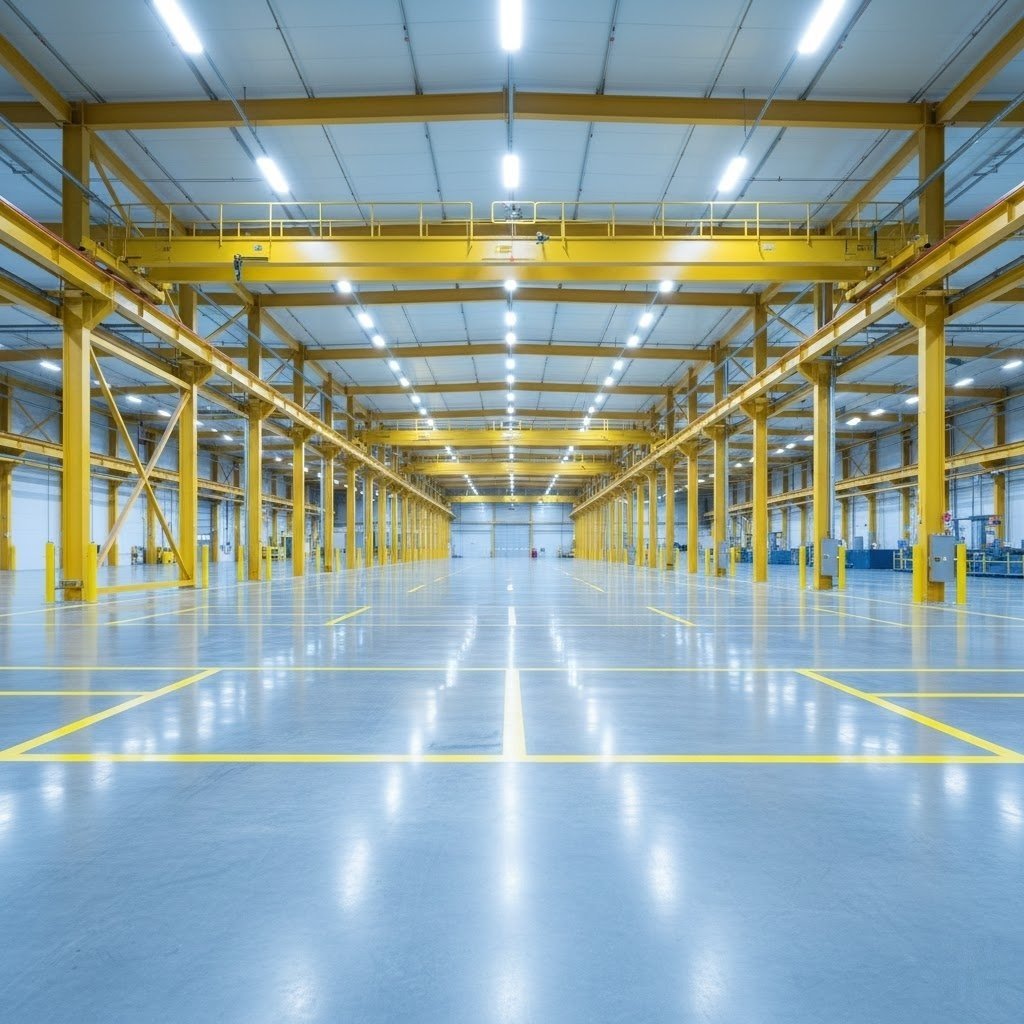
Our Experience and Safety Focus for Industrial Clients
Industrial clients in the Albuquerque area trust Mold Removal Albuquerque because we combine local building knowledge with disciplined safety practices. We’ve worked across a variety of industrial environments—from warehouse-style facilities near the North I-25 corridor to mixed-use plants near Midtown/EDo—so we understand the challenges of wide-span roofs, high-bay storage, and complex HVAC systems. Our teams prioritize rapid mobilization so you’re not left waiting when mold threatens production.
We follow industry-recognized guidance for mold remediation and water damage handling, and we build every project around worker protection and clear communication. That means PPE for our crews, controlled containment zones, coordination with your safety manager, and project documentation that supports internal audits and insurance needs. We integrate moisture mapping and industrial IAQ considerations into our process instead of treating mold as an isolated cleaning task. If safety, documentation, and uptime matter to your organization, call 505-359-5669 to talk with Mold Removal Albuquerque about your industrial mold challenge.
What Industrial Clients Value About Our Work
Industrial property owners, facility managers, and EHS teams value mold remediation that respects their production schedules and safety culture. They appreciate detailed explanations of what’s contaminated, how we’ll contain it, and how we’ll keep workers and inventory protected throughout the process. Clarity about phases, timelines, and moisture repairs helps them communicate internally with leadership, tenants, or corporate.
They also look for a remediation partner that understands industrial realities: scissor lifts in busy aisles, forklifts moving near containment, lockout/tagout procedures, and coordination with other contractors like roofers and mechanical firms. That kind of coordination helps avoid surprises, rework, and extended downtime. When mold is handled systematically, teams can return to normal operations with confidence that the underlying moisture issues were addressed—not just the visible growth. If you want that same level of communication and coordination for your facility, reach out via our contact page or call 505-359-5669 to get started.
Micro Case Study – Industrial Mold Problem Solved
A large distribution center near the North I-25 corridor discovered mold on roof insulation and ceiling surfaces after repeated monsoon leaks. We mapped moisture, established high-bay containment, removed saturated insulation, treated steel decking, and coordinated roof repairs. Within two weeks, operations resumed at full capacity with improved IAQ readings and no further staining.
Helpful Internal Resources for Industrial Clients
Industrial mold rarely affects only one part of a property, so many facility managers explore related services and education. If you’d like help deciding which service best matches your building type, call 505-359-5669 and we’ll walk through your options.
- Learn how whole-building strategies work on our Residential Mold Removal and Commercial Mold Removal service pages.
- Understand how air systems contribute to contamination on our HVAC Mold Removal and Air Duct Mold Removal pages.
- Read our blog article on Preventing Mold in Albuquerque Industrial and Commercial Buildings for ongoing maintenance ideas.
- Visit our Contact page to request an on-site industrial mold assessment.
- Check our Special Offers page for any current inspection or remediation incentives for large facilities.
Ready to Protect Your Facility? Call Today.
Industrial mold won’t resolve itself, and every week of delay can increase contamination, damage insulation, and raise IAQ complaints. The sooner you address it, the easier it is to contain work zones, protect equipment, and keep operations moving. Mold Removal Albuquerque is ready to inspect, contain, remediate, and help prevent future issues across your factory, warehouse, or processing plant.
Whether you’re dealing with a suspected roof leak, musty warehouse odor, visible mold on insulation, or employee complaints about air quality, our team can respond quickly with an industrial-focused plan. We’ll identify moisture sources, design containment that respects your operations, and remediate mold with safety and compliance in mind.
Call 505-359-5669 now or contact us through our website to schedule your industrial mold remediation assessment in the Albuquerque area.