Professional Campus Mold Removal in Albuquerque
Discovering mold across a campus can feel overwhelming when you’re responsible for hundreds or thousands of people. Mold spreads quietly between dorms, offices, labs, and athletic centers, and it undermines air quality long before stains appear. Mold Removal Albuquerque provides coordinated, campus mold removal for educational, medical, government, and corporate campuses across the Albuquerque area. We eliminate mold safely and completely using EPA- and IICRC-informed procedures designed to protect occupants while keeping as many buildings operational as possible.
Call 505-359-5669 or reach out through our contact page now to schedule a campus-wide mold inspection.
How much does Campus Mold Removal cost in Albuquerque?
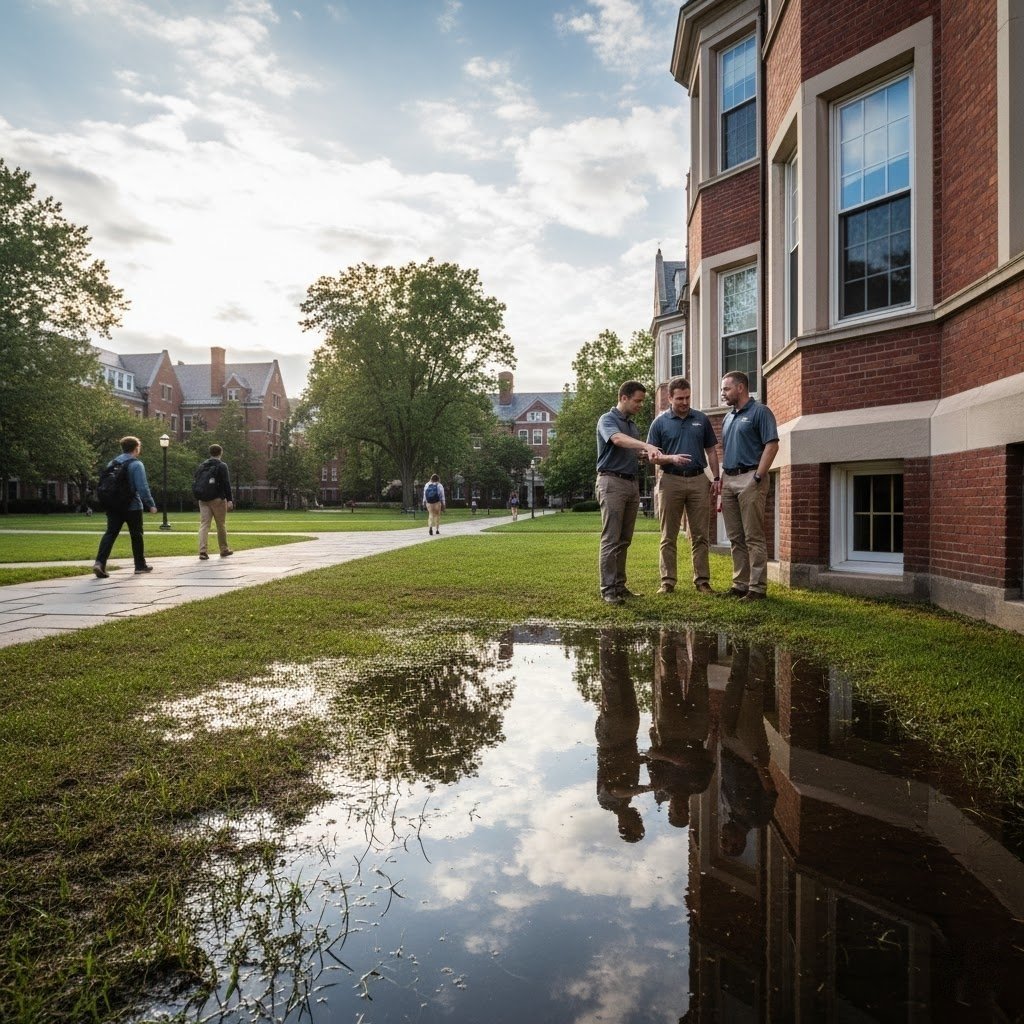
Campus mold removal in Albuquerque typically ranges from $3,500 to $150,000+, depending on how many buildings are affected, the extent of moisture damage, and whether HVAC systems and dorms are involved. Costs differ between a single training center in Midtown and multi-building complexes near the UNM area or Uptown. A detailed on-site assessment is required for an accurate proposal.
Why Campus Mold Removal Is Unique and Essential
Campus mold removal protects your property by removing harmful mold colonies and stopping moisture-driven regrowth across multiple buildings at once. On a campus, mold doesn’t just affect one room—it can influence indoor air quality for students, patients, staff, or employees across entire wings, dorms, and shared HVAC zones.
Large populations and high occupancy make health risks more serious. Mold spores and fragments irritate respiratory systems, aggravate asthma, and trigger allergy symptoms, especially in dorms, classrooms, and open-plan offices. Cleaner air means fewer complaints, less absenteeism, and a safer environment for visitors and vulnerable occupants.
Structurally, mold weakens drywall, ceiling tiles, insulation, and even wood framing when moisture lingers. On campuses with flat roofs and older infrastructure in Central Albuquerque, Downtown, Nob Hill, or near the UNM corridor, repeated leaks can quietly damage multiple floors over time.
Delaying campus-wide remediation increases operational and reputational risk. Mold can force dorm closures, cancel training sessions, delay medical services, and create stories that spread faster than spores. Prompt, coordinated removal keeps more buildings open and demonstrates due diligence to boards, regulators, and families.
For example, a recurring roof leak over a library and adjacent classroom wing can start as minor ceiling stains and quickly become a multi-building issue if HVAC systems spread spores. Targeted, early campus mold remediation keeps that problem from becoming a district-wide or corporate crisis.
If you’re noticing recurring mold issues across more than one building, call 505-359-5669 today for a strategic campus mold evaluation before the next storm or semester begins.
Causes of Mold on Albuquerque Campuses
Campus mold develops when moisture reaches porous surfaces such as drywall, insulation, ceiling tiles, carpet, or wood framing in multiple buildings. Because campuses often share infrastructure, small issues can turn into system-wide moisture problems if they’re not identified and corrected quickly.
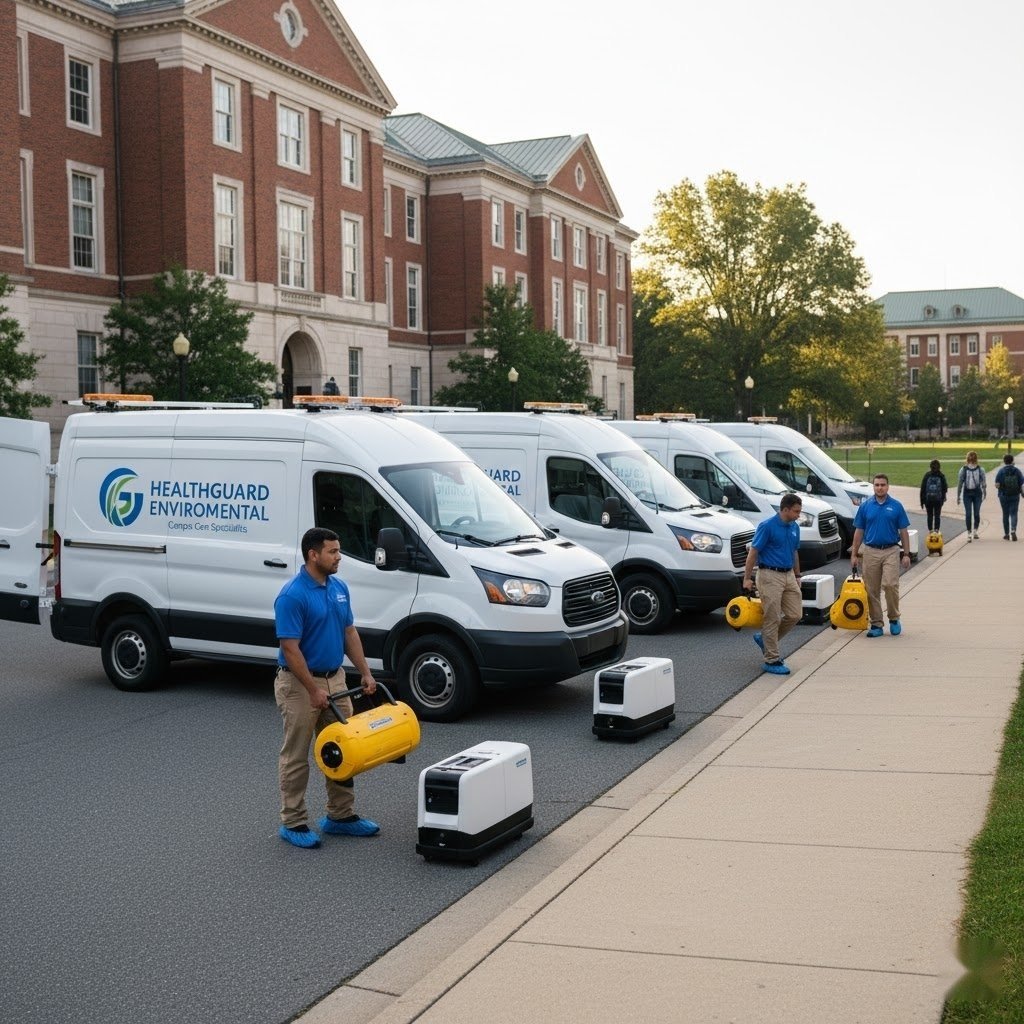
Roof leaks are a primary cause, especially on flat-roof educational, government, and medical campuses. Albuquerque’s monsoon season can pond water on aging roofs in Central Albuquerque, Midtown / EDo, and near Uptown, driving moisture through flashing into classrooms, offices, and hallways.
HVAC issues in large buildings also fuel mold. Oversized or aging air handlers, duct networks, and swamp coolers can generate condensation on coils, drip pans, and ductwork. When condensate drains clog or insulation fails, moisture may leak into ceiling cavities, mechanical rooms, and utility corridors, affecting multiple floors.
Plumbing leaks in dorms, training facilities, and office cores introduce water into wall cavities and chases that serve many rooms. In stacked restrooms and showers, a single failing drain or supply line can impact multiple floors and even adjacent buildings.
Humidity in gyms, locker rooms, and natatoriums, plus poor ventilation in older buildings around the UNM area or older corporate campuses, keeps surfaces damp for long periods. Combine that with Albuquerque’s dust—which provides an organic food source—and spores can colonize quickly once moisture appears.
For example, a storm event may send water under doors and through low-lying basements across several buildings at once. Without dehumidification, HEPA air filtration, and fast cleanup, mold can appear in mechanical rooms, training spaces, and storage areas weeks later.
If you suspect roof, HVAC, or plumbing issues are driving mold across your campus, contact Mold Removal Albuquerque at 505-359-5669 for a moisture-focused campus assessment.
Signs of Campus-Wide Mold Issues
Most campus mold problems reveal themselves through visible growth, odors, or health symptoms long before full structural damage appears. Recognizing patterns across buildings helps you act before a localized problem becomes a campus-wide crisis.
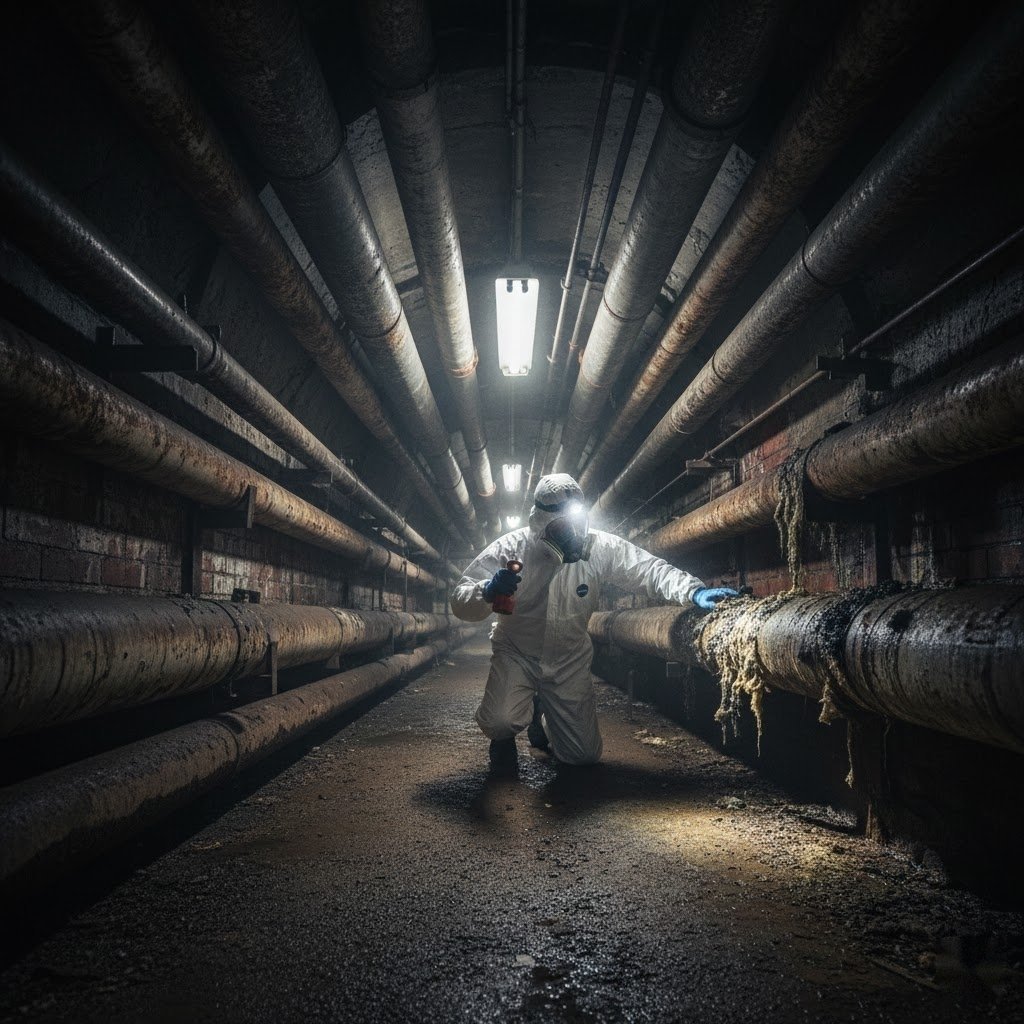
A key sign is musty odors present in multiple buildings—such as dorm halls, classrooms, and administrative offices—especially after rain or overnight. When more than one structure smells damp, the cause may be shared roof or HVAC issues.
Mold on ceiling tiles in several conference rooms, hallways, or lecture spaces is another strong indicator. Stained, sagging, or speckled tiles in buildings from Nob Hill to Northeast Heights show that moisture is infiltrating from above or through HVAC components.
Respiratory complaints and allergy flare-ups among students, staff, or employees across multiple facilities suggest poor indoor air quality. When health complaints cluster by building or floor, airborne spores and fragments may be spreading via shared ducts or mechanical rooms.
Visible mold around vents, windows, or baseboards in several structures—combined with condensation on windows or cooled surfaces—signals humidity and thermal imbalances that encourage growth. Soft drywall, peeling paint, or persistent damp spots after rains are classic hidden mold flags.
For example, if a training center, office building, and library on the same campus all show musty odors and stained tiles, the real culprit may be an underserviced central HVAC loop or recurring roof condition.
If multiple buildings share similar complaints or visual signs, call 505-359-5669 for a coordinated campus mold inspection rather than treating each building in isolation.
Our Campus Mold Removal Process (Multi-Building Execution)
Professional Campus Mold Removal follows a strict, certified process to contain, remove, and prevent mold across multi-building facilities. Mold Removal Albuquerque combines IICRC S520 principles, EPA guidance, and OSHA safety rules with multi-structure logistics to keep your operations running.
Multi-Building Inspection and Moisture Mapping
We begin by inspecting all suspected campus buildings, walking classrooms, dorms, labs, offices, cafeterias, gyms, and mechanical rooms. Using moisture meters, thermal imaging, and visual assessment, we map moisture in walls, ceilings, floors, and utility spaces. We assess whether mold is localized or part of a broader pattern affecting multiple structures. This multi-building map lets us prioritize higher-risk areas like dorms or medical facilities. Call 505-359-5669 to schedule a campus-wide mold inspection.
Large-Scale Containment and HEPA Negative Air
Once we understand the scope, we design containment strategies for each affected building. We use poly sheeting, zipper doors, and hard barriers to isolate rooms, floors, or entire wings while preserving emergency egress. HEPA-filtered negative air machines maintain proper pressure relations, preventing spores from migrating into clean zones. We coordinate containment with your facilities team and security to maintain access to critical operations. Call 505-359-5669 to coordinate plans.
Safety, Compliance, and Documentation
Throughout the project, we protect workers and occupants using PPE, OSHA-compliant safety plans, and EPA-aligned cleaning. For educational, corporate, medical, or government campuses, we align our work with internal EHS policies. We document the entire process: before-and-after photos, moisture readings, containment diagrams, and daily activity logs. This documentation supports facility directors, boards, and insurance providers. Ask us at 505-359-5669 about documentation packages.
Mold Removal and Structural Remediation
Next, we remove mold from surfaces and structural components using HEPA vacuums, damp wiping, and appropriate disinfectants. For structural mold, we perform selective demolition of drywall, insulation, and flooring to expose studs and subfloor. When campus HVAC systems show contamination potential, we coordinate duct cleaning, coil and pan cleaning, and insulation corrections to prevent spores from re-entering occupied spaces. Call 505-359-5669 to discuss a full remediation scope.
Moisture Source Repair and System Corrections
Effective Campus Mold Removal requires identifying and correcting the moisture sources driving growth. We help you pinpoint roof, plumbing, HVAC, and envelope issues so that your maintenance team can implement permanent fixes. By aligning repairs with remediation, we reduce the risk of recurrence and provide your leadership with a clear roadmap for capital projects and preventive maintenance. Use our findings as a prioritized repair plan—call 505-359-5669.
Restoration Across Campus Buildings
After mold removal and moisture correction, we restore affected areas so they’re ready for classes, patient care, training, or office work. Restoration steps may include new drywall and insulation, fresh ceiling tiles, and durable flooring. We often recommend mold- and mildew-resistant coatings in high-moisture zones. Where possible, we stage restoration building by building or wing by wing. Call 505-359-5669 to align restoration with your campus calendar.
Final Verification and Clearance
Finally, we verify that the remediation objectives have been met. This includes visual inspections, moisture measurements, and—when requested—indoor air quality (IAQ) testing in collaboration with your EHS team or third-party consultants. We provide a final clearance report summarizing conditions, repairs, and recommendations. This report is suitable for administrators, boards, safety committees, or insurers. Contact us to discuss clearance and IAQ options for your campus at 505-359-5669.
Types of Mold Found on Campuses
Campus mold removal must manage a spectrum of mold types, from cosmetic bathroom mildew to more concerning toxigenic colonies in long-term wet areas. Knowing the patterns helps prioritize where to intervene first.
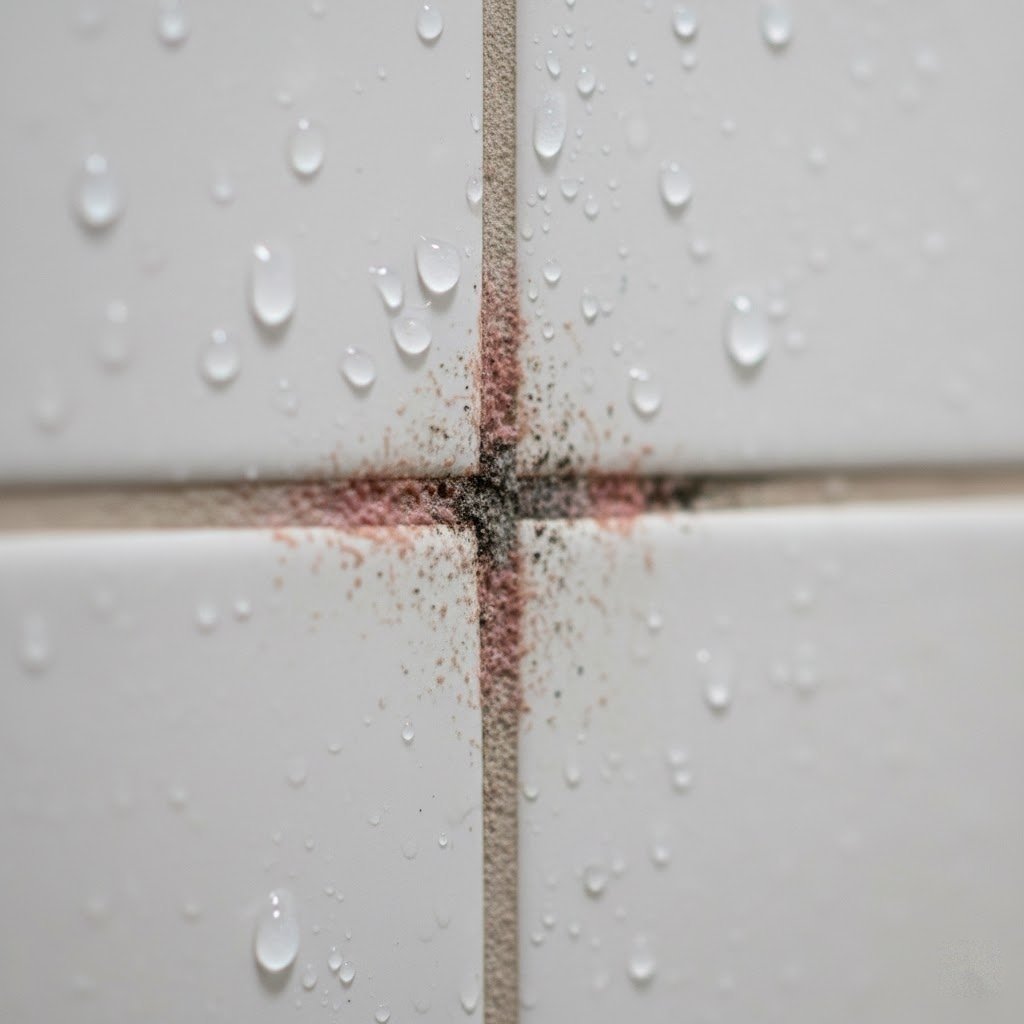
In showers, locker rooms, and dorm bathrooms, light-colored mildew commonly appears on grout, caulk, and painted surfaces. While often surface-level, it signals chronic humidity or ventilation issues that can enable deeper growth in hidden cavities.
Allergenic molds such as Aspergillus and Penicillium often colonize damp carpets, ceiling tiles, and dust inside HVAC systems. On campuses around the UNM area, Nob Hill, and Northeast Heights, these species can drive allergy and asthma symptoms in large populations.
Toxigenic molds like Stachybotrys chartarum (black mold removal) may develop in heavily water-damaged drywall or insulation where leaks have persisted, especially in basements or behind walls. These areas demand strict containment, HEPA filtration, and careful removal following IICRC-based practices.
Because spores and fragments travel on air currents and dust, the key campus risk is not one “bad species” but the overall contamination level and moisture conditions in materials and HVAC systems.
If you’re worried about specific mold types in your dorms, labs, or clinics, call 505-359-5669 to discuss whether targeted sampling is appropriate for your campus.
Residential vs Commercial vs Campus-Scale (Industrial) Mold Projects
Campus Mold Removal differs significantly from residential and standard commercial jobs in risks, requirements, and scale. Understanding those differences helps you choose the right mitigation partner.
Residential projects typically involve one structure, fewer occupants, and simpler HVAC. Documentation and containment are still important, but the scope is limited and timelines are more flexible.
Commercial office or retail spaces add more occupants, larger HVAC systems, and higher documentation needs, but they usually involve single buildings or small complexes. Containment and negative air use are more extensive, and downtime impacts business operations.
Campus-scale projects—spanning universities, colleges, medical campuses, government complexes, and corporate campuses—involve multi-building logistics, thousands of occupants, and interdependent operations. Risks include cross-building HVAC spread, synchronized start dates, and regulatory oversight.
These projects demand larger equipment fleets, more HEPA vacuums and dehumidifiers, and detailed documentation for multiple stakeholders. Response times must be fast, but planning must be precise to minimize unnecessary closures and relocations.
If you’re managing a campus rather than a single building, call 505-359-5669 to discuss a remediation approach designed specifically for multi-facility environments.
Long-Term Mold Prevention Tips for Campuses
Campus mold prevention relies on ventilation, dehumidification, leak checks, humidity control, and air circulation managed at scale. Strategic maintenance reduces emergency calls and keeps more buildings safely open year-round.
Improve ventilation in high-moisture spaces like dorm showers, locker rooms, laundry rooms, and cafeterias by confirming fans are properly sized, vented, and actually running. Regularly verify performance, not just installation.
Deploy commercial dehumidifiers or upgraded HVAC controls in basements, archives, training spaces, and weight rooms where Albuquerque’s humidity spikes or evaporative systems can raise moisture levels.
Implement a standardized leak-response protocol, so custodial and maintenance teams remove wet materials, deploy HEPA air scrubbers and dehumidifiers, and document moisture readings whenever roof or plumbing leaks occur—especially during monsoon season.
Use regular roof, window, and envelope inspections for sites across Central Albuquerque, Northeast Heights, Uptown, and the UNM area. Catching failed flashing, sealant, or glazing early saves thousands in remediation later.
Train RAs, supervisors, and staff to recognize musty odors, discoloration, condensation, and soft drywall. Early reporting from people in the buildings every day is the best low-cost prevention tool.
If you’d like a campus mold prevention checklist tailored to your buildings and systems, call Mold Removal Albuquerque at 505-359-5669 to schedule a consultation.
Why Choose Mold Removal Albuquerque for Campus Mold Removal
Mold Removal Albuquerque offers the multi-building experience, equipment capacity, and local insight needed for Campus Mold Removal across the Albuquerque area. We understand the logistics of working in complex environments while keeping core functions running.
Our team relies on IICRC-based procedures, EPA mold guidelines, and OSHA-focused safety programs to ensure each project follows recognized standards. We utilize HEPA vacuums, negative air machines, dehumidifiers, and moisture meters appropriate for large campuses.
Because we are local, we understand Albuquerque-specific campus risks: flat roofs that pond during monsoons, older buildings with swamp coolers, and dust that feeds mold once moisture appears. This helps us find root causes faster and design practical solutions for your climate and infrastructure.
We emphasize clear communication with facility managers, EHS departments, and administrators so you always know what’s happening, where, and when. From first inspection through final clearance, you receive consistent updates and documentation.
If you want a campus-focused remediation partner—not just a generic contractor—call 505-359-5669 or reach out via our contact page to discuss your campus mold situation.
Campus Localization: Serving Multi-Building Sites Across Albuquerque
Campus Mold Removal often begins in dense building clusters around Central Albuquerque and Downtown, where government offices, training centers, and mixed-use educational facilities share aging infrastructure and flat roofs.
Around the UNM area and Nob Hill, we help universities, colleges, and private schools manage mold across lecture halls, dorms, labs, and student services housed in buildings from different eras with varied HVAC systems and envelope performance.
In Midtown / EDo and Uptown, corporate and healthcare campuses often combine modern towers with older auxiliary buildings, which creates complex leak and moisture patterns requiring careful moisture mapping and phased remediation.
Further out in Northeast Heights and Northwest Heights, multi-building religious, educational, and professional campuses face strong sun, monsoon-driven leaks, and temperature swings that can cause condensation on windows and ducts.
Wherever your campus is located in the Albuquerque metro, call 505-359-5669 for fast, coordinated Campus Mold Removal support.
Comprehensive campus mold removal for multi-building facilities across the Albuquerque metro, including educational, medical, government, and corporate sites.
Frequently Asked Questions About Campus Mold Removal
Mold on campuses typically comes from flat-roof leaks, HVAC condensation, bathroom and shower humidity in dorms, plumbing leaks, and poor ventilation in older buildings. Shared systems can spread moisture issues across multiple structures.
Yes, mold can spread between buildings through shared HVAC, tunnels, utility corridors, and repeated leaks in similar construction details. Spores also travel on air, dust, clothing, and maintenance equipment.
We inspect all affected structures, map moisture, and create building-by-building scopes. Then we set containment, use HEPA filtration, remove or clean mold-damaged materials, fix moisture sources, and verify results across the campus.
Mold can aggravate asthma, allergies, and respiratory issues for students, staff, or workers. Large populations amplify risk and complaints, especially when dorms, classrooms, and offices share compromised air.
Yes, campuses often stay open while we isolate specific rooms, wings, or buildings. We schedule work after-hours, on weekends, or during breaks when possible to reduce disruption.
Timelines vary based on the number of buildings, severity of damage, and scheduling windows. Some projects take days; complex, multi-building efforts may require phased work over weeks.
Sometimes. We often relocate occupants from specific areas or dorm wings while keeping other buildings open. Our goal is to minimize moves while maintaining safety.
Yes, especially when coils, pans, or duct interiors are wet or dirty. Shared air handlers and duct runs can distribute spores across floors or buildings if not properly maintained and remediated.
Absolutely. We coordinate with facility directors, EHS departments, risk management, and leadership to ensure scopes, schedules, and documentation meet institutional requirements.
Preventive strategies include roof monitoring, HVAC and drain maintenance, humidity control, quick leak response, and routine inspections of high-risk zones like dorms, gyms, and mechanical rooms.
EEAT: Proven Experience and Safety for Large Campuses
Mold Removal Albuquerque has years of experience serving the Albuquerque area, including complex educational, corporate, government, and medical campuses with multiple buildings and varied infrastructures.
Our crews follow IICRC S520–based remediation methods, OSHA-compliant safety procedures, and EPA mold guidance to protect occupants and workers. We rely on HEPA filtration, PPE, dehumidifiers, and precise moisture measurement on every campus project.
We focus on safety practices such as detailed site-specific plans, containment verification, air monitoring when required, and close coordination with campus EHS or safety officers. Our metrics include rapid response times, buildings successfully restored, and positive follow-up inspections.
Testimonials
“Mold Removal Albuquerque coordinated remediation across several buildings on our training campus without derailing our program schedule. Their containment, communication, and documentation made it easy to brief leadership and staff.” – Training Center Facilities Director
“We had recurring mold complaints in two dorms and an office building. Their team tracked the problem to roof and HVAC issues, remediated all areas, and helped us prioritize repairs.” – Campus Operations Manager
“They handled a complex mix of labs, classrooms, and administrative spaces. The crew respected our staff, maintained clean work areas, and delivered thorough clearance documentation.” – Corporate Campus Property Manager
Micro Case Study (Campus Mold Removal)
A multi-building campus near the UNM area reported musty odors and ceiling stains in dorms, offices, and a library. We inspected all structures, installed HEPA containment, removed moldy materials, corrected roof and HVAC moisture issues, and restored finishes. Result: safe, cleared buildings reopened with minimal schedule disruption.
Internal Links: Explore Related Services and Resources
Strengthen your overall building health strategy by reviewing these related pages on your site:
- University Mold Removal – Focused services for higher-education campuses and dorms.
- School Mold Remediation – Dedicated solutions for K–12, charter, and private schools.
- Commercial Mold Remediation – For standalone offices, clinics, and retail buildings.
- Blog: How Monsoon Storms Affect Mold Risk on Albuquerque Campuses – Educational content for facility and EHS teams.
- Contact & Offers Page – Request inspections, quotes, and view any current service promotions.
- Home - Return to our main page.
After reviewing these resources, you can return to this Campus Mold Removal page and call 505-359-5669 when you’re ready to move forward.
Final Call to Action: Protect Your Entire Campus Today
Campus Mold Removal requires more than spot fixes; it demands a coordinated, multi-building strategy that protects people, property, and operations. Mold Removal Albuquerque is ready with the experience, equipment, and local insight to manage your campus-wide remediation project from inspection to clearance.
If you’re facing mold in dorms, classrooms, labs, offices, or any campus facility, call 505-359-5669 now to speak with a campus mold specialist, or submit a request through our contact page to schedule a full campus mold assessment and remediation plan. Protect your occupants, protect your buildings, and protect your organization’s reputation—starting today.