University Mold Removal Services in Albuquerque, NM
Finding mold in a university building can feel overwhelming for facility teams and campus leadership. Mold spreads quickly through dorms, classrooms, and labs, and it quietly undermines indoor air quality for students, faculty, and staff. Mold Removal Albuquerque provides large-scale, coordinated university mold removal for campuses across the Albuquerque metro. We eliminate mold safely and completely using IICRC S520–based procedures aligned with EPA and OSHA expectations to protect your people, buildings, and reputation. Call 505-359-5669 or use our contact page now to schedule a campus inspection.
How much does University Mold Removal cost in Albuquerque?
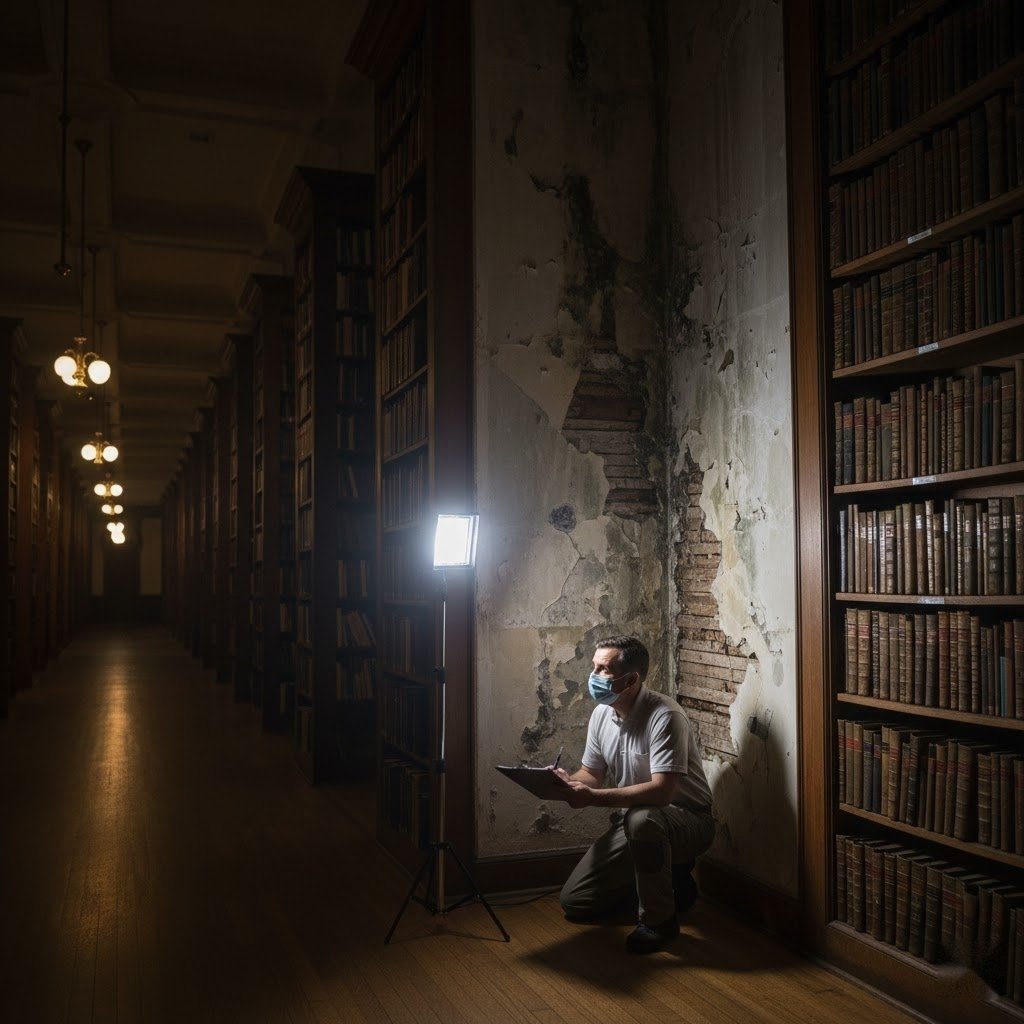
University mold removal in Albuquerque typically ranges from $2,500 to $40,000+ per building, depending on square footage, number of affected rooms, moisture sources, and HVAC involvement. Costs vary between a single dorm wing in the UNM area and multi-building issues near Nob Hill or Midtown. An on-site inspection is always required for an accurate quote.
Why University Mold Removal Is Critical for Albuquerque Campuses
University mold removal protects your campus by removing harmful mold colonies and stopping moisture-driven regrowth across multiple buildings. Mold thrives in dorm bathrooms, aging flat roofs, and large HVAC systems, and it disrupts the air quality that students and faculty rely on every day. Unchecked mold growth raises serious health risks for students with asthma, allergies, or compromised immune systems by releasing spores that irritate airways and inflame respiratory systems. Cleaner air in lecture halls, libraries, and dorms helps reduce coughing, headaches, and fatigue so students can focus on learning instead of symptoms.
Structural risk grows as mold eats into porous materials like drywall, ceiling tiles, and wood framing in older academic buildings around Downtown, Nob Hill, and near the UNM area. The longer moisture sits behind block walls or under carpets, the more repairs your facilities team faces, from warped subfloors to damaged insulation. Campus operations also sit on the line because significant mold problems can force class or dorm closures, generate parent complaints, and attract negative media coverage. Proactive remediation keeps more classrooms and housing online, protecting both enrollment and reputation. For example, a minor roof leak above a residence hall near Central Albuquerque can turn into sagging, stained ceiling tiles and musty dorm rooms in just a few days of monsoon season. Addressing it fast with HEPA filtration, dehumidifiers, and IICRC-guided containment avoids relocating hundreds of students later. If you’re seeing stains, smelling musty odors, or fielding student complaints, call 505-359-5669 to schedule a university mold inspection before the issue escalates.
Common Causes of Mold in Albuquerque Universities
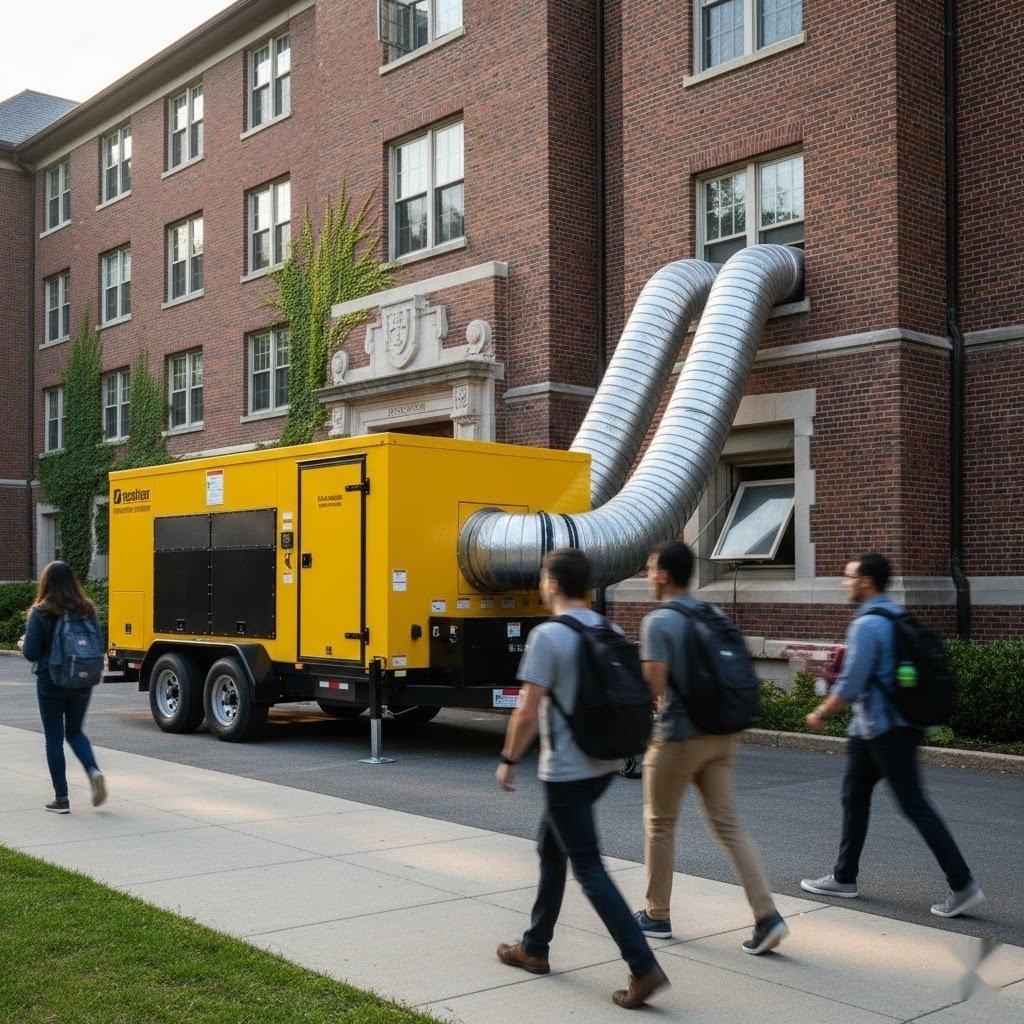
University mold develops when moisture reaches porous surfaces such as drywall, insulation, carpets, or wood framing in high-occupancy buildings. Large campuses in Albuquerque face a unique mix of climate, building age, and mechanical challenges that make mold more likely if maintenance isn’t rapid and consistent. Roof leaks are a major driver, especially on flat-roof academic buildings and dorms found across central campus areas. Monsoon rains can pond and force water through worn flashing, allowing moisture to soak into ceiling tiles above lecture halls, libraries, and administrative offices.
Bathroom and shower humidity in dorms, locker rooms, and athletic facilities keeps surfaces damp for hours. If exhaust fans, make-up air, or dehumidification are undersized or poorly maintained, mold can take root on grout lines, caulking, and drywall behind tile. HVAC condensation in large systems, including rooftop units and long duct runs, creates hidden moisture around vents, coils, and drip pans. When drain lines clog or insulation fails, moisture can drip into mechanical rooms, ceiling cavities, or wall chases. Plumbing leaks in older campus buildings and labs—whether from restrooms, lab sinks, or chilled water piping—allow water to travel horizontally and vertically behind walls. In multi-story residence halls near the UNM area, a single failing shower valve can quietly impact multiple stacked rooms. Albuquerque’s dust-heavy desert environment adds another challenge: dust provides an organic food source for spores once moisture appears, amplifying contamination risk if cleanup is delayed. If you suspect roof, plumbing, or HVAC issues are feeding mold on your campus, contact Mold Removal Albuquerque at 505-359-5669 for a moisture-focused inspection and repair plan.
Signs and Symptoms of Mold in University Buildings
Most university mold problems reveal themselves through visible growth, odors, or health symptoms before structural issues appear. Paying attention to those early warning signs allows your facilities and Environmental Health & Safety (EHS) teams to intervene before a localized problem grows campus-wide. One of the earliest symptoms is a persistent musty odor in dorm rooms, hallways, or specific classrooms, especially after rain or overnight. That smell usually points to mold metabolizing organic material in hidden areas like wall cavities, carpets, or ceiling voids.
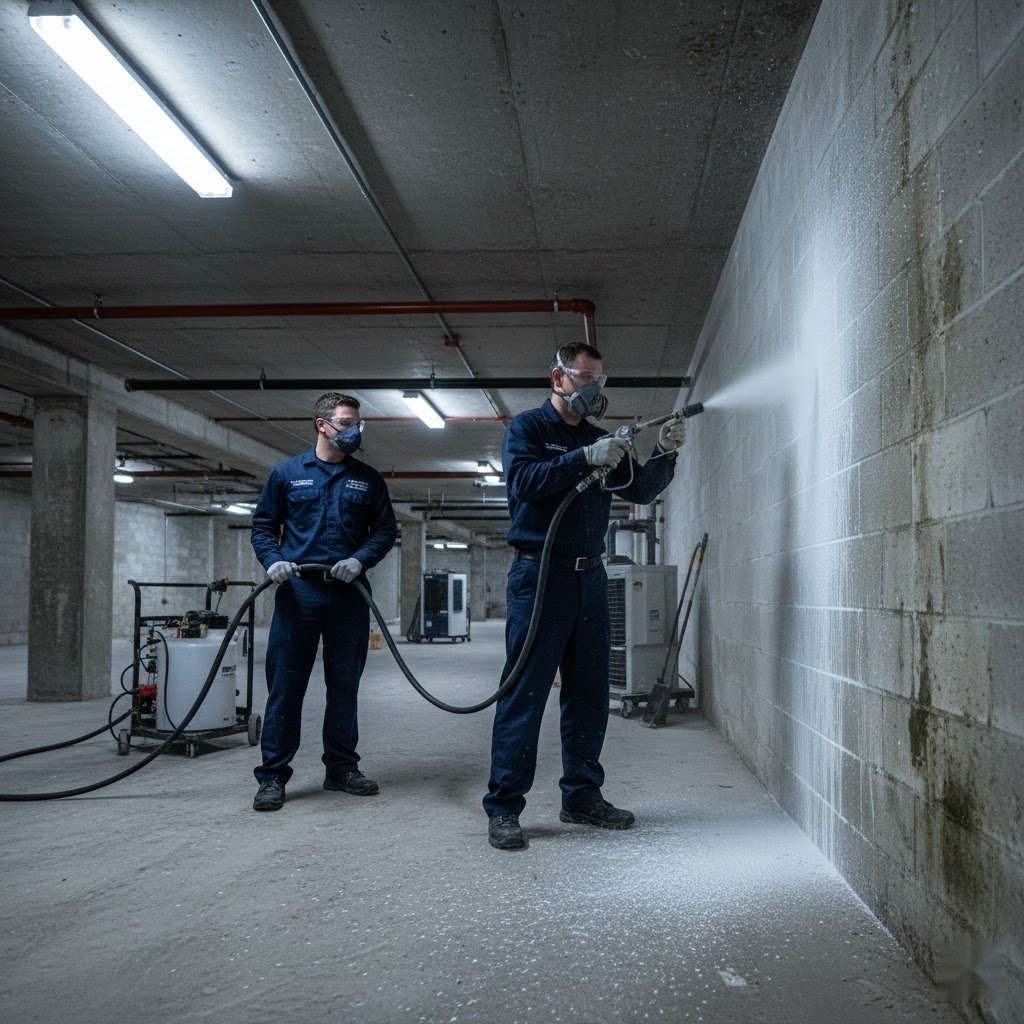
Visible black, green, or gray spots on ceiling tiles, drywall, or around vents are clear red flags that mold is active on the surface. Stained or sagging tiles in lecture halls, libraries, and basements indicate repeated moisture intrusion from roof leaks or plumbing lines above. Respiratory irritation among students and staff—such as increased coughing, wheezing, or sinus irritation—often correlates with poor indoor air quality. If asthma incidents spike in specific wings or dorm floors, airborne spores and fragments may be circulating through shared HVAC systems. Hidden mold signs include soft or warped drywall, peeling paint, or discolored baseboards that persist even after surfaces look dry. Condensation on dorm windows, especially along Nob Hill–facing facades or older campus housing, may signal temperature and humidity imbalances that support mold growth. For example, a portable classroom near a campus edge might show no visible mold but repeatedly smells damp, and students complain of headaches. Moisture mapping and thermal imaging can reveal wet insulation and concealed growth behind paneling. If you’re noticing odors, stains, or student complaints clustered in specific buildings, call 505-359-5669 to schedule targeted classroom and dorm inspections before the next semester begins.
Our University Mold Removal Process (Campus-Scale, Step by Step)
Professional university mold removal follows a strict, certified process to contain, remove, and prevent mold across large, multi-building campuses. Mold Removal Albuquerque uses IICRC S520 guidelines, EPA mold principles, and OSHA safety practices to coordinate work with your EHS and facilities teams.
Campus-Wide Inspection and Moisture Mapping
We first inspect and document affected buildings, prioritizing dorms and high-traffic classroom spaces. Using moisture meters, thermal imaging, and visual assessment, our team checks walls, ceilings, floors, and high-risk zones such as basements and mechanical rooms. This inspection clarifies whether mold is localized to one dorm wing near the UNM area, or spreading across multiple buildings. Identifying moisture migration patterns helps define realistic project scope and timelines. Schedule a university-wide assessment with 505-359-5669.
Containment and Negative Air Controls
We then design containment zones that isolate contaminated rooms, floors, or wings while keeping the rest of the building safely operational. Poly sheeting, zipper doors, and hard barriers define work areas, and HEPA-filtered negative air machines maintain proper pressure differentials. On busy campuses, coordinated containment around dorm corridors, labs, or athletic facilities must respect student circulation routes and fire egress requirements. If you need containment that works with student traffic and class schedules, call now to plan with our project managers.
Safety, Compliance, and Documentation
Throughout the project, we protect workers and occupants using PPE, OSHA-compliant safety plans, and EPA-aligned antimicrobial use. We coordinate closely with university EHS personnel to ensure protocols match campus standards and any research-related requirements. Detailed documentation—including photos, moisture readings, IICRC-based work protocols, and daily logs—supports your administration, risk management, and insurance carriers. Ask us at 505-359-5669 about our documentation packages tailored for university and campus systems.
Mold Removal: Surface and Structural
Next, we remove mold from both visible and hidden areas using HEPA vacuums, damp wiping, and professional antimicrobial solutions appropriate for educational environments. Surface mold on drywall, ceiling tiles, vents, and flooring in dorms and classrooms is carefully cleaned or removed. When mold has penetrated behind walls or into insulation, we perform selective demolition of affected drywall, insulation, and flooring, exposing studs and subfloor for thorough treatment. If your campus has problem basements or mechanical rooms, call 505-359-5669 to discuss a phased remediation plan.
Moisture Source Repair and Building Envelope Corrections
Effective university remediation must correct the moisture source or mold will return. Working alongside your facilities team or preferred trades, we help identify necessary repairs: roof patching on flat roofs, plumbing fixes, window and facade sealing, and HVAC condensate corrections. In Albuquerque’s climate, we often see monsoon-driven roof leaks over older academic buildings and dorms. Improving drainage, ventilation, and insulation reduces future risk. Use our inspection findings as a roadmap for prioritized moisture repairs.
Restoration to Student-Ready Condition
Once mold is removed and moisture under control, we restore affected areas using school- and campus-safe materials. That may include new drywall and insulation, fresh ceiling tiles, durable flooring, and mold-resistant paints and coatings in high-moisture zones like dorm bathrooms. Our goal is to return dorm rooms, lecture halls, and common areas to a clean, attractive, and functional state that meets your campus standards and maintains student confidence. If you need buildings back online before the next term, call 505-359-5669 to discuss accelerated restoration scheduling.
Final Verification and Clearance
Final Verification and Clearance confirms the success of remediation through visual inspection, moisture readings, and optional indoor air quality (IAQ) testing in collaboration with your EHS policy. For sensitive spaces like dorms, libraries, and labs, third-party or campus-approved testing can offer additional assurance. We provide written clearance documentation summarizing work performed, readings, and any IAQ sampling results, ready for administration, risk management, and parent communication as needed. Ask us about clearance documentation options at 505-359-5669 to match your university’s EHS and legal expectations.
Types of Mold Found in University Buildings
University mold removal manages a range of mold types, from cosmetic mildew in showers to toxigenic colonies behind walls. Understanding these variations helps prioritize risks in dorms, classrooms, and labs. Common mildew-type fungi grow on bathroom grout, caulking, and window frames, especially in humid dorm showers and athletic locker rooms. While often limited to surfaces, they still indicate excessive moisture that can support deeper growth elsewhere. Allergenic molds such as Aspergillus and Penicillium often colonize damp carpets, ceiling tiles, and dust-laden HVAC components. These species can contribute to allergy symptoms and asthma flare-ups in students and staff, especially in older buildings around Central Albuquerque and Nob Hill.
Toxigenic species such as Stachybotrys chartarum (often associated with chronic moisture in drywall or black mold removal contexts) can appear in heavily water-damaged walls, basements, or behind long-neglected leaks. These locations require stricter containment, HEPA filtration, and careful PPE use in line with IICRC and EPA guidance. Because spores are microscopic and species vary, a lab or residence hall can appear only slightly stained yet harbor elevated airborne spores circulating via shared HVAC systems. Our approach focuses on the condition and moisture loads of materials, not just color or media headlines. If you’re concerned about what type of mold may be present in your dorms or labs, call 505-359-5669 to discuss whether sampling is appropriate for your situation.
University vs Residential vs Other Commercial Mold Projects
University mold removal differs significantly from residential and standard commercial jobs in risks, requirements, and scale. These differences shape our equipment choices, documentation detail, and project planning. Compared to a home, a university campus hosts thousands of students and staff, higher occupancy density in dorms, and more varied space types—from labs to theaters. This scale demands more negative air machines, industrial dehumidifiers, and HEPA vacuums to handle large wings and tall buildings. Relative to typical commercial offices or retail spaces, universities present more complex HVAC systems and multi-building interconnections, including shared boiler rooms and long duct runs. That complexity raises the stakes for contamination spread, requiring detailed moisture mapping and air handling assessments.
Documentation expectations are stricter as well. Residential clients may accept a simple work order and photos, but university systems require IICRC-based protocols, OSHA-aligned safety plans, and detailed logs suitable for EHS, risk management, and insurance review. Finally, speed and scheduling needs are unique: school breaks, exam periods, and move-in days at campuses near the UNM area and Midtown must all be considered. University remediation must be fast but carefully staged to protect occupants and operations. If you’re weighing general “commercial” vendors vs campus-experienced remediation, call 505-359-5669 to talk through your specific university requirements.
Prevention Tips: Keeping Mold Off Your Albuquerque Campus
Effective university mold prevention uses ventilation, dehumidification, leak checks, and humidity control to reduce contamination risk across dorms and academic buildings. Strategic, recurring steps can save your facilities budget from larger emergency projects. Start by improving ventilation in dorm bathrooms, locker rooms, and laundry rooms using properly sized exhaust fans, regular filter changes, and verified make-up air. Better airflow helps dry surfaces quickly, reducing mold-friendly moisture levels.
Deploy dehumidification in basements, archives, and weight rooms where Albuquerque’s monsoon humidity or evaporative cooling systems can create microclimates. Commercial dehumidifiers and well-calibrated building controls stabilize moisture levels, protecting materials and equipment. Build a disciplined leak response protocol so maintenance teams respond quickly to roof, plumbing, or window leaks, including removing wet materials and using HEPA and air movers instead of simply painting over stains. Documented response times show diligence during inspections. Train resident assistants, custodial staff, and faculty to recognize early signs of mold—such as musty odors, recurring stains, or condensation on windows—and report them promptly. Early reporting reduces the size and cost of future remediation. If you’d like a campus-specific prevention checklist tailored to your buildings, call 505-359-5669 and ask about our preventative maintenance consultations for universities.
Why Choose Mold Removal Albuquerque for University Mold Removal
Choosing Mold Removal Albuquerque for university mold removal gives your campus a partner experienced in large, multi-building remediation projects in the Albuquerque area. Our team understands how to protect students, staff, and research while keeping as many facilities open as safely possible. We bring IICRC-based training, EPA-aligned cleaning practices, and OSHA-focused safety plans to every campus project, ensuring work aligns with your EHS standards. Our crews use professional-grade HEPA vacuums, negative air machines, dehumidifiers, and PPE suitable for academic and residential environments.
Because we’re local, we understand Albuquerque-specific building and climate issues, from flat roofs in central campus zones to swamp cooler legacy systems and monsoon-driven leaks. That local knowledge helps us quickly identify common failure points in dorms, lecture halls, and labs. We prioritize clear communication with facilities directors, campus operations, and EHS teams, providing transparent scopes, timelines, and documentation that support your internal approvals and insurance processes. If you need a university-focused remediation partner—not just a generic contractor—call 505-359-5669 or submit a request through our contact page today.
Localization: Serving Universities Across the Albuquerque Area
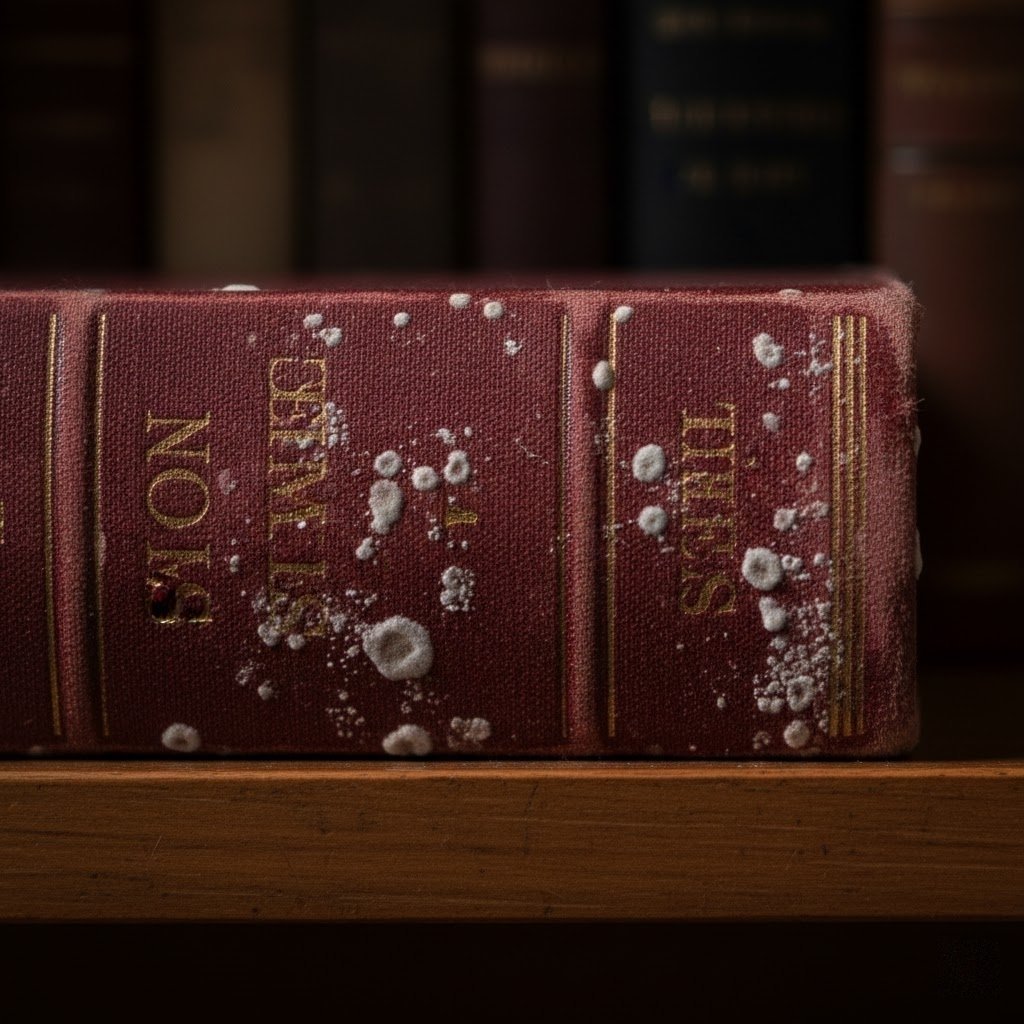
University mold removal often centers around busy areas like the UNM area and Nob Hill, where academic buildings, dorms, and student apartments cluster in mixed-age structures. These zones frequently experience flat-roof leaks and high occupancy moisture. In Downtown and Central Albuquerque, older campus satellite buildings and leased educational spaces may struggle with aging envelopes and varied HVAC systems, increasing the likelihood of hidden mold in basements and mechanical rooms. Facilities near Midtown / EDo and the International District often combine modern classroom spaces with older structures, creating complex moisture patterns that demand careful moisture mapping and HEPA-based containment. Across Northeast Heights and Uptown, smaller campuses and extension centers rely on Mold Removal Albuquerque to respond quickly after monsoon storms, when roof and window leaks can suddenly impact classrooms, labs, or student housing. Wherever your campus buildings sit across the Albuquerque metro, call 505-359-5669 for fast, local university mold removal support.
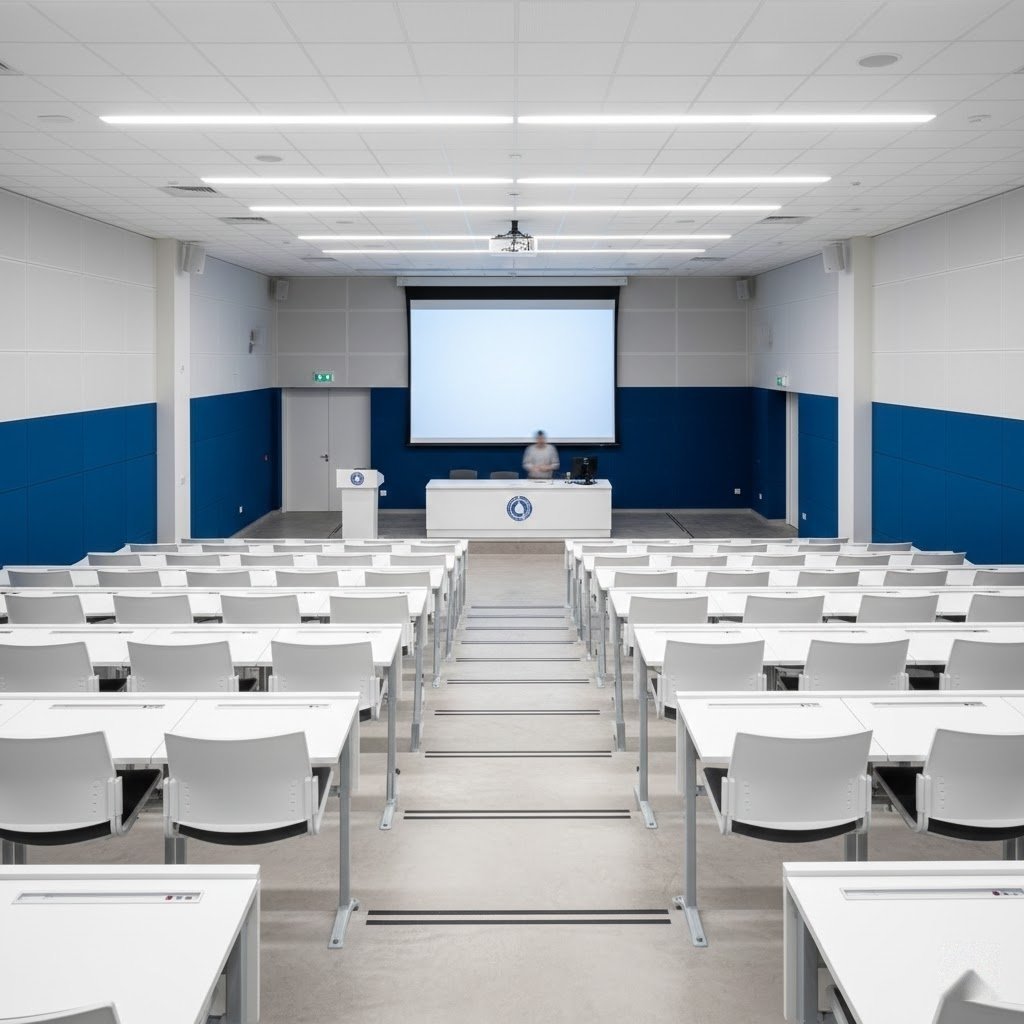
Professional university mold removal for campuses across the Albuquerque area, including the UNM corridor and surrounding neighborhoods.
Frequently Asked Questions: University Mold Removal
Mold in university buildings usually comes from roof leaks, bathroom and shower moisture, HVAC condensation, and plumbing leaks in dorms, labs, or restrooms. High occupancy and older building envelopes increase risk, especially during Albuquerque’s monsoon season.
Mold can trigger allergies, asthma, coughing, sinus irritation, and headaches in students and staff, especially in dorms and classrooms with poor air quality. Sensitive individuals may react more strongly and need clean, well-ventilated spaces.
Yes. Significant mold contamination can temporarily close dorms, classrooms, or entire wings if air quality is unsafe or repairs are extensive. Fast, professional remediation helps reduce closures and keeps campus operations on track.
Professionals inspect and map moisture, set up HEPA-filtered containment, remove or clean moldy materials, correct leaks and condensation, then restore finishes. The process follows IICRC, EPA, and OSHA guidance to protect students and staff.
Sometimes. For minor issues, students may stay in nearby rooms while work is isolated. For larger dorm problems, temporary relocation within campus housing or hotels may be necessary to maintain safety and comfort.
Project length depends on the number of buildings, rooms, and moisture sources. Small dorm wings may take a few days, while multi-building campus projects can span several weeks in carefully planned phases.
Yes. Mold and excess moisture can damage sensitive equipment, stored materials, and finishes in labs, archives, and libraries. Early remediation protects both infrastructure and research assets.
Prevention requires roof and envelope inspections, HVAC and drain maintenance, tight leak-response protocols, and monitoring humidity in dorms, bathrooms, gyms, and basements. Staff and student reporting is also key.
Yes. We coordinate with Environmental Health & Safety, facilities, and campus operations to align protocols, access, communication, and documentation with your internal standards.
Many policies cover mold related to sudden water events, but details vary. Our documentation supports your claims team or risk management department when they review coverage.
EEAT: Experience, Expertise, Authority, and Trust for Campus Projects
Mold Removal Albuquerque has years of experience serving the Albuquerque area, including complex commercial and educational environments, giving us a deep understanding of how local climate and building designs affect campus mold risk. Our teams follow IICRC S520–based remediation protocols, OSHA worker safety practices, and EPA-aligned antimicrobial use, demonstrating technical expertise that your EHS and facilities personnel can trust. We regularly deploy HEPA negative air, dehumidifiers, and moisture mapping tools to guide decisions.
Safety practices include formal job hazard analyses, PPE requirements, containment verification, and coordination with campus safety officials. We emphasize clear communication with university stakeholders before, during, and after each project. We measure success with metrics like rapid response times, the number of successfully remediated rooms and buildings, and positive long-term outcomes in follow-up inspections.
Testimonials: How clients benefit from our mold remediation work
“Mold Removal Albuquerque helped us address widespread dorm mold before students returned for the semester. Their team worked nights, set up professional containment, and kept our housing leadership informed at every step.” – Campus Housing Director, Albuquerque-area university
“We had roof leaks over multiple lecture halls and labs, and their crew coordinated perfectly with our facilities and EHS teams. Documentation, safety, and communication were exactly what we needed for internal approvals.” – University Facilities Manager
“They handled a complex mix of classrooms, offices, and mechanical rooms across campus. Our staff appreciated their organization and respect for schedules, and students noticed the improved air quality.” – Operations & Maintenance Supervisor
Micro Case Study (University Mold Removal)
A major Albuquerque campus discovered mold in multiple dorm floors after monsoon-season roof leaks. We inspected all affected buildings, installed HEPA containment, removed moldy drywall and ceiling tiles, corrected roof and HVAC issues, then restored finishes. Result: safe, cleared dorms reopened before student move-in. Call 505-359-5669 to achieve similar results.
Continue Exploring Mold Solutions
Strengthen your campus strategy by reviewing these related pages on your site:
- School Mold Remediation – Focused on K–12 and charter campuses.
- Dorm & Student Housing Mold Removal – Targeted services for residence halls and apartments.
- Commercial Mold Remediation – Broad service for offices, labs, and mixed-use buildings.
- Mold Prevention Services – Educational content for facility and EHS teams.
- Contact & Special Offers Page – Request inspections, proposals, and any current service promotions.
After reviewing these resources, you can return to this University Mold Removal page and call 505-359-5669 when you’re ready to move forward.
Ready to schedule mold remediation in the Albuquerque area?
University mold removal demands a partner who can manage large buildings, complex HVAC systems, and the expectations of students, faculty, parents, and administration. Mold Removal Albuquerque brings the equipment, training, and local experience to do exactly that. If you’re facing mold in a dorm, lab, classroom, or any campus facility, call 505-359-5669 now to speak with a university mold specialist, or submit a request through our contact page to schedule a campus-wide inspection and remediation plan. Protect your students, protect your buildings, and protect your university’s reputation today.