Professional Mold Assessment in Albuquerque, NM
Finding mold, strange odors, or unexplained moisture in your property can feel overwhelming and uncertain. Mold spreads with moisture, can impact indoor air quality, and may quietly damage drywall, framing, and insulation behind the surfaces you see. Mold Removal Albuquerque provides certified mold inspection and deep-diagnostic mold assessment services for homes and businesses throughout the Albuquerque area. We identify the source, map the moisture, and deliver a clear, written plan that aligns with EPA and IICRC guidelines so you know exactly what to fix, what to remove, and how to protect your building long-term—call 505-359-5669 to schedule your assessment.

How much does Mold Assessment cost in Albuquerque?
Mold assessment in the Albuquerque area typically ranges from $350 to $1,250+, depending on property size, number of rooms, level of detail, need for thermal imaging, and whether optional lab testing is added in neighborhoods like Nob Hill or Ventana Ranch. Larger commercial assessments in Downtown or multi-unit buildings in the Northeast Heights may cost more due to additional HVAC and structural evaluation. Because every property’s moisture and mold pattern is different, the most accurate pricing comes from a quick phone consultation and on-site visit—call 505-359-5669 for a customized mold assessment quote based on your situation.
What Mold Assessment is and how it differs from inspection and testing
Mold assessment is a formal, comprehensive evaluation that identifies where mold is present, how severe it is, what moisture sources are feeding it, and what remediation steps are needed to correct it. Unlike a basic mold inspection that may focus on visual signs only, a full assessment adds moisture mapping, thermal imaging, structural evaluation, and sometimes targeted air or surface sampling using lab-backed methods. This matters for Albuquerque homes and commercial buildings—whether you’re in Old Town with older plaster walls or in Mesa Del Sol with newer construction—because humidity, monsoon leaks, and swamp cooler issues often create hidden moisture in wall cavities, subfloors, and HVAC systems that a quick glance would miss. A true mold assessment follows concepts from IICRC S520 and EPA guidance, using tools like moisture meters, infrared cameras, and hygrometers to diagnose the root cause, not just the visible mold. For example, in a Nob Hill property with recurring bathroom mold, our assessment showed a hidden plumbing leak in the wall and poor exhaust, saving the owner from repeated surface-only cleanups. If you want a clear, technical picture instead of guesswork, call 505-359-5669 to schedule a full mold assessment.
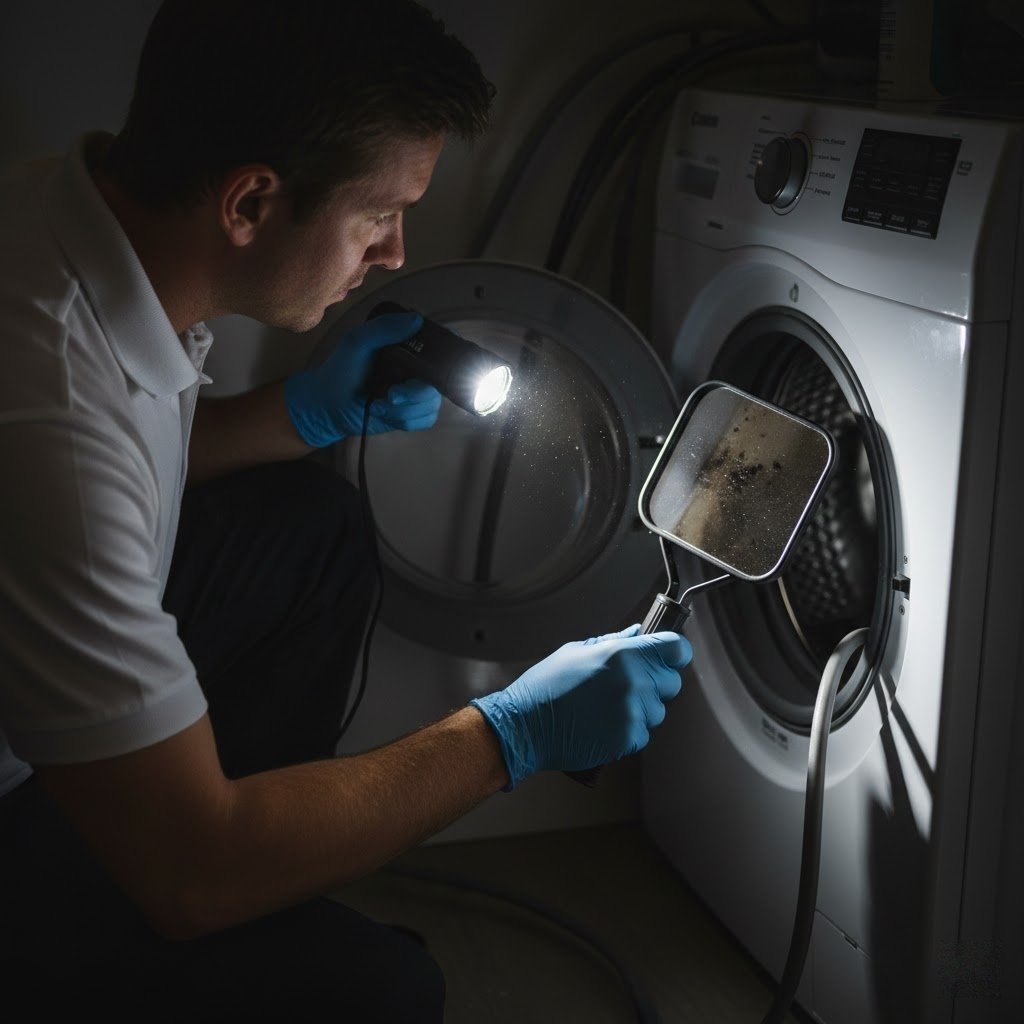
When you need a Mold Assessment instead of just a simple inspection
Mold assessment is needed when your situation is more complex, more severe, or more high-stakes than a basic visual inspection can handle. You may need a full assessment if mold keeps returning, if multiple rooms are affected, if you’re dealing with a real estate transaction, or if insurance is involved on a water damage claim in neighborhoods like Downtown, Uptown, or Westgate. This matters because severe or recurring mold often indicates deeper issues—such as high moisture content in framing, hidden leaks behind tile or stucco, or condensation from temperature swings—that require measurement and documentation, not just a quick look. A comprehensive mold assessment evaluates air quality risk, moisture levels, and structural conditions so your mold remediation plan is accurate and cost-effective. For example, a South Valley home with strong musty odors but limited visible growth needed a full assessment; moisture meters and thermal imaging revealed damp wall cavities along a plumbing run, guiding targeted removal instead of tearing out half the house. If your mold problem feels bigger than a simple “spot clean,” call 505-359-5669 to book a mold assessment.
You should strongly consider a full mold assessment if:
- Mold has returned after previous cleanup
- You see issues in multiple rooms or floors
- Family members experience symptoms at home but not elsewhere
- You’re under contract to buy or sell a property with known water damage
- Insurance, property management, or legal documentation is required
A focused assessment protects you from underestimating the risk—and from overspending on work you don’t need. Call 505-359-5669 to discuss whether your case calls for a full diagnostic assessment.
What’s included in a professional Mold Assessment report
Mold assessment includes far more than “you have mold in this room.” Our assessment delivers a structured report that covers visual findings, moisture readings, thermal imaging results, suspected mold sources, damage severity, affected square footage, and recommended steps for remediation and repair. We inspect accessible areas of your Albuquerque property—living spaces, bathrooms, basements, attics, crawl spaces, and sometimes HVAC components—using tools like moisture meters, hygrometers, borescopes, and air sampling pumps where appropriate. This matters in neighborhoods like Sandia Heights, Paradise Hills, and the International District because building styles, materials, and HVAC layouts change the way mold and moisture behave, and your report should reflect those nuances. A thorough mold assessment report gives you a road map that contractors and insurance adjusters can follow, reducing misunderstandings and helping keep mold cleanup aligned with IICRC and EPA concepts. For instance, a Mesa Del Sol homeowner used our report—complete with moisture maps and photos—to coordinate remediation and partial drywall replacement without unnecessary demolition. If you want a report that actually drives smart action, call 505-359-5669 to schedule your mold assessment.
A typical report from Mold Removal Albuquerque can include:
- Summary of concerns and property history
- Visual findings and photographs
- Moisture mapping with meter readings by area
- Thermal imaging highlights showing possible hidden moisture
- Observed mold growth locations and likely extent
- Structural or material concerns tied to moisture
- Optional lab test summaries (if testing added)
- Clear, prioritized recommendations for remediation and prevention
This diagnostic clarity is what turns a confusing mold situation into a manageable plan—call 505-359-5669 to get started.
Our Mold Assessment process step by step
Professional mold assessment follows a structured, multi-step process to identify where mold is, why it’s there, and how severe the damage and risk are. At Mold Removal Albuquerque, we combine an in-depth client interview with visual inspection, moisture mapping, thermal imaging, and, when appropriate, focused air or surface sampling to build a detailed, IICRC-informed profile of your property. This matters for homes in Nob Hill, Old Town, and the South Valley just as much as for office spaces Downtown or retail spaces in Uptown, because misdiagnosing the source or missing a critical moisture pattern can lead to failed remediation and wasted money. Our step-by-step approach—using tools like moisture meters, infrared cameras, hygrometers, borescopes, and HEPA-backed safety practices—helps protect your air quality, your structure, and your budget. If you want an assessment process that feels like real building science, call 505-359-5669 to set up an appointment.
Client interview and background review
Mold assessment begins with a focused interview and background review to understand your concerns, history of leaks, prior repairs, and any health symptoms people notice in the property. We ask about roof leaks, plumbing issues, swamp cooler events, monsoon-related water entry, and HVAC use patterns across spaces from Taylor Ranch to Southeast Heights. This matters because mold problems often have a story—maybe a past overflow, a roof that was never fully repaired, or a bathroom fan that vents into the attic—and knowing that story guides where we inspect, what we measure, and how we interpret readings from hygrometers and moisture meters. The better we understand your situation, the more accurately we can identify root causes and severity. For example, a homeowner in Four Hills Village mentioned a “minor” roof leak five years prior; that detail helped us focus infrared scanning on an area of the ceiling where the thermal image showed a cooler, moisture-prone patch. If you want your assessment to start with listening, not assumptions, call 505-359-5669.
Visual mold and moisture inspection
After the interview, we perform a systematic visual inspection of accessible areas—walls, ceilings, flooring, baseboards, windows, bathrooms, kitchens, attics, crawl spaces, and often mechanical rooms. We look for discoloration, staining, bubbling paint, warped flooring, cracked caulk, and visible fungal growth, while also noting signs of high humidity such as condensation on windows or musty odors. This matters in Albuquerque because different neighborhoods—like older homes near Old Town, stucco exteriors in the Northeast Heights, and newer builds in Ventana Ranch—show moisture differently due to construction methods and local microclimates. A disciplined visual inspection sets the stage for targeted moisture readings and thermal imaging, ensuring that we prioritize zones where mold, air quality, and structural risk intersect. In a South Valley property, for example, subtle staining behind a baseboard led us to discover a larger moisture pattern beneath the flooring. If you want more than a “drive-by” look, call 505-359-5669 for a detailed visual assessment.
Moisture mapping and measurement
Moisture mapping is the heart of professional mold assessment, using digital moisture meters and hygrometers to measure moisture content in building materials and relative humidity in the air. We test drywall, baseboards, subflooring, and sometimes framing in high-risk areas, building a “map” that shows where moisture is elevated and how far it has spread in your Albuquerque property. This matters because mold is fundamentally a moisture-driven problem; without quantifying moisture levels, it’s easy to underestimate hidden mold behind walls, in crawl spaces, or under flooring. Moisture mapping, aligned with IICRC and EPA concepts, lets us distinguish between cosmetic staining and active risk, so your remediation plan is right-sized and targeted. For example, in a Nob Hill condo, moisture readings were high on only one side of a shared wall near a bathroom; that allowed the HOA and owner to focus demolition and containment efficiently. If you want to see the moisture picture behind your mold issue, call 505-359-5669.
Thermal imaging scan for hidden moisture
We often complement moisture mapping with infrared thermal imaging to identify temperature patterns that may indicate hidden moisture in wall cavities, ceilings, or floors. Using a thermal camera, we scan suspect areas for cooler or uneven temperature zones that might suggest trapped water from roof leaks, plumbing failures, or condensation issues, particularly in areas like Sandia Heights, Westgate, or High Desert where monsoon storms and elevation changes impact building envelopes. This matters because not all moisture shows on the surface, and opening walls blindly is expensive and disruptive. Thermal imaging, used alongside moisture meters, helps us decide where further investigation or limited demolition is warranted, protecting both your budget and your structure. In one Ventana Ranch home, a thermal scan showed a cold stripe along a ceiling, leading us to a slow roof leak that had not yet stained the drywall. If you want advanced imaging to support your assessment, call 505-359-5669.
HVAC, attic, and crawl space evaluation
A thorough mold assessment includes evaluating HVAC systems, attics, and crawl spaces, since these areas move air and moisture through your building. We inspect ductwork for visible growth, examine attic sheathing and framing for staining and moisture, and check crawl spaces or slab edges for dampness and ventilation issues across neighborhoods like Nob Hill, Old Town, South Broadway, and Mesa Del Sol. This matters because even if living spaces look clean, mold in supply ducts, return plenums, or damp crawl spaces can influence whole-building air quality and cause recurring issues. Using flashlights, borescopes, moisture meters, and sometimes HEPA-backed containment for heavy contamination, we assess whether these areas play a role in your mold problem. For example, a property near the UNM Area had recurring living room mold that traced back to a damp crawl space with poor ventilation; improving that space was key to long-term control. If you suspect your HVAC mold removal needs, call 505-359-5669.
Air and surface sampling (when appropriate)
Mold assessment may include air or surface sampling, but we only recommend it when it adds value—such as for health concerns, real estate documentation, or borderline situations where visual and moisture data leave questions. Using air pumps, cassette spore traps, and swab or tape lift kits, we collect samples for analysis at an accredited lab, comparing indoor spore levels to an outdoor baseline following recognized practices. This matters because random or unnecessary mold testing can add cost without clarifying what needs to be done, while targeted testing can help validate remediation scope or support insurance and transaction decisions across Albuquerque—especially in higher-stakes deals near Uptown or Downtown. By grouping sampling decisions with moisture and visual findings, we provide balanced guidance instead of over-selling lab work. For instance, a Northeast Heights buyer requested testing only in areas with elevated moisture and staining, resulting in a more meaningful and cost-effective panel of lab results. If you’re unsure whether testing should be part of your assessment, call 505-359-5669 to talk it through.
Severity ranking, recommendations, and written report
Once data is collected, we rank severity, identify root causes, and craft clear recommendations in a written report tailored to your property. We consider moisture readings, visible contamination, structural impacts, and, if used, lab results to assign a relative risk level for each area—mild, moderate, or severe—aligned with the spirit of IICRC S520 guidance. This matters because remediation contractors, insurers, and property owners in areas like Taylor Ranch, Paradise Hills, and the South Valley need a concise answer to “how bad is it?” and “what exactly should we do first?” The final mold assessment report becomes the blueprint for containment, removal, drying, and repair, helping prevent both under-treatment and over-treatment. A property manager handling multiple rentals used our reports to prioritize which units needed urgent remediation and which required only monitoring and minor repairs. If you want a clear, prioritized plan instead of vague advice, call 505-359-5669 for a full mold assessment.
Tools and technology we use during Mold Assessment
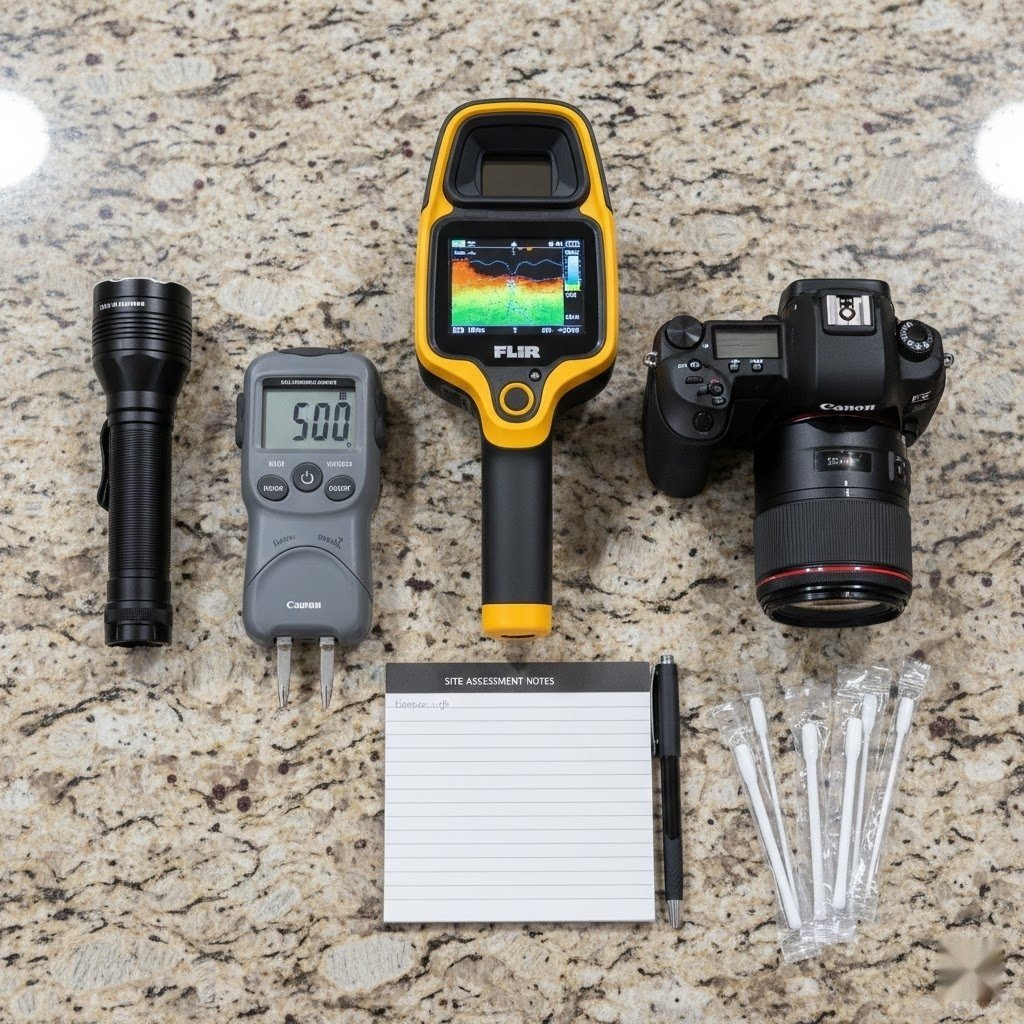
Professional mold assessment uses specialized tools that go far beyond a flashlight and tape measure. We rely on digital moisture meters, infrared thermal cameras, hygrometers, borescopes, air sampling pumps, and sometimes HEPA-filtered devices for safety when evaluating heavy contamination. This matters in Albuquerque neighborhoods like Downtown, Nob Hill, North Albuquerque Acres, and Four Hills Village because building materials (drywall, plaster, stucco, adobe), insulation types, and HVAC designs can mask moisture and mold in ways that demand technical detection methods. By combining tangible tools with abstract concepts like air quality, moisture migration, and contamination risk—and grounding decisions in standards such as IICRC S520 and EPA mold evaluation guidance—we produce an assessment that reflects actual building science. For example, we used a borescope and meter to confirm hidden mold in a wall cavity of an Uptown office suite, allowing targeted remediation with minimal downtime. If you want your assessment powered by advanced tools rather than guesswork, call 505-359-5669.
Our core assessment toolkit includes:
- Moisture meters – measure moisture content in drywall, wood, and flooring
- Infrared thermal cameras – identify temperature variations that may signal hidden moisture
- Digital hygrometers – track indoor relative humidity and dew point
- Borescopes – view inside wall and ceiling cavities with minimal openings
- Air sampling pumps and cassettes – capture airborne spores when testing is appropriate
- Swab and tape lift kits – gather samples from suspect surfaces for lab analysis
Combined, these tools help us inspect, identify, and document issues thoroughly so your remediation plan is precise and efficient. To schedule an assessment that uses the right technology for your building, call 505-359-5669.
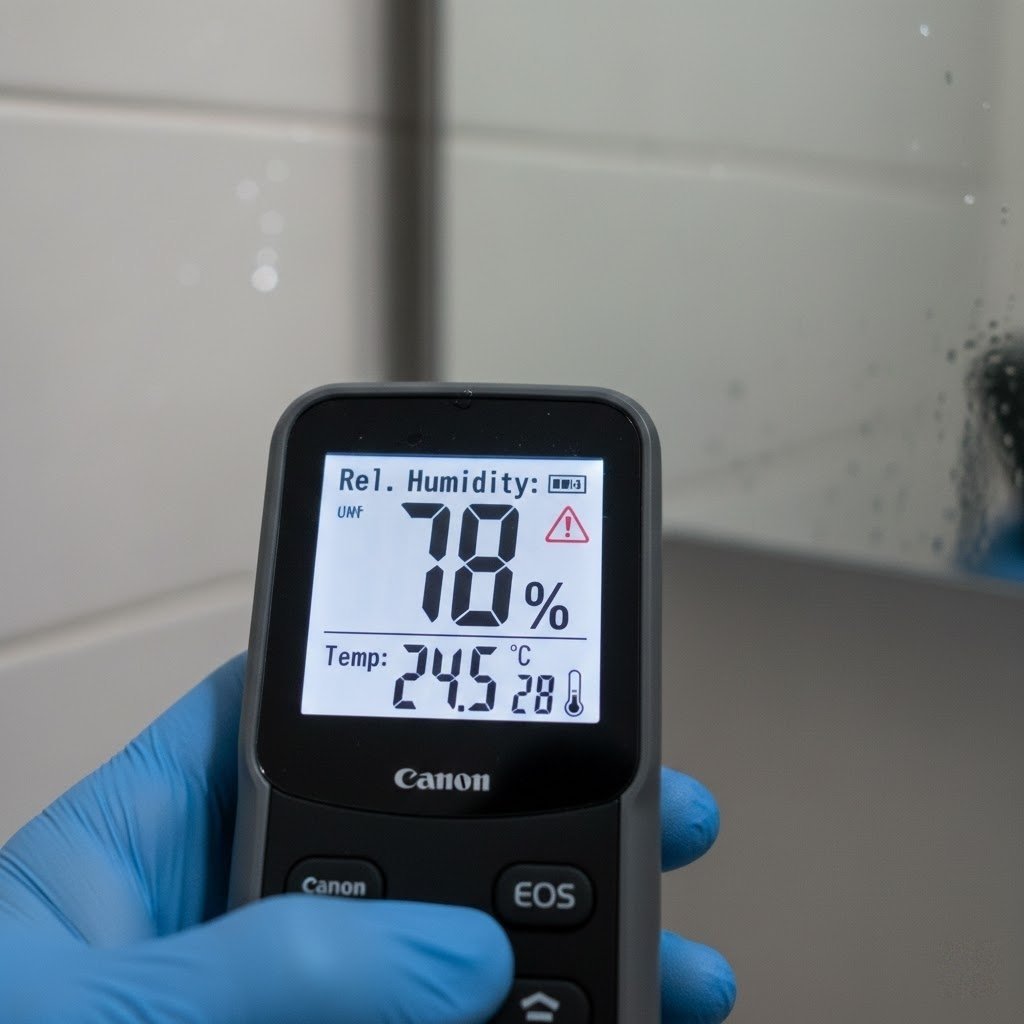
Residential and commercial Mold Assessment across Albuquerque
Residential and commercial mold assessments share common principles—identify moisture, quantify risk, and map contamination—but they differ in risks, requirements, equipment scale, documentation, and speed. In single-family homes, condos, and rentals across Nob Hill, Old Town, Mesa Del Sol, and Ventana Ranch, we focus on occupant health, structural protection, and cost-effective remediation planning while minimizing disruption to families. In commercial spaces—offices Downtown, restaurants in Uptown, schools near the UNM Area, and warehouses along the Westside—we also consider employee safety, operations downtime, code-related expectations, and more complex HVAC systems, often requiring more extensive reporting and coordination. This matters because an assessment for a small home bathroom problem is nothing like a multi-zone assessment for a school or medical office with widespread humidity issues. Matching resources, tools, and documentation to each property type helps ensure that remediation is safe, defensible, and practical. For example, a property manager for multiple units in the International District needed consistent assessment templates to guide vendors and reduce repeat mold complaints; our standardized reports met that need. If you manage homes or commercial buildings that may have mold issues, call 505-359-5669 to arrange appropriate assessments.
Why Mold Assessment matters before remediation or repair
Mold assessment matters because it protects your property, your health, and your budget by identifying the real problem before anyone starts tearing out walls or spraying chemicals. A proper assessment determines where mold is, how far moisture has spread, whether structural integrity is at risk, and what level of remediation is appropriate according to IICRC S520 and EPA-aligned guidance in the Albuquerque climate. This matters in neighborhoods from Sandia Heights and High Desert to the South Valley and Westgate because roof leaks, swamp cooler failures, and monsoon storms can send moisture into unexpected places—like insulation, framing, and behind stucco—where it quietly causes damage. Without a full assessment, remediation can miss hidden pockets of mold, leaving spores and moisture behind and leading to recurring problems and higher long-term costs. For instance, a Taylor Ranch homeowner initially planned a small bathroom cleanup; our assessment showed moisture reaching into a neighboring closet and subfloor, helping them avoid a costly “redo” later. If you want remediation to be right the first time, call 505-359-5669 to schedule your mold assessment.
Mold Assessment tailored to Albuquerque neighborhoods and building styles
Mold assessment in Albuquerque must account for local construction, humidity patterns, and leak scenarios that change from neighborhood to neighborhood. In Old Town and Downtown, older a mix of homes and commercial buildings may feature plaster walls, crawl spaces, and older roofs, making moisture mapping and borescope use essential to find hidden mold behind finishes. In Nob Hill, the UNM Area, and Midtown/EDo, mid-century and renovated properties often rely on older plumbing and bathroom exhaust systems, which can create chronic humidity and mold around showers and kitchens that our moisture meters and thermal cameras help pinpoint. In foothill neighborhoods like Sandia Heights, High Desert, and Four Hills Village, wind-driven rain and temperature swings can drive moisture into roof assemblies and stucco, requiring careful attic and exterior wall assessment. And in newer communities like Mesa Del Sol, Ventana Ranch, and Northwest Heights, modern HVAC systems, tight envelopes, and occasional construction defects demand attention to ventilation and condensation patterns. This local understanding matters because it lets us inspect, identify, and recommend solutions that match real Albuquerque conditions, not generic checklists. For an assessment grounded in how your specific neighborhood’s buildings behave, call 505-359-5669.
Mold Removal Albuquerque provides advanced mold assessment, moisture mapping, and thermal imaging throughout the metro area, from historic Old Town and central Downtown to Nob Hill, Sandia Heights, Ventana Ranch, Mesa Del Sol, and Four Hills Village.
Why choose Mold Removal Albuquerque for Mold Assessment
Mold Removal Albuquerque stands out because we treat mold assessment as a technical discipline, not a quick add-on. Our team combines field experience in the Albuquerque area with specialized tools—moisture meters, infrared cameras, hygrometers, borescopes, and targeted sampling—while aligning recommendations with the intent of IICRC S520 and EPA mold evaluation guidance. This matters whether you’re a homeowner in Nob Hill, a landlord in the International District, a property manager in Uptown, or a business owner Downtown, because you need a report that remediation contractors, buyers, and insurers can trust. We focus on identifying root causes, documenting moisture and damage, and providing clear, prioritized action steps rather than pushing unnecessary testing or oversize projects. In one example, we helped a Paradise Hills investor avoid over-demolition by pinpointing the actual moisture pattern in half of a duplex, protecting both their budget and their tenant’s comfort. If you want a mold assessment that feels like real building science and not a sales pitch, call 505-359-5669.
With Mold Removal Albuquerque, you can expect:
- Thorough interviews and background review before inspection
- Visual and moisture-based assessment, not just quick surface checks
- Use of advanced tools where they add clear value
- Straightforward, written recommendations and clear communication

Mold prevention steps after your Mold Assessment
Mold assessment is the diagnostic starting point; prevention is how you win long-term. After we deliver your report, we help you understand how to correct moisture sources, improve ventilation, and manage indoor humidity so mold is less likely to return in your Albuquerque property. This may include verifying roof and flashing repairs, fixing plumbing and appliance leaks, upgrading bathroom and kitchen exhaust fans, adding dehumidification in basements or crawl spaces, and fine-tuning HVAC operation in neighborhoods across Nob Hill, South Valley, and Sandia Heights. This matters because even the best remediation can fail if moisture conditions remain favorable for mold growth; ignoring humidity and condensation means repeating the same cycle of damage and cleanup. By tying our assessment findings into practical mold prevention tips, we protect both your indoor air quality and your investment. For example, a Mesa Del Sol home significantly reduced mold risk after improving duct balancing and adding a simple humidity monitor based on our recommendations. If you want help turning assessment insights into long-term prevention, call 505-359-5669.
FAQs about Mold Assessment in Albuquerque
A mold assessment is a comprehensive evaluation that identifies mold-affected areas, moisture sources, and severity, then delivers a written report with recommendations for remediation and prevention.
A mold inspection is usually a basic visual check, while a mold assessment adds moisture mapping, thermal imaging, structural evaluation, and sometimes testing to create a detailed remediation plan.
No. Testing is optional and recommended when it supports decisions—such as health concerns, insurance documentation, or borderline findings—not as an automatic add-on in every case.
Most residential mold assessments take 1–3 hours on-site, depending on size and complexity, with reports typically delivered after data review and documentation.
You should get an assessment when mold is severe, recurring, multi-room, or tied to real estate or insurance, or when you need detailed guidance about moisture and structural risk.
Yes. By combining moisture meters, thermal imaging, and borescopes, assessments can often identify likely hidden mold inside walls, ceilings, and floors without unnecessary demolition.
Coverage varies by policy. Some insurers may contribute when assessment supports a covered water damage event, but it’s best to check your policy and ask your adjuster directly.
For larger or complex jobs, assessment is strongly recommended—and often expected—because it defines the scope, containment needs, and repair plan for proper remediation.
Our experience, safety practices, and quality focus
Mold Removal Albuquerque brings extensive experience evaluating homes, rentals, and commercial properties across Old Town, Downtown, Nob Hill, Ventana Ranch, Sandia Heights, and beyond. Our mold assessment work is informed by IICRC S520 concepts for mold and S500 principles for water damage, as well as EPA and OSHA-conscious safety practices during high-risk evaluations. This matters because mold assessment often involves entering attics, crawl spaces, and heavily impacted rooms where airborne particles and moisture levels demand caution. We use PPE such as respirators, gloves, and sometimes disposable suits, and we deploy HEPA air filtration when conditions warrant to protect both our team and your property. Our focus on careful measurement, thorough documentation, and transparent recommendations helps real estate professionals, property managers, and homeowners make informed decisions instead of reacting under pressure. If you want an assessment anchored in real-world experience and safety, call 505-359-5669.
Our quality mindset shows up in:
- Rapid response windows for urgent concerns
- Detailed, easy-to-read reports with photos and moisture data
- Coordination with remediation contractors and adjusters when requested
- A consistent, methodical approach across every property we assess
Testimonials: What clients appreciate about our Mold Assessments
Property owners across Albuquerque consistently emphasize how our clear explanations and detailed reports gave them confidence to move forward. A Nob Hill homeowner appreciated that we used moisture meters, thermal imaging, and plain-language recommendations instead of technical jargon. A Downtown office manager valued our flexibility in performing assessments outside peak work hours to minimize disruption. A landlord in the International District highlighted how consistent assessment templates helped standardize remediation across multiple rental units, reducing future complaints and vacancies. These experiences matter because mold issues can be stressful, and having a calm, methodical expert on your side makes decisions easier. If you’d like that same level of clarity and support during your mold situation, call 505-359-5669.
Mold Assessment micro case study
A Northeast Heights homeowner noticed recurring bedroom odors despite repeated cleaning. Our mold assessment used moisture mapping and thermal imaging to find a hidden wall leak from an upstairs bath. Targeted remediation followed our report, odors stopped, and a later buyer’s inspector validated the repairs—call 505-359-5669 to begin.
Related services and internal resources
Mold assessment is often the first step in a full mold management plan, and Mold Removal Albuquerque can support you at every stage. Using the findings from your assessment, we can coordinate or refer to the right follow-up services so you’re never left guessing what to do next. This matters whether you’re in a single-family home in Four Hills Village or managing multiple commercial spaces in Uptown, because a clear path from diagnosis to solution reduces both stress and cost. On our website, you’ll find related services and resources that complement mold assessment:
- Mold Inspection – initial visual evaluations for simpler concerns
- Mold Testing – air and surface sampling when lab data is needed
- Mold Remediation / Mold Cleanup – containment, removal, HEPA cleaning, and antimicrobial treatment
- Mold Containment Services – negative air, poly sheeting, and critical barriers for safe remediation
- Mold Damage Repair & Mold Restoration – structural repair, drywall replacement, and finishing after remediation
- Crawl Space and Attic Mold Services – targeted work in frequent high-risk zones
- Blog articles – education on monsoon leaks, swamp cooler moisture, and humidity control in Albuquerque
- Special offers and service bundles – periodic savings on combined assessment + remediation packages
- Contact page – request a mold assessment, ask questions, or upload prior reports for review
If you’re planning your next steps after an assessment—or still deciding if you need one—call 505-359-5669 and we’ll help you line up the right services.
Ready to schedule your Mold Assessment in Albuquerque?
If you’re seeing mold, smelling musty odors, or dealing with unexplained moisture, the most powerful step you can take right now is a professional mold assessment. Mold Removal Albuquerque will inspect your property, map moisture, use thermal imaging and other tools where needed, and deliver a clear, written report with prioritized recommendations. This matters because acting without a proper assessment can lead to incomplete remediation, wasted money, and lingering risk—while a technical, IICRC-informed assessment gives you a roadmap to protect your air quality, your structure, and your investment. Whether you’re a homeowner, landlord, property manager, or business owner anywhere from Old Town and Downtown to Sandia Heights and Ventana Ranch, we’re ready to help you understand exactly what you’re facing. Call 505-359-5669 or visit our contact page today to schedule your mold assessment and move from uncertainty to a clear plan.