Professional Mold Damage Repair in Albuquerque, NM
Finding out that mold has damaged your walls, ceilings, or floors can make your home or business feel unsafe and overwhelming. Mold doesn’t just stain drywall—it can weaken materials, warp surfaces, and hide long-term moisture problems behind finishes. Mold Removal Albuquerque provides full mold damage repair serving the Albuquerque area, rebuilding everything from small drywall sections to structural components after remediation is complete. We restore your property safely and correctly so it looks good, feels solid, and is ready for everyday living again—call 505-359-5669 to schedule a mold damage repair assessment.
How much does Mold Damage Repair cost in Albuquerque?
Mold damage repair in the Albuquerque area typically ranges from $850 to $15,000+, depending on the square footage of damaged drywall, insulation, framing, and flooring, plus access, finishes, and material choices. A small ceiling repair in Nob Hill costs far less than multi-room reconstruction in Sandia Heights or a commercial build-back in Uptown. Because every project follows unique moisture and mold patterns, the best way to get an accurate number is to call 505-359-5669 for a site-specific repair quote after mold remediation.
What mold damage repair is and how it restores your structure
Mold damage repair restores or replaces building materials that have been weakened, stained, or compromised by mold and the moisture that feeds it. After mold remediation removes the colonies and cleanup improves air quality, repair work focuses on rebuilding drywall, insulation, framing, subfloors, baseboards, cabinets, and finishes back to a strong, clean condition. This distinction matters because simply “killing” mold on the surface doesn’t fix sagging ceilings, soft walls, or warped floors that can appear months after a leak in neighborhoods like Downtown, Nob Hill, or Ventana Ranch. By treating structural repairs as a dedicated phase, we protect your property value, improve comfort, and get you back to a space that feels solid and safe. For example, a small roof leak in an Uptown home led to hidden damage behind a living room wall, and our team removed mold-damaged drywall, treated framing, and rebuilt with fresh texture and paint. If you want a full recovery—not just stain removal—call 505-359-5669 to discuss mold damage repair.

Signs that mold has damaged your walls, ceilings, or floors
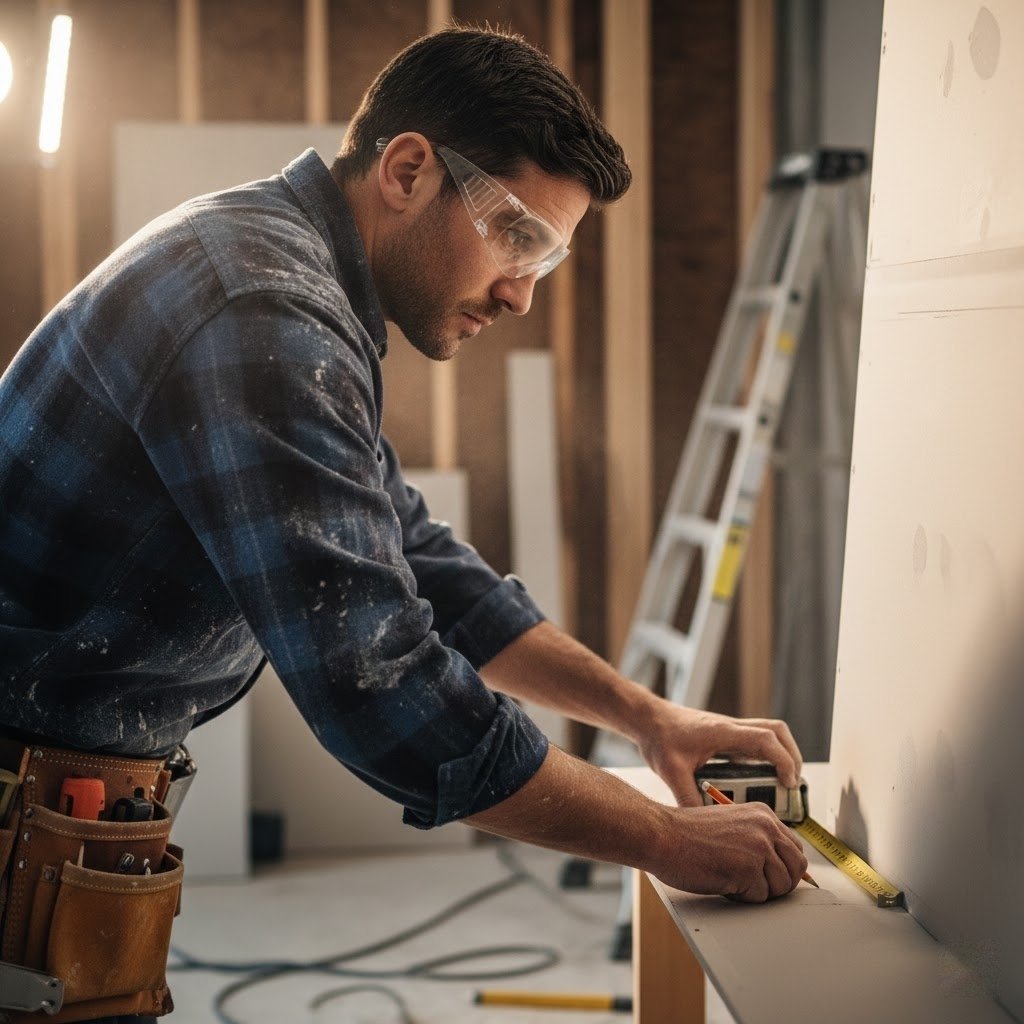
Mold damage repair starts with recognizing when materials have gone past simple cleaning and require cut-out and rebuild. Mold damage often shows up as soft drywall, bubbling paint, warping floors, or dark stains that keep returning even after you wipe them away. These symptoms matter because they tell you that moisture has been working inside the wall cavity, ceiling, or subfloor, slowly breaking down drywall, insulation, and wood in Albuquerque homes and businesses from Old Town to Mesa Del Sol. Spotting these early lets you act before a sagging ceiling, crumbling baseboard, or spongy floor turns into a larger structural problem. For instance, a homeowner in the Northeast Heights noticed rippling paint and a musty odor above a window; behind the surface, mold had eaten through the paper on the drywall and affected the insulation, requiring targeted repair rather than another coat of paint. If you see any of these warning signs, call 505-359-5669 for a mold damage inspection before the problem grows.
Materials most commonly damaged by mold in Albuquerque buildings
Mold damage typically targets materials that hold moisture and contain cellulose, such as drywall, paper backing, carpet, wood, and some types of insulation. Drywall can soften and crumble, insulation can clump and lose performance, and framing lumber can show dark staining and surface decay when moisture levels stay elevated over time. This matters in Albuquerque homes and commercial spaces that experience roof leaks, swamp cooler problems, or plumbing failures—especially in areas like the South Valley, Paradise Hills, and Four Hills Village where older construction and unique materials are common. Knowing which materials can be cleaned and which must be replaced protects both your budget and your safety. For example, a Mesa Del Sol home with mold behind a bathroom wall required full replacement of wet drywall and fiberglass insulation, but the slightly stained framing was treated and saved, keeping repair costs under control. If you want a clear plan for what to repair, what to replace, and what to treat, call 505-359-5669.
Drywall and ceilings
Mold-damaged drywall and ceilings are among the most common repair items after remediation. When mold grows on drywall, it feeds on the paper facing, and moisture breaks down the gypsum core until surfaces feel soft, crumbly, or wavy. This matters because even if colonies are removed, compromised drywall can’t support fixtures, textures, or paint and may fail later in homes and businesses from Nob Hill to Uptown. We inspect drywall using moisture meters and tactile checks, then cut out damaged sections in controlled areas, replace with new panels, tape, mud, texture, and paint to blend with surrounding surfaces. In one Downtown condo, a small but persistent leak above a hallway resulted in mold-stained, sagging ceiling drywall; after remediation, we replaced the affected section and restored the ceiling so you’d never know there was a problem. If your walls or ceilings feel soft or uneven after mold, call 505-359-5669 for professional drywall repair.
Insulation and wall cavities
Insulation behind mold-damaged walls often holds moisture and organic dust, making it a prime spot for growth and long-term odor. Once insulation gets wet and moldy, it usually loses both its R-value and cleanliness, so our teams remove saturated sections during the repair phase and replace them with fresh fiberglass or appropriate materials. This matters because leaving contaminated insulation in wall cavities around Albuquerque—especially in older homes in Old Town, the South Valley, or North Albuquerque Acres—can allow residual odors and spores to linger even after surfaces look clean. By combining moisture measurements, inspection, and targeted removal, we prevent future cold spots, condensation issues, and hidden mold recurrence. For example, a Ventana Ranch home with a long-term window leak had mold in the insulation below the sill; replacing that insulation as part of the repair prevented the musty smell from returning. If you’re concerned about what’s inside your walls, call 505-359-5669.
Subfloors, flooring, and framing
Mold and moisture can work their way into subfloors and framing, especially around bathrooms, kitchens, basements, and laundry areas. We evaluate wood subfloors and framing lumber with moisture meters to determine whether they can be dried and treated or require partial replacement. This matters around Albuquerque where swamp cooler leaks, monsoon storms, and plumbing failures can soak floors in neighborhoods like Sandia Heights, Paradise Hills, and Downtown. Salvaging sound but stained framing with antimicrobial treatments and sealants can save money, while still replacing any softened, rotten, or structurally compromised sections. In a Northeast Heights home, for instance, a washing machine leak caused mold on the subfloor under the laundry room; after remediation, we dried the wood to safe levels, repaired a small damaged section, and installed new flooring. If you suspect mold has reached your flooring or framing, call 505-359-5669 for a structural assessment.
Our mold damage repair process
Professional mold damage repair follows remediation and focuses on restoring building materials safely and correctly. Our process begins with a post-remediation inspection, then moves through controlled demolition, structural drying, treatment of framing, and full reconstruction—including texture, paint, trim, and finishes. This matters because skipping steps or rebuilding on damp materials can lead to recurring mold, cracked finishes, or structural issues, especially in Albuquerque properties that already faced water damage from monsoon storms or plumbing leaks. By treating repair as a structured sequence, we protect your investment and your indoor air quality in neighborhoods like Nob Hill, Old Town, Uptown, and Mesa Del Sol. If you want your rebuild done with the same discipline as the remediation, call 505-359-5669.
Post-remediation inspection and moisture verification
Before any rebuild, we verify that mold remediation is complete and that moisture levels are within safe ranges. Using moisture meters and sometimes thermal imaging, we check walls, ceilings, framing, and subfloors for residual dampness that could undermine new materials. This matters because rebuilding too early—especially in water-damaged homes in Ventana Ranch, Sandia Heights, or the South Valley—traps moisture behind new drywall and flooring, inviting mold to return. Confirming dryness and cleanliness lets us move forward with confidence and protects your repair budget from repeat work. For example, in a Downtown office, we delayed ceiling panel replacement by a short time until mechanical dehumidifiers had brought moisture levels down to acceptable levels. If you want confirmation that your structure is ready for rebuild, call 505-359-5669.
Determining salvageable vs. non-salvageable materials
Next, we categorize each affected material as salvageable, treatable, or non-salvageable based on contamination, structural condition, and moisture history. Drywall, insulation, and carpet are often classified as non-salvageable once they’ve been moldy, while framing, subfloors, and some structural components can sometimes be treated and saved. This step matters because it balances safety, building codes, and your budget in properties across Albuquerque—from adobe-style homes in Old Town to newer construction in Mesa Del Sol. Clear decisions on what stays and what goes prevent “half-done” repair attempts that fail down the road. In one Nob Hill project, we removed mold-damaged baseboard and drywall but retained the sound framing after treatment, cutting costs without compromising safety. If you want honest guidance on save vs. replace, call 505-359-5669.
Controlled demolition and debris removal
Controlled demolition removes mold-damaged materials without spreading dust and debris through clean parts of the building. Working within containment and using HEPA vacuums, we cut out affected drywall, pull damaged insulation, remove compromised trim, and detach unsalvageable cabinets or flooring sections. This matters because demolition done without HEPA capture or protection can contaminate nearby rooms and undo the benefits of earlier remediation, especially in multi-room homes and commercial spaces in Uptown and Downtown. By cutting neat, retrim-able lines and bagging debris carefully, we set the stage for smooth reconstruction and easier blending with existing finishes. For example, in a Paradise Hills home, we removed only the lower four feet of drywall around a bathroom leak, making it easier to re-install trim and match textures. If you want demolition that respects both cleanliness and future aesthetics, call 505-359-5669.
Structural drying and wood treatment
Once damaged materials are removed, we ensure that remaining structural components—like studs, plates, and subfloors—are dry and treated. We use air movers, dehumidifiers, and targeted antimicrobial products to bring moisture levels down and provide a clean, stable foundation for new work. This matters in Albuquerque’s climate, where monsoon-related leaks, swamp coolers, and plumbing issues can soak wood in homes from the South Valley to North Albuquerque Acres. Proper drying and optional sealing help protect against future mold and lessen odors tied to past damage. In one Four Hills Village property, thorough drying and treatment allowed us to save most of the framing under a moldy bathroom while still providing long-term protection. If you want your restored areas to last, call 505-359-5669.
Replacement of damaged materials and reconstruction
After the structure is ready, we begin reconstruction with new drywall, insulation, subfloor panels, trim, and finishes. We install materials to meet or exceed original standards and often recommend mold-resistant drywall or upgraded insulation in key areas such as bathrooms, laundry rooms, and basements. This matters because using better-suited materials can help reduce future risk in Albuquerque homes and commercial spaces affected by leaks, especially in Nob Hill, Mesa Del Sol, or Ventana Ranch. We tape, mud, texture, prime, and paint surfaces to blend new work with existing finishes so the repaired area feels like it has always belonged. For example, in a Downtown condo, we matched an existing orange-peel texture on walls and ceilings so the repaired areas were indistinguishable from the rest of the unit. If you want a finished look—not just patched panels—call 505-359-5669.
Mold damage repair for different areas of your property
Mold damage rarely hits every area the same way, and repair strategies change depending on whether we’re working on walls, ceilings, bathrooms, kitchens, basements, crawl spaces, or attics. We adapt our methods to each zone, considering moisture sources, materials, and access challenges in Albuquerque homes from Old Town and Nob Hill to Sandia Heights and Mesa Del Sol. This matters because the right repair choices in a bathroom may not be the same as in a crawl space or office ceiling, and using a one-size-fits-all approach can lead to repeat problems. For example, repairing mold damage under a shower pan in the Northeast Heights requires different steps than fixing a closet ceiling near a swamp cooler. If you want tailored solutions for each area, call 505-359-5669.
Walls and ceilings
Walls and ceilings often hide the story of leaks from roofs, flashing, windows, or pipes, and mold damage shows up as stains, cracks, and sagging. Our repair process removes damaged sections, checks for additional damage around the edges, and rebuilds with new drywall, proper fastening, joint compound, and matched texture. This matters for homes and offices in areas like Downtown, Uptown, and the UNM area where multi-level ceilings and shared walls complicate access. By rebuilding correctly and addressing both the moisture and finishing details, we help prevent future cracking, peeling, or staining. In one Uptown office suite, new ceiling panels and repaired drywall edges transformed a previously stained corridor back into a professional-looking space. If your walls and ceilings tell a mold story you want erased, call 505-359-5669.
Bathrooms and kitchens
Bathrooms and kitchens in Albuquerque—from Nob Hill bungalows to Ventana Ranch homes—experience frequent moisture and are common sites of mold damage. We often find mold behind tub surrounds, under sinks, behind backsplashes, or around dishwashers and refrigerators. Mold damage repair in these rooms may include replacing lower drywall, patching tile backer board, rebuilding cabinet bases, and checking subfloors. This matters because bathrooms and kitchens are high-use areas where soft walls, deteriorating caulk lines, and warped cabinets can impact daily life and property value. Knowing where water traveled and how far mold reached allows us to rebuild in a way that supports better ventilation and easier maintenance. For instance, a South Valley home with a leaky kitchen sink needed replacement of the cabinet floor, back wall, and part of the subfloor; afterward, the area looked new and functioned better than before. If your bathroom or kitchen shows mold damage signs, call 505-359-5669.
Basements, crawl spaces, and attics
Basements, crawl spaces, and attics often suffer slow, hidden mold damage following roof leaks, foundation seepage, or poor ventilation. In these spaces, mold damage repair may involve replacing sections of subflooring, strengthening framing, adding or replacing insulation, and improving ventilation pathways. This matters in Albuquerque homes that use crawl spaces or have complex attic cavities, especially in areas like Four Hills Village, Sandia Heights, and North Albuquerque Acres. Leaving damaged structural elements unattended in these zones can lead to uneven floors, drafts, and recurring moisture issues that surface later in living spaces. In a crawl space beneath a Westside home, for example, we replaced mold-damaged joist ends, dried and treated remaining framing, and installed new insulation, improving both comfort and safety. If you’re worried about mold damage where you rarely look, call 505-359-5669.
Residential vs. commercial mold damage repair in Albuquerque
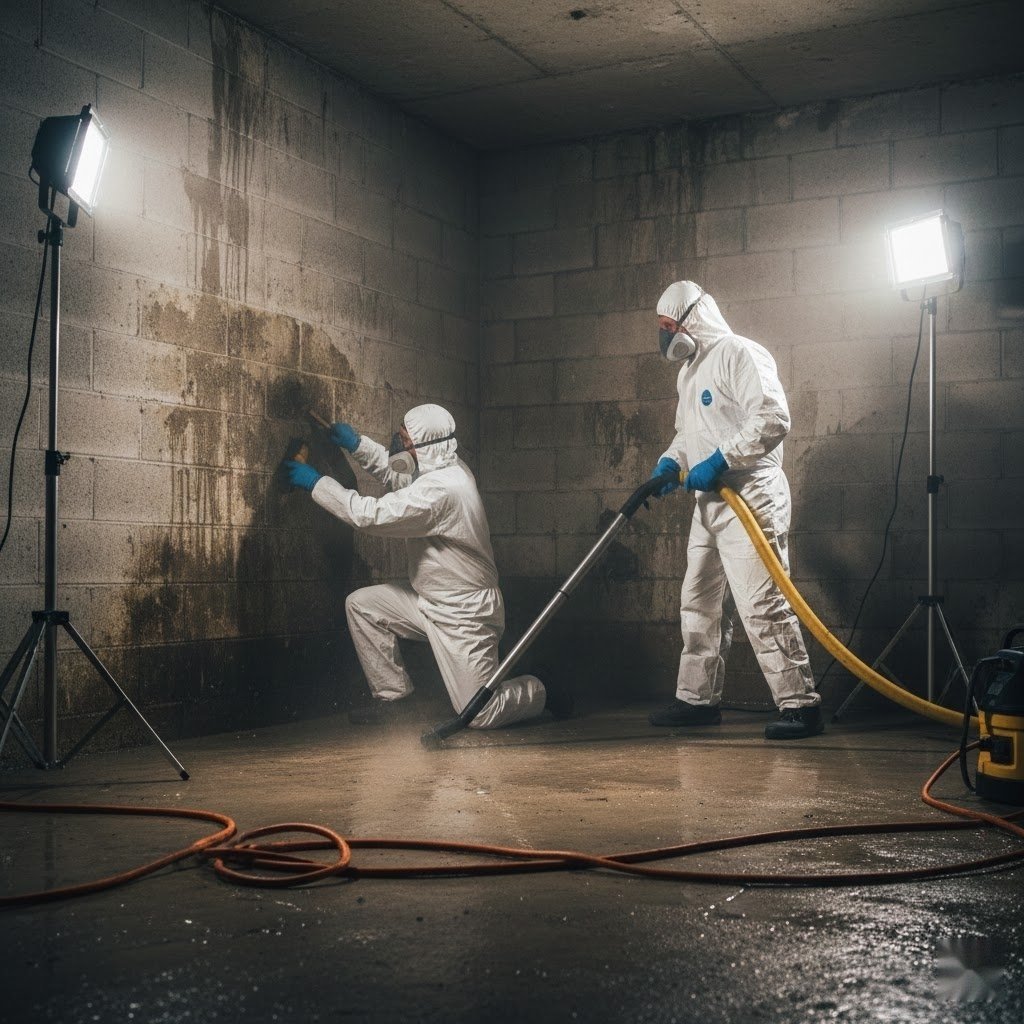
Residential and commercial mold damage repair share core principles but differ significantly in scale, logistics, and documentation. In homes and apartments across Nob Hill, Old Town, Ventana Ranch, and Mesa Del Sol, repair work must fit around family schedules, limited access points, and mixed-use spaces where kitchens and living areas share walls. In commercial spaces in Downtown, Uptown, and industrial zones, repairs often involve drop ceilings, metal framing, large open office layouts, retail fit-outs, or warehouse structures—and must account for business continuity, safety programs, and sometimes tenant or customer traffic. These differences matter because a simple patch in a hallway ceiling at home becomes a more complex project in an office with fire sprinklers, data cabling, and acoustical ceilings. For example, a retail space in Uptown needed phased mold damage repair after a roof leak, with sections completed at night to keep the store open during the day. Whether your property is residential or commercial, call 505-359-5669 for a repair approach calibrated to your use and risk.
Why mold damage repair is critical—not optional—after remediation
Mold damage repair is critical because remediation alone doesn’t restore structural strength, aesthetics, or long-term reliability. Once drywall has softened, subfloors have swelled, or cabinets have delaminated, leaving them in place—even after mold is gone—invites a cycle of recurring issues and makes your space feel unfinished. This matters in Albuquerque where water events from monsoon storms, swamp coolers, or plumbing can hit multiple layers of your structure in neighborhoods like Downtown, Nob Hill, and Sandia Heights. Comprehensive repair restores structural integrity, supports healthy indoor air quality, and protects resale or rental value for years. In one case near Old Town, a landlord who chose full mold damage repair instead of spot fixes saw improved tenant satisfaction and fewer maintenance calls afterward. If you want a property that looks and performs as it should, call 505-359-5669.
Mold damage repair across Albuquerque neighborhoods
Mold damage looks different in different parts of Albuquerque, and repair strategies adapt to the building styles and local moisture patterns. Historic and older homes near Old Town and Downtown may have plaster, adobe, or unique framing that requires careful removal and patching to preserve character while replacing damaged portions. Suburban neighborhoods like Ventana Ranch, Paradise Hills, and Mesa Del Sol often feature modern framing, drywall, and open layouts that require precise drywall matching and flooring transitions. Hillside communities like Sandia Heights and Four Hills Village face unique roof and window leak patterns, where mold damage repair often includes ceiling reconstruction and focus on view walls. These local conditions matter because using the wrong repair approach for the construction type can lead to mismatched finishes or hidden weaknesses. If you want mold damage repair that respects how your Albuquerque home or business was built, call 505-359-5669.
Mold Removal Albuquerque repairs mold damage in homes and businesses across the metro, from historic Old Town and busy Downtown to Ventana Ranch, Sandia Heights, and Mesa Del Sol.
FAQs about mold damage repair
Mold-damaged drywall is usually removed and replaced once it has softened, stained deeply, or been wet for a long time. Keeping compromised drywall can lead to future cracking and possible mold recurrence, so replacement is often the safest, most reliable option.
Severe or long-lasting mold and moisture can weaken wood framing, subfloors, and structural components. Some wood can be dried and treated, while severely decayed sections may need replacement to maintain structural integrity and safety.
Repair time depends on the size of the affected area, the amount of demolition needed, and drying time before rebuild. Smaller projects may be completed in a few days, while multi-room structural repairs can take several weeks.
Coverage varies by policy and the cause of the damage. Many policies are more favorable when mold results from a sudden, covered water event. We can help document the damage for you to discuss with your insurance provider.
Painting over mold-damaged drywall or wood does not solve the underlying problem and can trap moisture, leading to continued deterioration. Proper remediation and structural repair should occur before any finishing or painting.
You should call a professional when mold affects more than a small surface area, when materials feel soft or sagging, or when structural elements like framing and subfloors are involved. Professional tools and methods help ensure complete repair and safety.
Our experience, safety practices, and technical standards
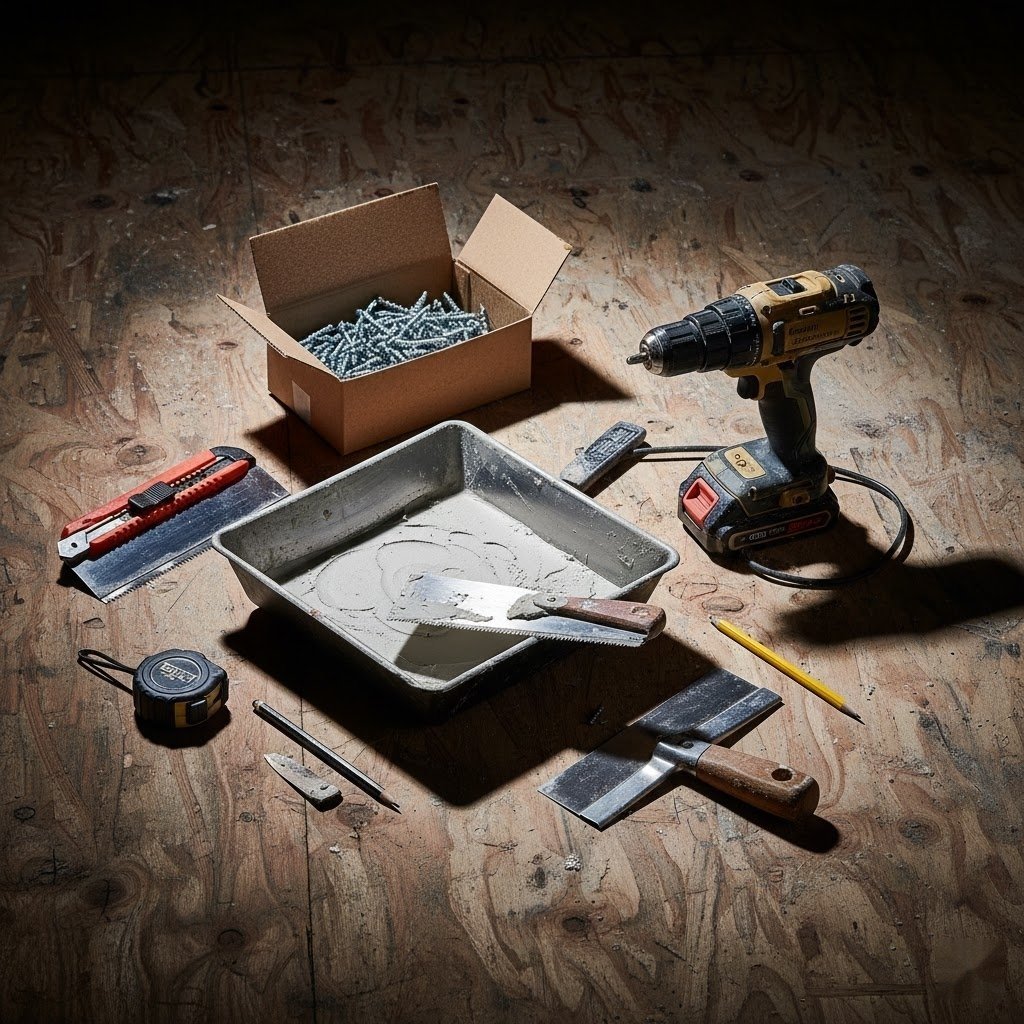
Mold Removal Albuquerque combines mold remediation knowledge with contractor-level repair skills to deliver complete restoration for homes and businesses. Our teams understand how to integrate guidance from industry standards for water and mold with practical construction methods appropriate for Albuquerque’s climate and building styles. This matters because mold damage repair sits at the intersection of health, safety, and craftsmanship, and getting all three right protects your property long term. We emphasize PPE, dust control, and moisture verification throughout demolition and rebuild so occupants and workers stay safer. With projects completed in neighborhoods like Nob Hill, Uptown, Paradise Hills, and Sandia Heights, we’ve restored bathrooms, kitchens, living spaces, offices, and more after mold events. If you value both technical competence and clean, finished work, call 505-359-5669.
Testimonials and client feedback style highlights
Property owners across the Albuquerque area consistently share that professional mold damage repair made their space feel “like new” again after a stressful event. Homeowners appreciate that soft walls, bubbling paint, and warped floors are replaced with solid, clean finishes that match or improve on the original design. Landlords and property managers note fewer complaints from tenants after full repair compared to minimal patching. Business owners in Downtown and Uptown mention that restored ceilings, walls, and floors helped them maintain a professional appearance for customers and staff. If you’d like your property to move from “damaged but safe” to “fully restored and comfortable,” call 505-359-5669 to get started.
Mold damage repair case study in Albuquerque
A Ventana Ranch homeowner discovered mold-damaged drywall and subfloor around a leaking bathtub. We coordinated remediation, removed compromised materials, dried and treated framing, installed new subfloor and mold-resistant drywall, then retiled and painted. The bathroom regained full function and appearance, and moisture readings stayed stable—call 505-359-5669 for similar results.
Related services and helpful internal resources
Mold damage repair works best when paired with a complete approach to mold and moisture in your property. We often combine this service with other offerings so you move from discovery to resolution without juggling multiple contractors. This matters because coordinating remediation, testing, containment, repair, and prevention on your own can be confusing during an already stressful time. In Albuquerque neighborhoods from Old Town and Nob Hill to Mesa Del Sol and Sandia Heights, clients benefit from having one team guide the process. On this site, look for internal links such as:
- Mold remediation services to remove mold safely before repair
- Mold removal and cleanup for surface-level and localized issues
- Black mold removal for higher-concern contamination
- Mold inspection to map damage and plan repair scope
- Mold testing and air quality for lab-confirmed results where needed
- Emergency mold removal and water damage cleanup after sudden leaks or floods
- Educational blog articles on moisture control, ventilation, and leak prevention in Albuquerque homes
- Contact page to schedule inspections, request estimates, or coordinate multi-phase projects
After reviewing these connected services, come back to this Mold Damage Repair page and call 505-359-5669 to build a complete restoration plan.
Ready to repair mold damage and restore your property?
If mold and moisture have damaged your walls, ceilings, floors, or framing, the fastest way back to normal is a structured repair plan that follows remediation—not just cosmetic patching. Mold Removal Albuquerque offers full mold damage repair serving the Albuquerque area, from limited drywall replacement to multi-room reconstruction. Acting now matters because damaged materials rarely improve on their own, and waiting can increase both costs and disruption. With local experience across diverse neighborhoods, we know how to rebuild around real-life layouts, finishes, and budgets. Don’t live with sagging walls, stained ceilings, or warped floors any longer—call 505-359-5669 or use our contact page today to schedule mold damage repair and restore your space with confidence.