Food Processing Facility Mold Removal in Albuquerque, NM
Food processing facility mold removal protects your plant by eliminating contamination risks before they reach your products, packaging, or customers. Mold spreads quickly in high-moisture, temperature-controlled areas and can quietly compromise ceilings, drains, and cold storage surfaces. Mold Removal Albuquerque provides industrial, food-safety–focused remediation for production plants across the metro area. We remove mold, correct moisture, and support HACCP, FDA, USDA, and GMP expectations so your team can focus on safe, consistent output.
Call 505-359-5669 now or reach out through our website to schedule a confidential, food-safety–focused mold assessment for your facility.
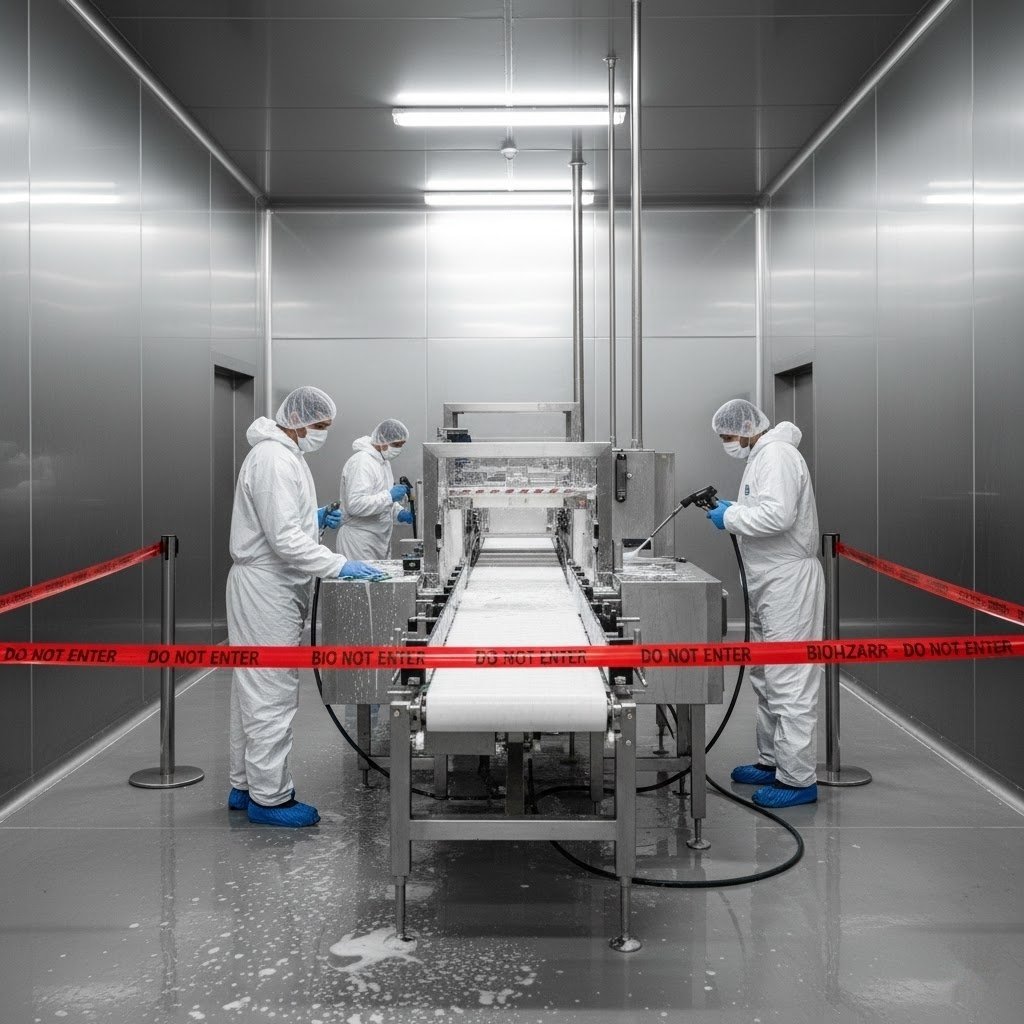
How much does Food Processing Facility Mold Removal cost in Albuquerque?
Food processing facility mold removal in Albuquerque typically ranges from $10,000–$250,000+, depending on the size of the plant, whether cold rooms and cleanrooms are impacted, HVAC involvement, and the need for after-hours or phased work. A compact prep plant in Midtown / EDo will differ from a large production facility near Mesa Del Sol. A site-specific inspection and contamination-risk review are required for precise pricing.
Why Mold in Food Processing Facilities Is Critical
Food processing facility mold removal protects your plant by removing growth, controlling moisture, and preventing contamination that can reach ingredients, packaging, and finished goods. We focus on production areas, packaging lines, cold storage, cleanrooms, and washdown zones because even limited mold can threaten batch integrity and regulatory compliance.
This level of attention matters because food plants operate under HACCP plans, GMP requirements, and oversight from FDA, USDA, and internal QA/QC departments. Mold in a cold room, on a ceiling over a conveyor, or around drains can convert quickly from a maintenance issue to a food safety and recall risk. Your micro-benefit is fewer rejected batches, fewer findings during audits, and more predictable QA results. For example, a plant near Downtown may think a small ceiling stain over a secondary packaging line is purely cosmetic; we know that stain can indicate trapped moisture above insulation that could drip or flake over time.
If you’ve noticed musty odors, staining, or condensation in any processing zone, call 505-359-5669 so Mold Removal Albuquerque can assess the risk before it affects your HACCP records or customer confidence.
Causes of Mold in Albuquerque Food Facilities
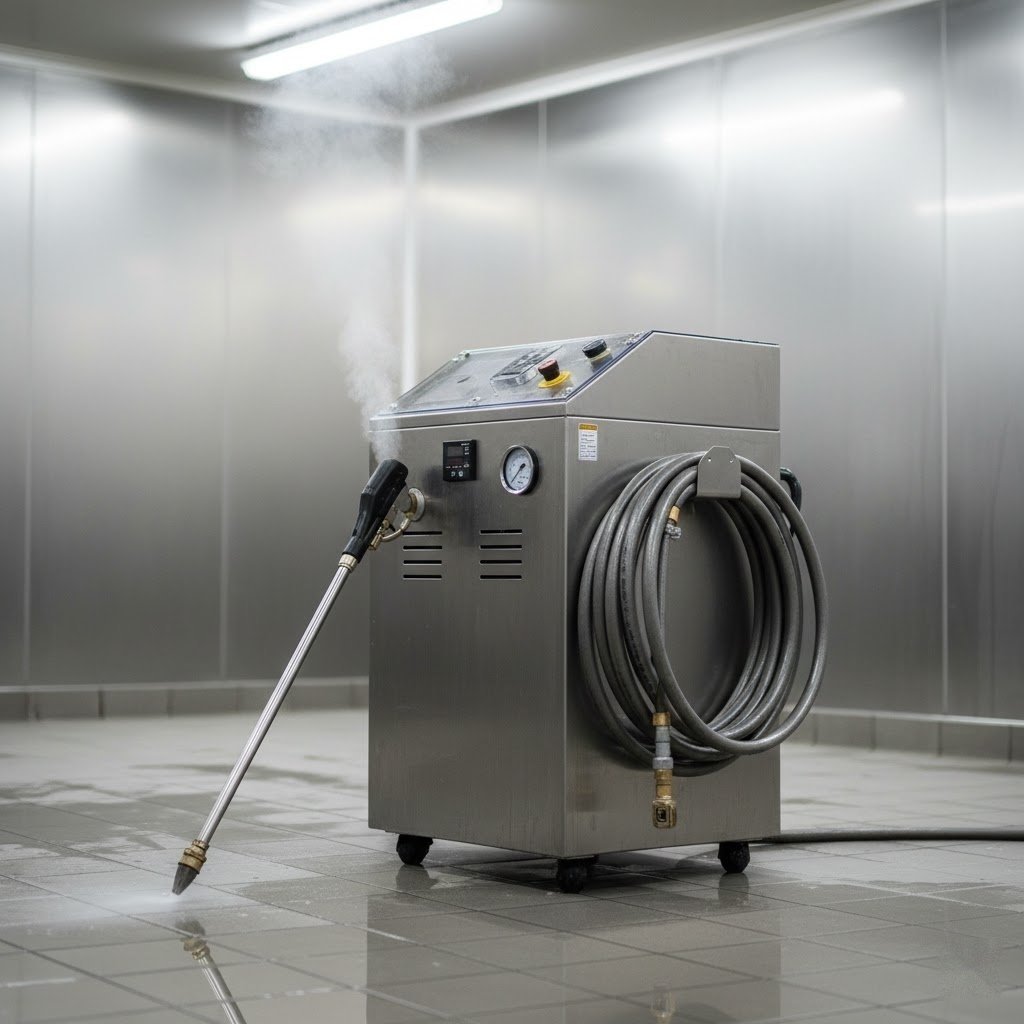
Food processing facility mold develops when moisture from refrigeration, washdowns, steam, or roof leaks reaches materials like insulation, ceiling decking, joint seals, or epoxy floor cracks. In Albuquerque, temperature swings, older industrial buildings, and monsoon-season storms add extra stress to cold rooms, roof systems, and drain networks.
These causes matter because food plants are already high-moisture environments: refrigeration lines sweat, cold room walls condense, and washdown stations saturate floors and drains. Without proper slope, trench design, or HVAC balance, water lingers long enough for mold spores to colonize surfaces. Your micro-benefit is being able to map moisture sources and target plant improvements instead of fighting recurring mold in the same rooms. For instance, a facility in the South Valley might struggle with mold around drains in a raw-prep room; we often find that trench drain slopes and cleaning protocols need to be adjusted along with the mold cleanup itself.
During our inspection, we identify which moisture mechanisms—roof leaks, refrigeration condensate, drain backups, or airflow issues—are fueling mold so your engineering team can fix the root problem.
Signs of Mold Contamination in Food Processing Plants
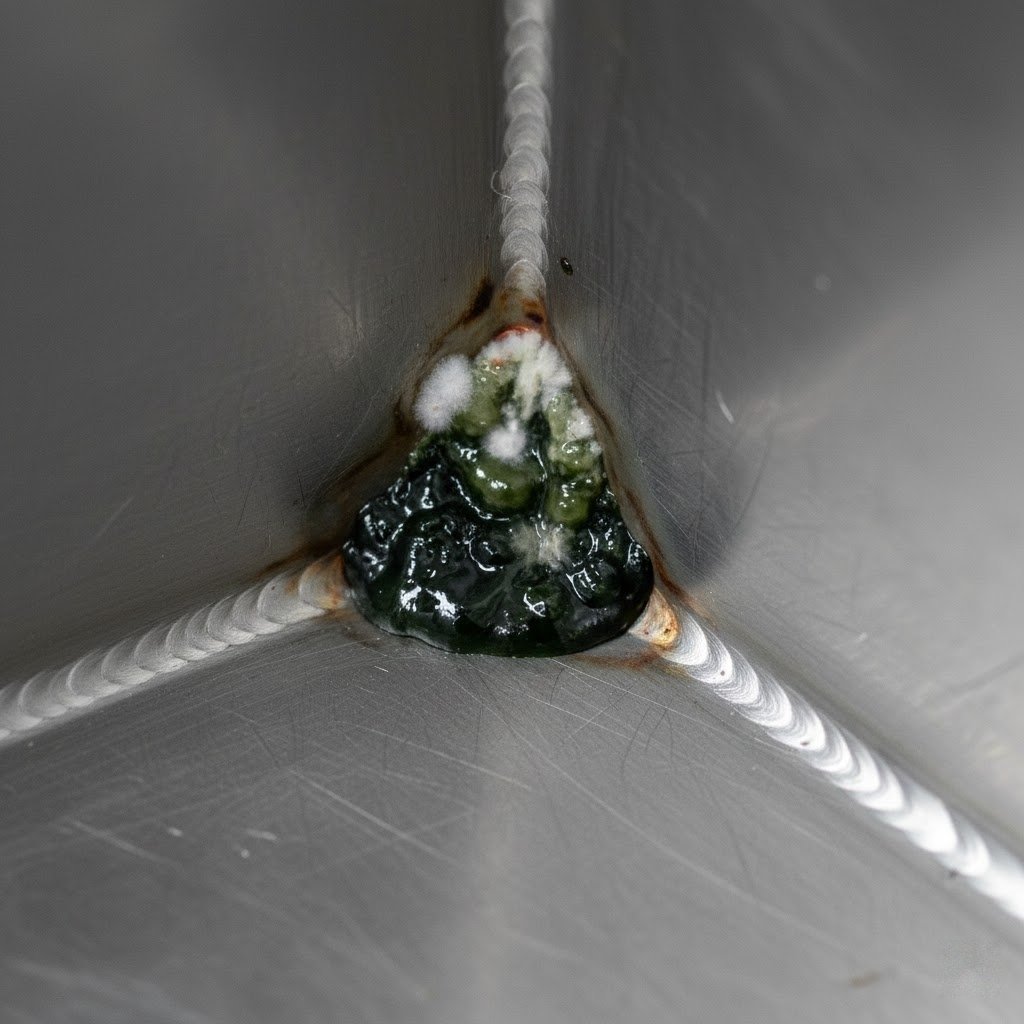
Most food processing facility mold problems reveal themselves through odors, visible growth, condensation patterns, or QA observations before they become catastrophic structural failures. We help you interpret these warning signs across production lines, cold rooms, and storage areas so you can act before mold reaches your product stream.
This early detection matters because a musty smell in a packaging corridor, staining on insulated cold-room panels, or recurring condensation on a ceiling above equipment can all signal elevated contamination risk. Your micro-benefit is catching issues while they’re still limited to building materials, not ingredient or finished-product zones. For example, a plant serving Northeast Heights and Uptown markets may first notice that one freezer room smells “off” during QA walkthroughs; we frequently trace that to mold behind panel joints where insulation has gotten wet.
If you’re seeing any of these symptoms in facilities around Nob Hill, La Mesa / Trumbull Village, or other Albuquerque industrial zones, request a professional mold evaluation from Mold Removal Albuquerque before they become reportable quality problems.
Our Food Processing Facility Mold Remediation Process
Professional food processing facility mold removal follows a strict, documented process to inspect, contain, remove, and prevent mold while protecting food safety and complying with HACCP, GMP, FDA, and USDA expectations. We design each project with QA/QC, food safety, and operations leaders so remediation supports—not disrupts—your sanitation and regulatory programs.
Comprehensive Facility Inspection & Moisture Mapping
Food processing facility mold removal begins with a comprehensive inspection of production areas, packaging lines, cold storage, freezers, cleanrooms, washdown stations, and drainage systems. Using moisture meters, infrared tools, and visual examinations of stainless steel panels, insulated walls, and epoxy floors, we map damp materials and mold-prone areas throughout the plant.
HACCP/GMP-Compliant Containment & Sanitary Controls
Food processing facility mold removal uses HACCP- and GMP-aware containment to segregate work areas from active production zones, using physical barriers, negative-air machines with HEPA filtration, and strict entry/exit procedures for workers. We coordinate with your QA and sanitation teams to protect food-contact areas, raw materials, and finished goods.
Food-Safe Mold Removal Techniques
Food processing facility mold removal uses food-safe methods to clean stainless steel, epoxy floors, coated ceilings, insulated panels, and drain structures. We HEPA-vacuum surfaces, clean and treat affected areas with appropriate antimicrobial products, and remove severely impacted materials such as saturated insulation, compromised ceiling decking, or damaged cold-room panels.
HVAC & Industrial Food Plant Ventilation Remediation
Food processing facility mold removal often requires remediation of HVAC systems, make-up air units, and specialized cooling or dehumidification equipment that feed production rooms and cold storage. We work with your facility engineers and HVAC partners to inspect and, where necessary, clean ducts, coils, drain pans, and housings associated with affected zones.
Contamination Prevention & Product Protection
Food processing facility mold removal includes contamination-prevention strategies to protect raw ingredients, packaging, and finished goods. We help segregate at-risk batches, define “do not use” zones, and coordinate with QA on decisions about product hold, testing, or disposal when necessary.
Moisture Source Identification & Repair
Food processing facility mold removal only succeeds long term when moisture sources are identified and corrected. We help pinpoint refrigeration line sweat, cold-bridge condensation, roof or wall leaks, insufficient drain slope, and washdown practices that leave water pooling on epoxy floors or in drain trenches.
Restoration with Food-Safe Materials
Food processing facility mold removal concludes with restoration using food-safe materials such as new cold-room panels, ceiling tiles rated for sanitary environments, replacement insulation, re-sealed epoxy floors, and appropriate antimicrobial coatings in high-risk areas. We coordinate with your facility engineers so restored areas support sanitation and environmental monitoring goals.
Final Verification & Documentation for QA, USDA, and FDA
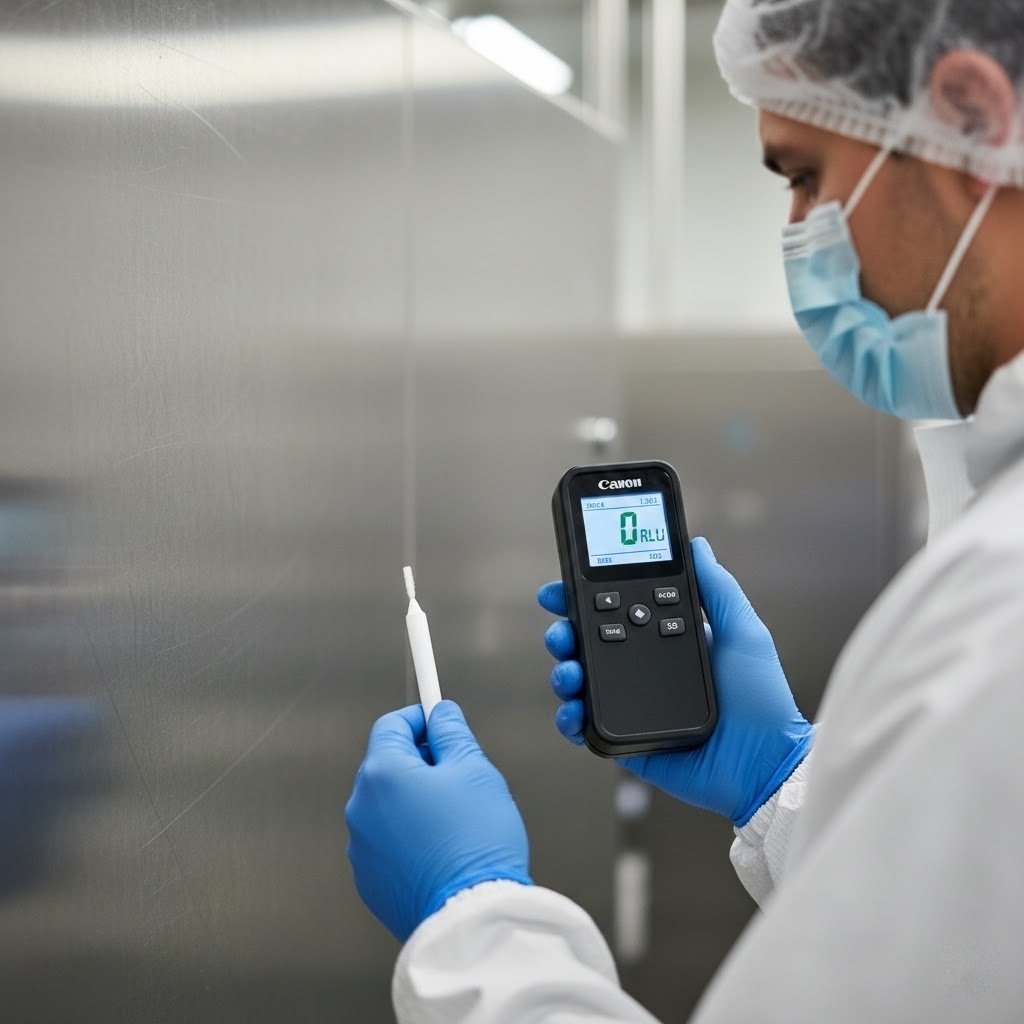
Food processing facility mold removal ends with verification steps such as visual inspections, moisture readings, and, when appropriate, hygienic surface or air testing coordinated with QA. We provide detailed documentation describing affected areas, methods used, materials replaced, and final conditions for QA, USDA, FDA, and insurance records.
Areas We Remediate in Food Processing Facilities
Food processing facility mold removal often focuses on a defined group of high-risk spaces: processing rooms, packaging lines, cold and freezer rooms, washdown areas, drains, mechanical/HVAC rooms, and staff spaces like hygiene areas and offices. We assess each area’s risk level based on proximity to food contact and product flow.
This zone-based approach matters because a mold issue in a utility room is not the same as mold above an open conveyor line. Your micro-benefit is a prioritized remediation plan that concentrates resources where they matter most for food safety and compliance. For example, a plant near Central Albuquerque may treat an employee locker room as a lower-priority zone while focusing initial work on a chilled prep room with exposed products.
Maintaining Production Continuity During Mold Removal
Food processing facility mold removal protects your production continuity by using phased work, off-shift scheduling, and zone-based containment to keep as many lines running as possible while unsafe areas are addressed. We coordinate with scheduling, logistics, and maintenance so remediation dovetails with planned downtime or changeovers when feasible.
This matters because extended shutdowns can affect customers, contracts, and distribution in neighborhoods from Uptown and Northeast Heights to Ventana Ranch and Taylor Ranch. Your micro-benefit is a plan that balances urgency, safety, and uptime, instead of defaulting to full-plant stoppage. For instance, a plant near Volcano Cliffs might sequence cold-room remediation one unit at a time, adjusting production to backup storage while work is completed.
Mold Prevention for Food Plants After Remediation
Food processing facility mold removal is only the first step; mold prevention requires ongoing drain maintenance, HVAC tuning, cold-room inspection, moisture control programs, and enhanced sanitation routines. We help plants design practical, operations-friendly strategies tightly aligned with their HACCP and SSOP frameworks.
This matters because recurring mold issues erode staff confidence, increase maintenance costs, and draw extra attention from auditors and regulators. Your micro-benefit is a facility culture that spots and resolves small moisture and mold issues before they reach QA or regulators. For example, a plant near South Valley might integrate new weekly cold-room panel checks and drain inspection tasks into existing sanitation checklists.
How Food Facility Mold Removal Differs from Residential & Standard Commercial Work
Food processing facility mold removal differs dramatically from residential and standard commercial projects because product safety, regulatory oversight, and industrial-scale systems change everything about risk, process, and documentation. We treat food plants as high-sensitivity industrial environments, not just “big buildings.”
This distinction matters because a home in Nob Hill or a small office in Old Town can often be remediated with simpler containment and scheduling, while a food plant must consider HACCP plans, environmental monitoring, and active ingredient handling. Your micro-benefit is a remediation partner who understands that a cold room handling dairy or produce has more in common with a cleanroom than a warehouse. For example, a residential job might accept basic negative-air containment, but a meat-processing plant near South Broadway may require specially sequenced work to avoid impacting USDA-inspected operations and temperature controls.
Why Choose Mold Removal Albuquerque for Food Processing Facility Mold Removal
Food processing facility mold removal by Mold Removal Albuquerque combines industrial remediation know-how, local building and climate expertise, and a strong understanding of HACCP, GMP, FDA, and USDA expectations. Our teams use HEPA-filtered negative air machines, industrial dehumidifiers, moisture meters, and EPA-registered products to remediate mold in high-moisture, sanitary environments.
Choosing the right partner matters because mold incidents in food plants can affect everything from audit scores to brand reputation and customer relationships across Albuquerque, from Downtown and Old Town to North Albuquerque Acres and Paradise Hills. Your micro-benefit is having a remediation provider who speaks the same language as your QA/QC, sanitation, and operations leaders and can present clear, defensible documentation.
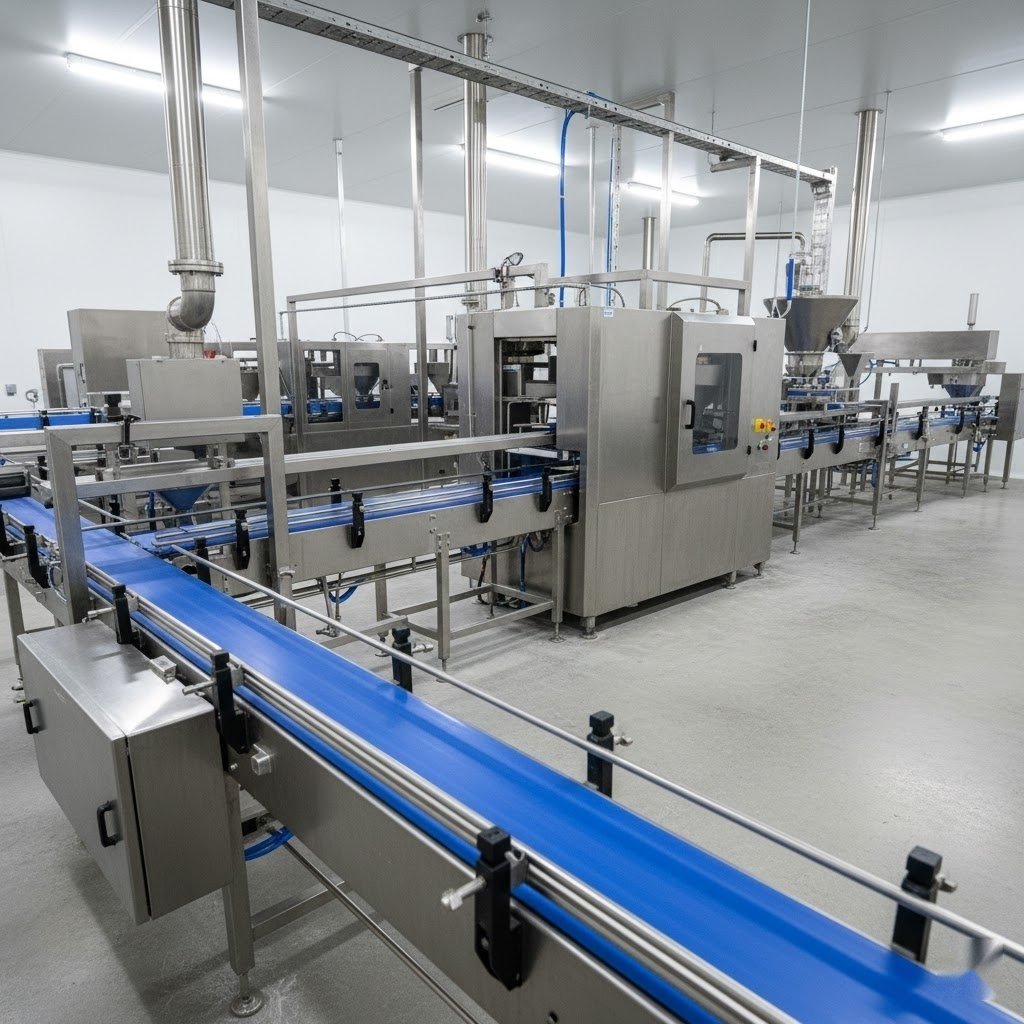
Local Expertise Across Albuquerque’s Industrial Food Corridors
Food processing facility mold removal in Albuquerque benefits from a remediation company that understands local industrial zones, building stock, and climate patterns. Plants near Downtown, South Broadway, and the International District often operate in older buildings with flat roofs that are prone to monsoon-season leaks and dust accumulation. Facilities near Mesa Del Sol and Southeast Heights may be newer but can still face cold-room condensation and drainage issues tied to high throughput.
In the Northeast Heights, North Albuquerque Acres, and Sandia Heights, temperature fluctuations between hot days and cooler nights can drive condensation on refrigeration lines, panel joints, and ceiling decking. Plants serving Paradise Hills, Ventana Ranch, Taylor Ranch, and Westgate may be located in growing distribution and industrial nodes, where expansions and retrofits sometimes create complex roof and wall transitions.
Serving food processing and cold-storage facilities across the Albuquerque metro, from central industrial corridors to surrounding Bernalillo County production zones.
FAQs About Food Processing Facility Mold Removal
Yes. Mold can contaminate food through airborne spores, surface contact, or dripping from contaminated ceilings and structures. That’s why we focus on both building materials and protecting ingredients, packaging, and finished goods.
Not always. Many facilities operate with phased, zone-based work and off-shift remediation. Some high-risk areas may require temporary shutdown, but we design plans to keep safe lines running whenever feasible.
Duration depends on the size of the plant, affected zones, and HVAC involvement. Smaller localized projects may take days, while extensive cold-room or ceiling-decking remediation can require multi-phase work over several weeks.
Yes. We coordinate with QA/QC, food safety, and EHS teams and provide documentation that can be shared with corporate reviewers, auditors, and, when appropriate, USDA or FDA representatives.
We reference HACCP and GMP principles, FDA and USDA expectations, IICRC-informed mold remediation guidance, and OSHA safety frameworks while tailoring procedures to your plant’s specific programs.
Prevention depends on controlling humidity, maintaining drains, tuning HVAC and refrigeration, promptly addressing leaks, and integrating regular mold and moisture checks into sanitation and facility inspection routines.
Our Experience, Safety Practices & Capacity
Mold Removal Albuquerque has extensive experience working in complex industrial environments, including food processing and storage facilities that must prioritize sanitation, safety, and uptime. We deploy trained technicians equipped with PPE, HEPA-filtered negative-air machines, moisture meters, and industrial dehumidifiers to manage mold in high-moisture environments.
This experience matters because food plants can’t accept generic remediation approaches that ignore HACCP, GMP, or regulatory expectations. Your micro-benefit is a partner who is comfortable discussing corrective actions with QA, documenting conditions for audits, and coordinating with EHS and engineering teams. Plants across the Albuquerque area—from industrial zones near Central Albuquerque to facilities serving Mesa Del Sol—have trusted us to manage mold while protecting their brands.
Trust-Building Feedback from Industrial Clients
Industrial clients in and around Albuquerque consistently highlight our ability to respect plant rules, work around production schedules, and communicate clearly with both line supervisors and corporate stakeholders. Many note that our technicians follow safety briefings, lockout-tagout protocols, and site hygiene requirements without constant reminders.
Micro Case Study: Mold in a Cold Storage & Packaging Zone
A mid-size food plant near South Broadway noticed musty odors and staining on ceiling joints in a cold storage room that fed a primary packaging line. We inspected, mapped condensation-related moisture, installed HACCP-aware containment, removed mold-affected panels and insulation, corrected drainage and airflow, and restored cold-room finishes. Odors disappeared, humidity stabilized, and the facility passed its next third-party audit with no mold-related findings.
Internal Links & Helpful Resources
To support your broader environmental and facility goals, Mold Removal Albuquerque also offers related services and educational resources such as:
- Industrial mold remediation for warehouses and manufacturing spaces that connect to your food facilities
- Warehouse mold removal for distribution centers handling packaged goods and ingredients
- Mold treatment and prevention services for office spaces, staff areas, and support buildings
- Mold prevention services including moisture control and drain management
- Contact and special offers pages that make it easy to schedule inspections, request quotes, or plan proactive facility assessments
Use these related services and resources to build a comprehensive mold and moisture control strategy across your entire supply chain footprint.
Final Call-to-Action: Protect Your Products, Brand, and Compliance
Food processing facility mold removal is a food safety, regulatory, and brand-protection priority—not just a maintenance task. Mold Removal Albuquerque helps you inspect, contain, remove, and prevent mold in production rooms, packaging lines, cold storage, and cleanrooms while supporting HACCP, GMP, FDA, and USDA expectations. Responding quickly matters because mold and moisture rarely stay put; they follow ceilings, drains, and ducts into zones that eventually touch products and packaging. Your micro-benefit today is turning a potential crisis into a controlled, documented remediation project that strengthens your facility’s overall risk posture.
Call Mold Removal Albuquerque at 505-359-5669 or contact us through our website to schedule a food-processing–focused mold assessment and protect your facility, your customers, and your brand.