Professional Mold Encapsulation Services in Albuquerque, NM
Finding mold on framing, in an attic, or in a crawl space can be frustrating—especially when some stained surfaces can’t be fully removed. Mold can leave discoloration on wood, affect air quality, and keep contamination risk in the back of your mind even after remediation. Mold Removal Albuquerque provides professional mold encapsulation serving the Albuquerque area, applying specialized coatings to properly treated surfaces so spores stay locked in place and air stays cleaner. We use industry-aligned, post-remediation encapsulants to seal structural materials safely after drying and cleanup, giving you long-term protection when full removal isn’t practical—call 505-359-5669 to schedule a mold encapsulation assessment.

How much does Mold Encapsulation cost in Albuquerque?
Mold encapsulation in the Albuquerque area typically ranges from $750 to $6,500+, depending on square footage, access difficulty, material type, and whether we’re treating attics, crawl spaces, or exposed framing in partially opened walls. Projects in Nob Hill may be smaller than full crawl space encapsulation in Ventana Ranch or Sandia Heights. Because encapsulation must follow proper remediation, drying, and moisture control, the most accurate way to estimate cost is with an on-site evaluation—call 505-359-5669 to get a customized mold encapsulation quote after your inspection and remediation plan.
What Mold Encapsulation is and where it fits in the remediation process
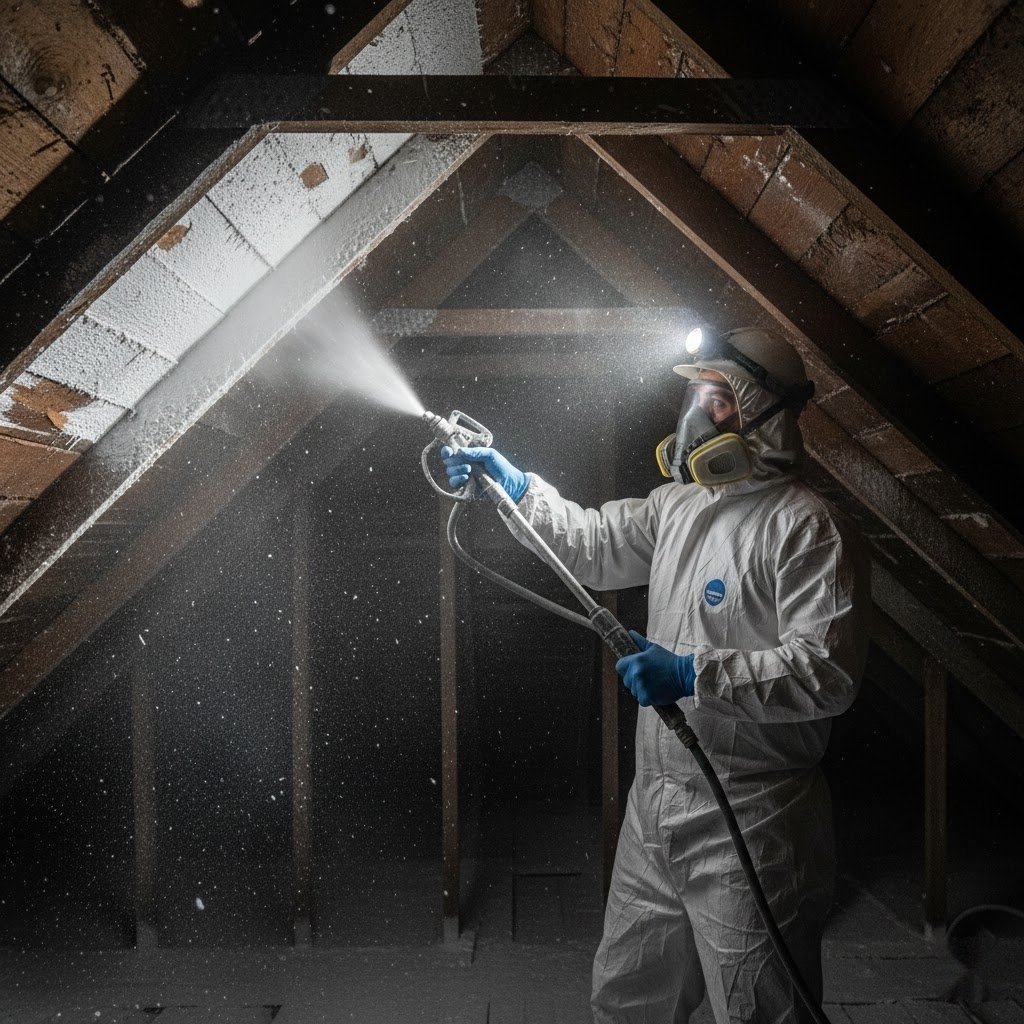
Mold encapsulation is a professional process that applies a specialized, mold-resistant coating over properly treated and dried surfaces—such as wood framing, attic sheathing, or crawl space subflooring—after mold remediation is complete. This service sits at the end of the IICRC S520 remediation sequence, after containment, HEPA vacuuming, cleaning, and drying but before final clearance and restoration. It matters for Albuquerque homes and buildings—whether in Old Town, Downtown, or Nob Hill—because some structural components simply can’t be fully removed, and staining or residual spores need to be controlled without compromising strength. By using encapsulants recognized by the EPA and applied with appropriate PPE and HEPA dust control, we reduce contamination risk and help stabilize air quality in sensitive areas. For example, an attic in the Northeast Heights with past roof leaks had visible staining even after cleaning; encapsulation gave the homeowner confidence that treated sheathing was sealed and safer. If you want to understand where encapsulation belongs in your mold project, call 505-359-5669.
When Mold Encapsulation is used in Albuquerque homes and buildings
Mold encapsulation is used when mold-affected surfaces have been remediated, dried, and cleared, but you still need to seal materials that remain in place—often in attics, crawl spaces, and framing cavities. We commonly encapsulate treated wood in crawl spaces beneath South Valley homes, roof decking in Sandia Heights attics, and framing inside partially opened walls in Uptown or Mesa Del Sol properties where complete demolition isn’t practical. This matters because trying to remove every structural member can be unnecessarily destructive and expensive, while leaving untreated staining can keep air quality and contamination risk higher than necessary. Encapsulation allows us to treat remaining surfaces with coatings that lock down spores and help prevent future release as air moves through those spaces. For instance, in a Taylor Ranch home, we encapsulated treated crawl space joists after drying and cleaning, reducing odor and helping maintain better moisture levels beneath the floor. If you have hard-to-remove framing with visible staining, call 505-359-5669 to see if professional encapsulation is appropriate.
Mold Encapsulation vs Mold Removal and full Remediation
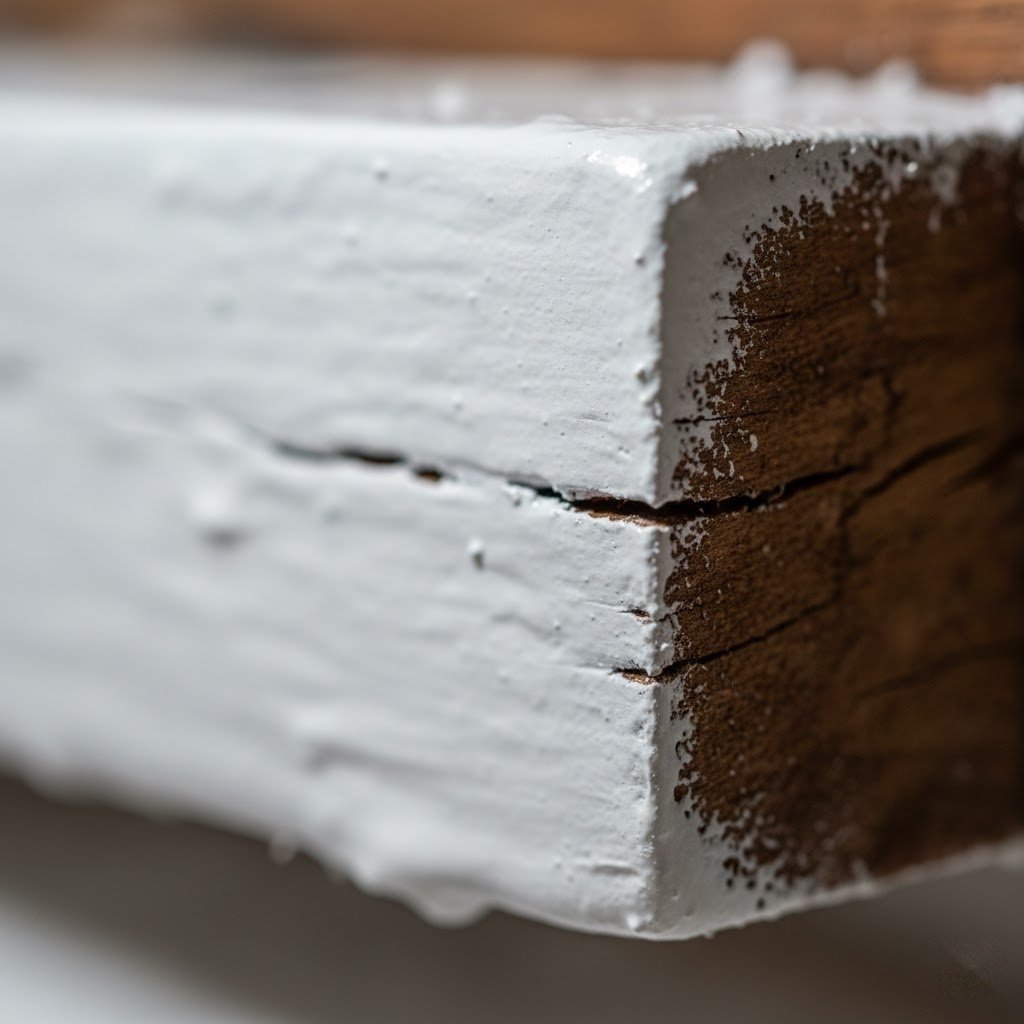
Mold encapsulation differs from mold removal and remediation because encapsulation does not replace cleaning, HEPA vacuuming, or material removal—it comes after those steps to seal what remains. In a proper IICRC-aligned project in Albuquerque, we first contain the area, protect air quality with HEPA air scrubbers, remove heavily contaminated materials, clean and treat surfaces, and correct moisture levels; only then do we consider encapsulation for eligible materials like wood framing in Nob Hill basements or attic sheathing in Paradise Hills. This matters because painting over active mold or skipping HEPA cleaning and calling it “encapsulation” leaves spores, moisture, and contamination risk in place, which can affect air quality and occupant health. Encapsulation is a finishing control measure, not a shortcut, and using it incorrectly can violate EPA guidance and OSHA-style safety expectations. For example, a DIY attempt in a Downtown crawl space used regular paint over active mold, which later peeled and trapped moisture; we had to re-remediate and then apply proper coating. If you want encapsulation done as part of a real remediation strategy, call 505-359-5669.
Our professional Mold Encapsulation process step by step
Our mold encapsulation process follows a professional, technical sequence designed to protect air quality and structural materials while meeting expectations set by IICRC S520 and EPA mold guidance. We verify that remediation is complete, confirm moisture levels with meters, clean surfaces with HEPA vacuums, and then apply specialized coatings with sprayers or rollers while using PPE and air filtration. This matters in Albuquerque properties—from older structures in Old Town to newer homes in Ventana Ranch—because mishandling encapsulants on damp wood or unclean surfaces can trap moisture, increase contamination risk, and shorten the life of coatings. Our process keeps air movement, pressure, and access in mind so encapsulation supports, rather than undermines, your overall remediation. If you want encapsulation handled like a technical trade instead of a quick paint job, call 505-359-5669.
Inspection, verification, and moisture testing
Mold encapsulation starts with a focused inspection of the treated area and moisture verification using meters and sometimes thermal imaging. We confirm that dehumidifiers, air movers, and HEPA filtration used during remediation have brought wood framing, sheathing, and subflooring down to acceptable moisture levels in neighborhoods like Nob Hill, Uptown, and the South Valley. This matters because encapsulating damp materials can trap water, affect structural integrity, and increase the chance of mold regrowth under the coating, even if spores were previously cleaned. By aligning our decisions with recognized standards and local climate patterns, we encapsulate only when surfaces are within safe moisture ranges. In one Sandia Heights attic, we delayed coating for an extra day while air movers and dehumidifiers finished their work, avoiding future blistering or failure of the encapsulant. If you want encapsulation based on measured moisture—not guesswork—call 505-359-5669.
Surface preparation: HEPA vacuuming and cleaning
Once moisture levels are confirmed, we perform detailed surface preparation, including HEPA vacuuming and appropriate cleaning of wood, sheathing, and other materials identified for encapsulation. Using HEPA vacuums, brushes, and sometimes light sanding or scraping, we remove loose residues and dust so the coating can bond properly and contamination risk is reduced. This matters across Albuquerque properties in Old Town, Downtown, and Ventana Ranch because applying coatings over dusty, poorly cleaned surfaces can leave spores unaddressed and allow particles to flake into air paths, affecting air quality over time. Proper surface prep supports long-term adhesion and performance of encapsulants that meet EPA and IICRC expectations. For example, in a crawl space near Paradise Hills, our technicians spent extra time HEPA vacuuming joists before applying encapsulant, resulting in a uniform, durable finish. If you want encapsulation that starts with disciplined preparation, call 505-359-5669.
Protection, containment, and PPE setup
Before applying encapsulant, we protect adjacent areas with poly sheeting, set up containment where needed, and ensure technicians are using PPE such as respirators, gloves, and suits. We may run HEPA air scrubbers or negative air machines to control airborne dust and maintain safer air quality, especially when working in tight attics or crawl spaces in Nob Hill, Mesa Del Sol, or the International District. This matters because coatings, surface dust, and residual spores can become airborne during application, and OSHA-style safety expectations call for controlling exposure for both workers and occupants. By treating encapsulation like a serious remediation step—not just “painting”—we help prevent cross-contamination into living spaces and HVAC systems. In one Downtown property, we sealed supply vents and used negative air while encapsulating attic framing, protecting both occupants and HVAC air paths. If you value a safety-first encapsulation approach, call 505-359-5669.
Applying the mold encapsulant coating
After preparation and protection, we apply the mold encapsulant using sprayers, rollers, or brushes, depending on access and surface type. We follow manufacturer guidelines and industry expectations for coverage rates and film thickness, ensuring consistent application over beams, sheathing, and subflooring in areas like Four Hills Village, North Albuquerque Acres, and Taylor Ranch. This matters because too-thin coatings may not properly seal surfaces or resist abrasion, while overly thick applications can crack or peel over time, re-exposing materials. Proper technique protects air quality and structural materials while maintaining a professional appearance—for example, a uniform white or tinted finish along attic sheathing in Sandia Heights. In one South Valley crawl space, our technicians used a combination of spraying for broad coverage and back-rolling for penetration into rough lumber, providing both coverage and durability. If you want encapsulation applied with professional-grade methods and equipment, call 505-359-5669.
Final inspection, touch-ups, and documentation
After the coating cures, we inspect encapsulated areas for full coverage, correct any missed spots, and verify that air quality controls and moisture conditions remain stable. We document the encapsulation with photos and notes that can support property records, buyer questions, or insurance discussions for buildings across Old Town, Uptown, and Ventana Ranch. This matters because encapsulation is often part of a long-term risk-reduction strategy, and clear documentation helps future owners, inspectors, and occupants understand what was done and why. A Nob Hill homeowner, for example, appreciated having “before and after” photos of an encapsulated attic to share with a future buyer. If you’d like encapsulation finished with a professional sign-off rather than guesswork, call 505-359-5669.
Products and coatings we use for Mold Encapsulation
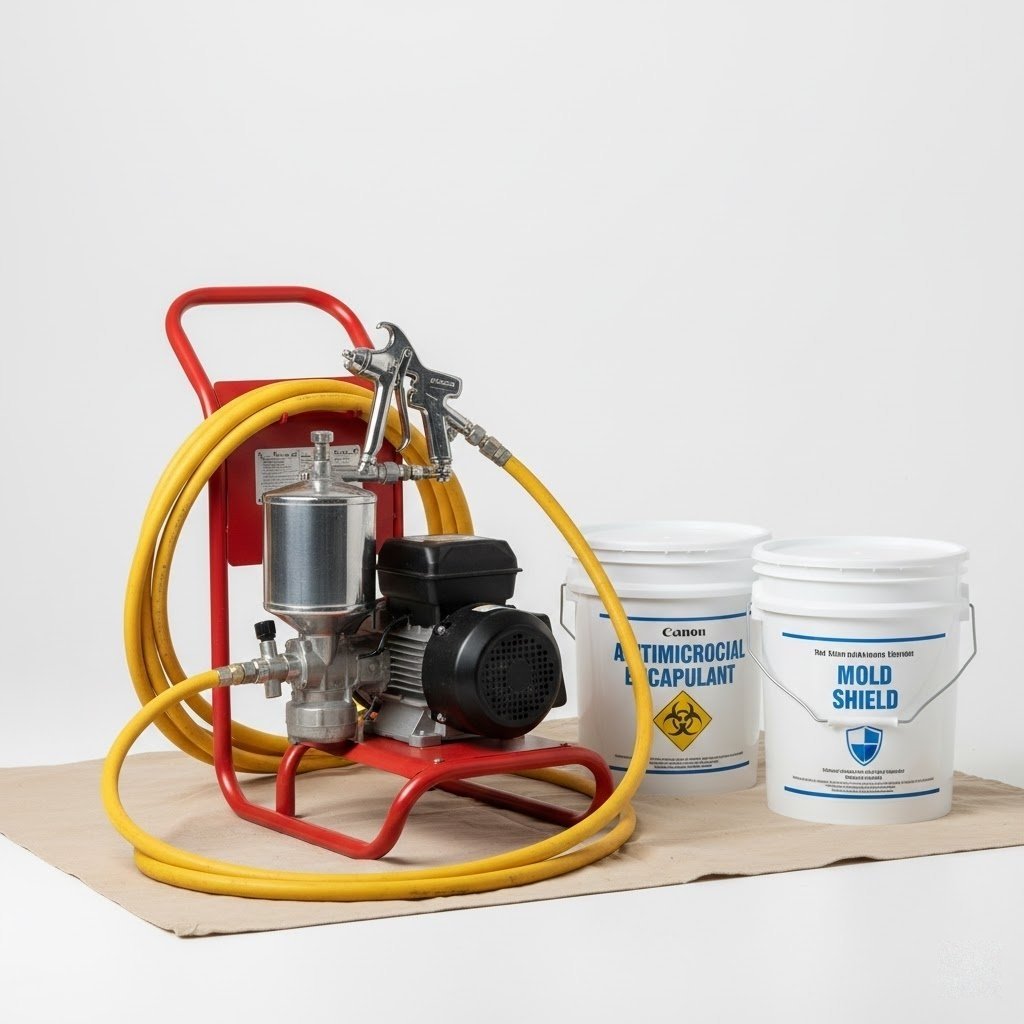
Mold encapsulation relies on specialized coatings, not ordinary interior paint or primer. We use mold-resistant, often EPA-registered products specifically designed to seal treated surfaces and resist moisture within reasonable ranges, such as structural wood framing, attic sheathing, and crawl space subflooring in Albuquerque homes and businesses. These encapsulants may be white, gray, or clear, and can include anti-microbial or stain-blocking properties that help lock in discoloration and lower contamination risk in attics and crawl spaces in Nob Hill, Sandia Heights, and Ventana Ranch. This matters because standard paint does not provide the same seal, durability, or compatibility with IICRC-guided remediation approaches, and may fail when moisture levels fluctuate. Using products built for this purpose helps protect air quality, structural materials, and the long-term value of the property. If you want encapsulants chosen specifically for mold projects, not whatever is on sale at the hardware store, call 505-359-5669.
We typically select from:
- Mold-resistant, low-permeance or semi-permeable coatings designed for structural wood
- Anti-microbial primer/sealers that help lock in stains on treated sheathing
- Encapsulants rated for crawl space and attic environments, supported by clear manufacturer data
- Coatings compatible with local climate and building practices seen in Downtown lofts, Old Town homes, and new builds in Mesa Del Sol
Using the right product, applied with proper PPE and equipment, creates a durable barrier without ignoring moisture dynamics or OSHA expectations. For example, in a Paradise Hills attic, we applied a white encapsulant that brightened the space and gave the homeowner easier visibility for future leak inspections. If you want help choosing the right mold encapsulation coating for your structure, call 505-359-5669.
Benefits of Mold Encapsulation for long-term protection
Mold encapsulation protects your property by sealing previously treated surfaces so spores and residues remain locked in place, supporting cleaner air and more stable moisture behavior. For Albuquerque properties—from Old Town adobe-style homes to Ventana Ranch crawl space builds—encapsulation reduces contamination risk from stained framing and sheathing that cannot be fully removed, especially in hard-to-access zones. This matters because even after aggressive HEPA vacuuming and cleaning, residual spores can remain embedded in porous wood and release over time if surfaces are left bare, especially when air currents from HVAC systems, wind, or temperature changes move through attics and crawl spaces. By applying encapsulants that align with IICRC and EPA guidance, we help improve air quality, reduce future cleanup needs, and create a visual cue that surfaces have been addressed. For example, a North Albuquerque Acres homeowner reported less odor and more peace of mind after encapsulation in an attic that previously had heavy staining but no active growth. If you want a long-term protective measure added to your mold project, call 505-359-5669.
Additional benefits include:
- Visual clarity: white or tinted coatings help you spot new leaks or changes quickly.
- Cost-effectiveness: encapsulating treated framing in Sandia Heights or Four Hills Village is often less expensive than full structural replacement.
- Support for resale: documented encapsulation can reassure buyers and inspectors that a technical approach was used.
These advantages support both immediate comfort and long-term property value when combined with moisture control. If you’d like your remediation to include this higher level of finish and protection, call 505-359-5669.
Residential vs commercial Mold Encapsulation in Albuquerque
Residential and commercial mold encapsulation share the same technical principles but differ in risks, requirements, equipment scale, documentation, and speed. In homes and rentals across Nob Hill, Old Town, Ventana Ranch, and the South Valley, we encapsulate attics, crawl spaces, and exposed framing with an emphasis on occupant safety, air quality stability, and minimal disruption to daily life. In commercial properties—such as offices Downtown, restaurants in Uptown, and warehouses near the Westside—we may use larger HEPA air scrubbers, more extensive containment, and thorough documentation reflecting OSHA and IICRC-oriented expectations for air quality and worker safety. This matters because a small attic project in a single-family home is very different from encapsulating framing above an open office ceiling where employees work below. Matching equipment, PPE, and scheduling to each environment keeps projects efficient and compliant. In one Downtown office building, for example, we encapsulated treated roof deck panels in stages at night to protect tenants and maintain negative air in work zones. If you need mold encapsulation tailored to your specific property type and operations, call 505-359-5669.
Local Mold Encapsulation challenges across Albuquerque neighborhoods
Mold encapsulation in Albuquerque must account for local building styles, humidity patterns, and leak sources that vary from neighborhood to neighborhood. In Old Town and Downtown, older homes and mixed-use buildings may have attic and crawl space framing affected by long-term roof leaks and limited ventilation; encapsulation helps lock in staining after remediation while making future inspections easier. In Nob Hill, the UNM area, and Midtown/EDo, we often see mid-century or renovated structures where encapsulating attic sheathing and bath framing helps control contamination risk tied to older roofing systems and swamp cooler leaks. In foothill neighborhoods like Sandia Heights, High Desert, and Four Hills Village, wind-driven monsoon rains and complex rooflines can create hidden sheathing issues that respond well to post-remediation encapsulation once moisture levels are controlled. This matters because knowing how air flows through these structures and how moisture behaves near landmarks like the Sandia Mountains or the Rio Grande helps us choose the right products and application methods. If you want an encapsulation plan built around how Albuquerque homes actually perform, call 505-359-5669.
Mold Removal Albuquerque provides professional mold encapsulation in attics, crawl spaces, and framing across the metro, from historic Old Town and central Downtown to Nob Hill, Sandia Heights, Ventana Ranch, and Four Hills Village.
Preventing future mold problems after Encapsulation
Mold encapsulation is most effective when combined with moisture control, ventilation improvements, and ongoing monitoring. After we encapsulate treated framing, sheathing, or subflooring in attics and crawl spaces across Downtown, Nob Hill, and Mesa Del Sol, we often recommend steps such as improving bathroom exhaust, checking roof flashing, optimizing attic ventilation, and inspecting swamp coolers regularly. This matters because encapsulants do not stop new leaks or high humidity from occurring; they simply help reduce contamination risk from previously affected surfaces. Without addressing moisture levels and air movement, even a professionally encapsulated space can encounter new mold growth over time. By aligning encapsulation with practical prevention tips that reflect Albuquerque’s monsoon patterns and dry-but-leaky realities, we help extend the life of the coating and protect air quality. For instance, in a Paradise Hills home, adjusting attic venting and adding a timer to the bathroom fan significantly reduced moisture stress on newly encapsulated sheathing. If you’d like moisture and ventilation recommendations alongside your encapsulation project, call 505-359-5669.
Why choose Mold Removal Albuquerque for Mold Encapsulation
Mold Removal Albuquerque is uniquely positioned to handle mold encapsulation because we understand the entire remediation lifecycle—from inspection and containment to HEPA cleaning, moisture verification, and post-remediation protective measures. Our technicians apply encapsulants only after verifying that surfaces meet conditions aligned with IICRC S520 and EPA guidance, using proper PPE, HEPA vacuums, and negative air where needed in homes and businesses across Nob Hill, Old Town, Uptown, and Ventana Ranch. This matters because encapsulation done too early, with the wrong product, or without safety protocols can trap moisture, leave contamination risk unaddressed, and mislead future inspectors and buyers. By treating encapsulation as a technical step rather than a cosmetic fix, we protect both your air quality and your property’s long-term performance. In a Sandia Heights home with prior attic mold, our balanced approach—remediation, drying, encapsulation, and ventilation upgrades—gave the owner confidence that the problem had been addressed comprehensively. If you want a partner who treats mold encapsulation as serious building science, call 505-359-5669.
What you can expect from our encapsulation service:
- Careful moisture and contamination assessment before coating
- Use of high-quality, mold-focused encapsulants rather than generic paint
- Proper containment, PPE, and HEPA filtration during application
- Clear communication, photos, and documentation for your records
Frequently asked questions about Mold Encapsulation
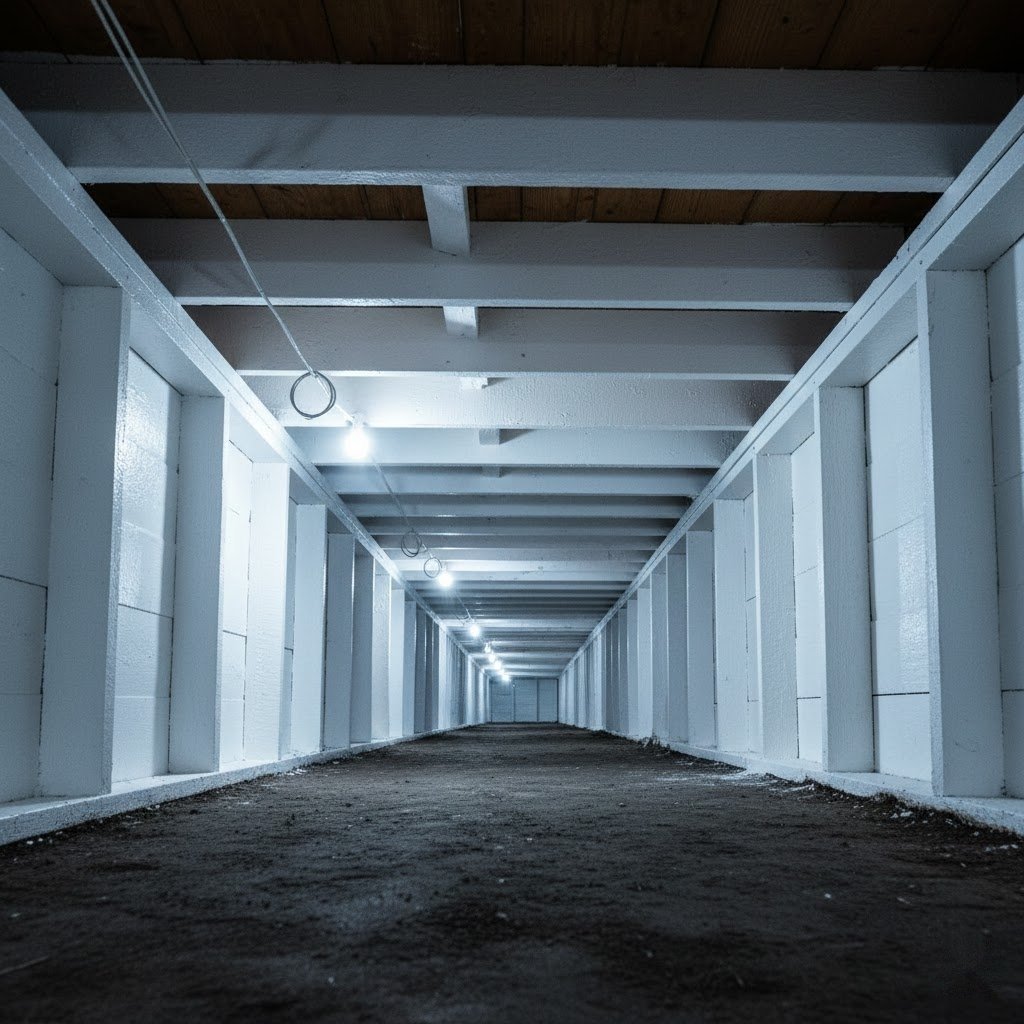
Mold encapsulation is the application of a specialized coating over already cleaned and dried mold-affected surfaces—like framing or sheathing—to seal in residual staining and spores and help protect air quality.
Encapsulation does not kill active mold; it must only be applied after proper remediation, cleaning, and drying. Its job is to seal treated surfaces, not replace removal or antimicrobial treatments.
Mold should not be encapsulated when surfaces are wet, actively growing, heavily deteriorated, or better suited for removal. Encapsulation is reserved for structurally sound, treated materials that must remain in place.
When performed after proper remediation using suitable products, PPE, and ventilation, mold encapsulation is a safe, recognized practice for sealing treated framing, attics, and crawl spaces in occupied buildings.
If moisture problems continue or surfaces were not properly cleaned and dried, mold can still develop beneath a coating. That’s why we verify moisture and address leaks before applying encapsulant.
Service life depends on product choice, environment, and moisture control. With proper ventilation and leak prevention, encapsulants can protect treated surfaces for many years.
Costs vary by area size, access, materials, and whether we’re treating attics, crawl spaces, or framing cavities, but many projects fall between several hundred and several thousand dollars. An on-site assessment provides the most accurate estimate.
Our experience, safety practices, and quality standards for Mold Encapsulation
Mold Removal Albuquerque brings years of local field work in mold remediation, damage repair, and encapsulation across neighborhoods like Old Town, Downtown, Nob Hill, Ventana Ranch, Sandia Heights, and the South Valley. We base our decisions on industry standards such as IICRC S520 for mold and S500 for water damage, along with EPA and OSHA-style safety guidance for coatings and worker protection. This matters because encapsulating structural materials affects air quality, moisture behavior, and future inspections, and you want those decisions grounded in proven practices rather than guesswork. Our team uses PPE, HEPA air filtration, and moisture meters to protect both workers and occupants while keeping documentation available for property managers, investors, and homeowners. Whether we’re encapsulating a compact crawl space in the International District or a large attic in Four Hills Village, the same safety and quality mindset applies. If you want encapsulation supported by real-world experience and technical standards, call 505-359-5669.
You can rely on:
- Fast responses for assessments and scheduling
- Clear explanations of options and limitations for encapsulation
- Ongoing communication about progress and access needs
- A focus on long-term results, not just a quick cosmetic fix
What our clients experience after professional Mold Encapsulation
Our clients often describe a noticeable shift in peace of mind and comfort after professional mold encapsulation, especially when dealing with persistent staining in attics or crawl spaces. Homeowners in Nob Hill report feeling more confident allowing HVAC systems to run after treated framing is encapsulated and documentation is in hand; property managers in Downtown Albuquerque appreciate that sealed crawl spaces and attics reduce complaints about musty odors and visible damage. This matters because mold issues can create ongoing anxiety, even after remediation appears complete, and a technical encapsulation step signals that extra care was taken to stabilize air quality and contamination risk. In one Ventana Ranch home, a homeowner had worried for years about a previously moldy attic; after encapsulation and ventilation upgrades, they felt comfortable moving forward with interior improvements. If you’d like your mold project to end with that same sense of closure, call 505-359-5669.
Mold Encapsulation micro case study
A Westside Albuquerque home had treated attic mold but lingering staining and odor. We verified moisture levels, HEPA-cleaned framing, applied a mold-resistant encapsulant, and improved attic ventilation. The odor disappeared, the attic brightened, and a later buyer’s inspector praised the documented, professional encapsulation—call 505-359-5669 to explore similar results.
Related mold services and internal resources
Mold encapsulation works best as part of a complete mold management strategy, and our team can help coordinate every stage. Many Albuquerque homeowners, investors, and property managers—from Old Town and Nob Hill to Sandia Heights and Mesa Del Sol—prefer to work with a single partner who understands inspection, remediation, encapsulation, and restoration. This matters because splitting tasks between multiple contractors can create gaps in moisture control, air quality protection, and documentation. On our site, you’ll find related services and resources that pair perfectly with encapsulation:
- Mold inspection – identify hidden mold and moisture with visual inspection and moisture mapping
- Mold testing – when needed, confirm spore levels and species with air or surface samples
- Mold remediation and cleanup – remove contaminated materials, clean surfaces, and use HEPA filtration
- Mold containment – install barriers and negative air to prevent cross-contamination during work
- Crawl space and attic mold removal – treat and prepare structural materials for possible encapsulation
- Mold damage repair and restoration – rebuild and refinish affected areas after remediation and encapsulation
- Blog resources – learn about Albuquerque-specific risks like monsoon roof leaks and swamp cooler issues
- Offers and seasonal promotions – check for bundled inspection, remediation, and encapsulation discounts
- Contact page – request an encapsulation inspection, written scope, and estimate
If you’re exploring how encapsulation fits into your overall plan, start with these related services, then call 505-359-5669 to discuss a tailored package.
Ready to schedule Mold Encapsulation in Albuquerque?
If mold has affected your attic, crawl space, or framing and you want more than a quick paint-over, professional mold encapsulation may be the right solution after remediation and drying. Mold Removal Albuquerque seals treated surfaces with specialized coatings, using IICRC-informed practices, EPA-conscious products, and OSHA-style safety measures to protect your air quality and structure. This matters because the decisions you make now—about moisture control, HEPA cleaning, and encapsulation—can shape your property’s health and value for years, whether you’re staying long-term or preparing to sell. Instead of wondering if staining and residual spores will cause future issues, you can choose a documented, technical solution that locks down risk and clarifies your property’s story. Call 505-359-5669 or use our contact page today to schedule a mold encapsulation assessment and move one step closer to a cleaner, safer, and more stable home or business.