Hospital Mold Remediation Services in Albuquerque, NM
Discovering or suspecting mold in a hospital or medical center is alarming for any facilities team. Mold spreads quickly once moisture is present, threatens indoor air quality, and can directly impact already fragile patients in critical care and recovery areas. Mold Removal Albuquerque provides hospital-focused mold remediation that coordinates with facilities, infection control, and administration to protect patients, staff, and operations. We inspect, contain, remove, and verify mold issues using IICRC-informed protocols, infection-control principles, and EPA/OSHA guidance tailored to healthcare environments.
How much does Hospital Mold Remediation cost in Albuquerque?
Hospital mold remediation in Albuquerque typically ranges from $8,000–$150,000+, depending on the size of the affected zone, whether ORs or ICUs are involved, the complexity of HVAC/AHU remediation, and required after-hours scheduling. Costs differ between a small outpatient area in Midtown / EDo and a multi-floor clinical wing near Downtown. A detailed on-site assessment and risk review with your infection control team are required for accurate pricing.
Why Hospital Mold Remediation Is Critical
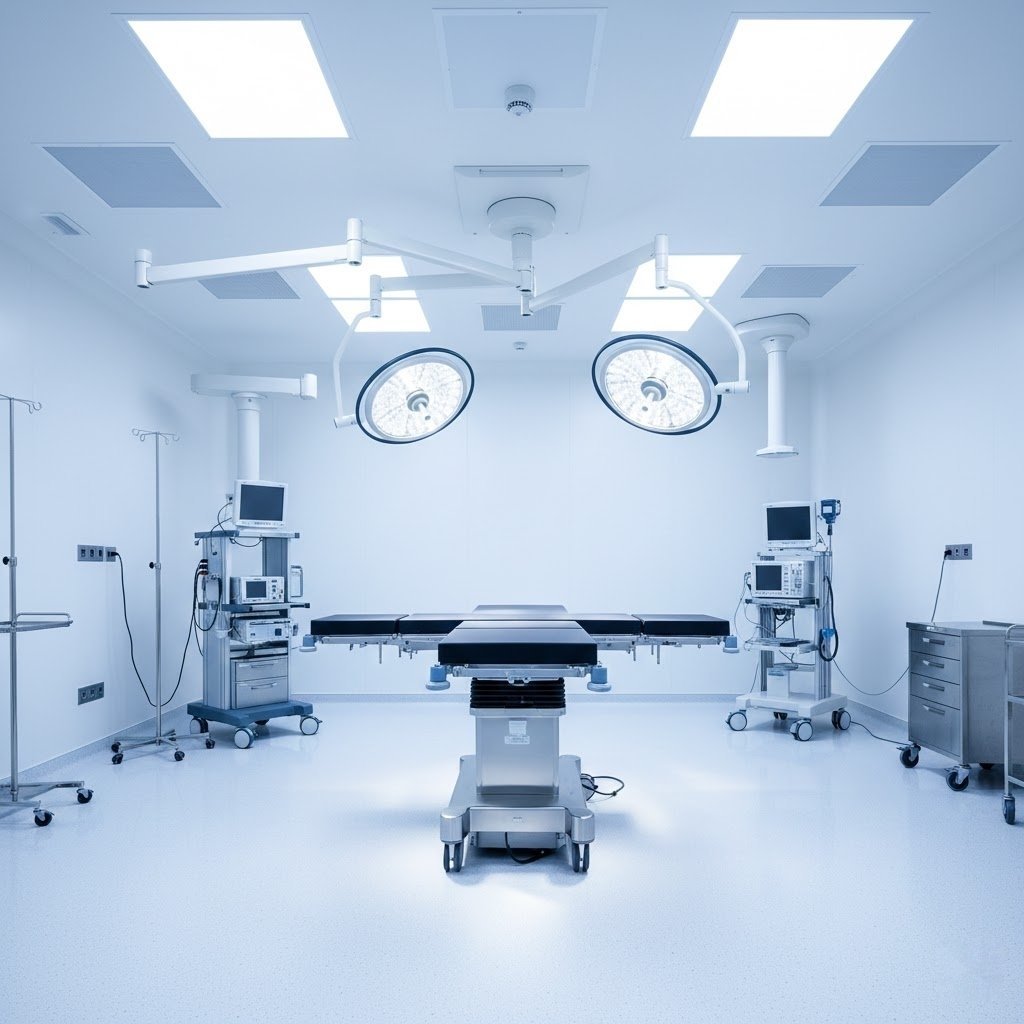
Hospital mold remediation protects your facility by removing harmful mold colonies, correcting moisture, and stabilizing indoor air quality in life-safety environments where vulnerable patients are treated. We focus on high-risk zones such as ORs, ICUs, oncology units, and transplant areas because even limited contamination can be significant for immunocompromised patients.
This level of precision matters because hospital occupants are not healthy adults—they include premature infants, elderly patients, and those with suppressed immune systems who are more susceptible to airborne pathogens and particulates. Your micro-benefit is lower infection risk, fewer air-quality complaints, and stronger compliance posture with accreditation bodies such as the Joint Commission. For example, a leak over an imaging corridor in a facility near Uptown may look minor, but if left untreated, it can compromise ceiling tiles, vents, and pathways leading to critical rooms.
If your team has noticed moisture, staining, or musty odors anywhere in your hospital, call 505-359-5669 for a healthcare-grade mold consultation before conditions escalate.
Causes of Mold in Albuquerque Hospitals
Hospital mold develops when moisture reaches building materials such as drywall, insulation, ceiling tiles, and structural components, and spores begin to colonize under controlled but imperfect environmental conditions. In Albuquerque, hospitals face specific risks from flat commercial roofs, monsoon-season leaks, older plumbing, and complex HVAC and humidification systems that can create condensation in unexpected areas.
These causes matter because standard cleaning routines cannot overcome persistent moisture from roof penetrations, failed flashing, leaking medical-gas chases, or improperly drained mechanical spaces. The micro-benefit of understanding the true source is that your hospital can invest in targeted roof repairs, plumbing corrections, and AHU upgrades rather than repeatedly replacing ceiling tiles. For instance, a medical building near Old Town might see recurring tile stains over a hallway; our investigation may reveal a combination of roof ponding and uninsulated chilled water lines above the ceiling grid.
During our assessment, we inspect, identify, and document specific moisture sources so your facilities team can repair the root causes—not just the visible damage.
Common Hospital Areas Affected by Mold
Common hospital areas affected by mold include patient rooms, corridors, OR suites, ICUs, diagnostic imaging rooms, central sterile and pharmacy spaces, as well as basements, tunnels, and mechanical rooms. We inspect and remediate within ceiling plenum spaces, behind wall systems, around ductwork and AHUs, and near humidifiers and condensate lines.
This focus matters because mold in a basement mechanical room can migrate via air handling units to patient-care zones, and mold in a surgical corridor can threaten sterile pathways. By mapping both clinical and non-clinical zones, your micro-benefit is a hierarchy of risk that lets you prioritize high-acuity areas like NICU or oncology while planning less urgent work in administrative offices. A facility near the UNM Area, for example, may have tunnel moisture under a wing that feeds multiple floors; we help isolate, sequence, and treat those zones in coordination with your infection control and facilities leaders.
If you’ve seen staining or condensation in patient-care areas or tunnels, request a whole-facility mold risk review from Mold Removal Albuquerque at 505-359-5669.
Our Hospital Mold Remediation Process
Professional hospital mold remediation follows a strict, clinical-grade process to assess risk, contain contamination, remove mold, correct moisture, and verify results under infection-control expectations. Mold Removal Albuquerque coordinates with your facilities department, infection control, risk management, and safety committees to align every step with hospital policies and national best practices.
This process matters because hospitals cannot be treated like generic office buildings; patient safety, pressure relationships, and AHU configurations all change how remediation must be performed. Your micro-benefit is a roadmap that protects high-risk patients and staff while keeping as many services operating as safely possible. A large facility near Downtown can, for example, remediate a mechanical room and adjacent patient corridors in phases instead of shutting down an entire wing.
Partner with us early so we can design a remediation plan that fits both your clinical operations and regulatory environment. Call 505-359-5669.
Multidisciplinary Healthcare-Focused Assessment
A healthcare-focused environmental assessment begins with joint walkthroughs alongside your facilities, infection control, and, when appropriate, risk management teams. We inspect patient rooms, OR suites, ICUs, imaging areas, labs, pharmacies, tunnels, and mechanical rooms, and we use moisture meters and other tools to map damp building materials and potential mold reservoirs. This collaborative assessment matters because your internal experts know pressure requirements, critical patient flows, and equipment sensitivities that must be protected. The micro-benefit is a shared, transparent picture of contamination risk that everyone—from engineering to infection prevention—can use to prioritize action.
Infection-Control–Grade Containment
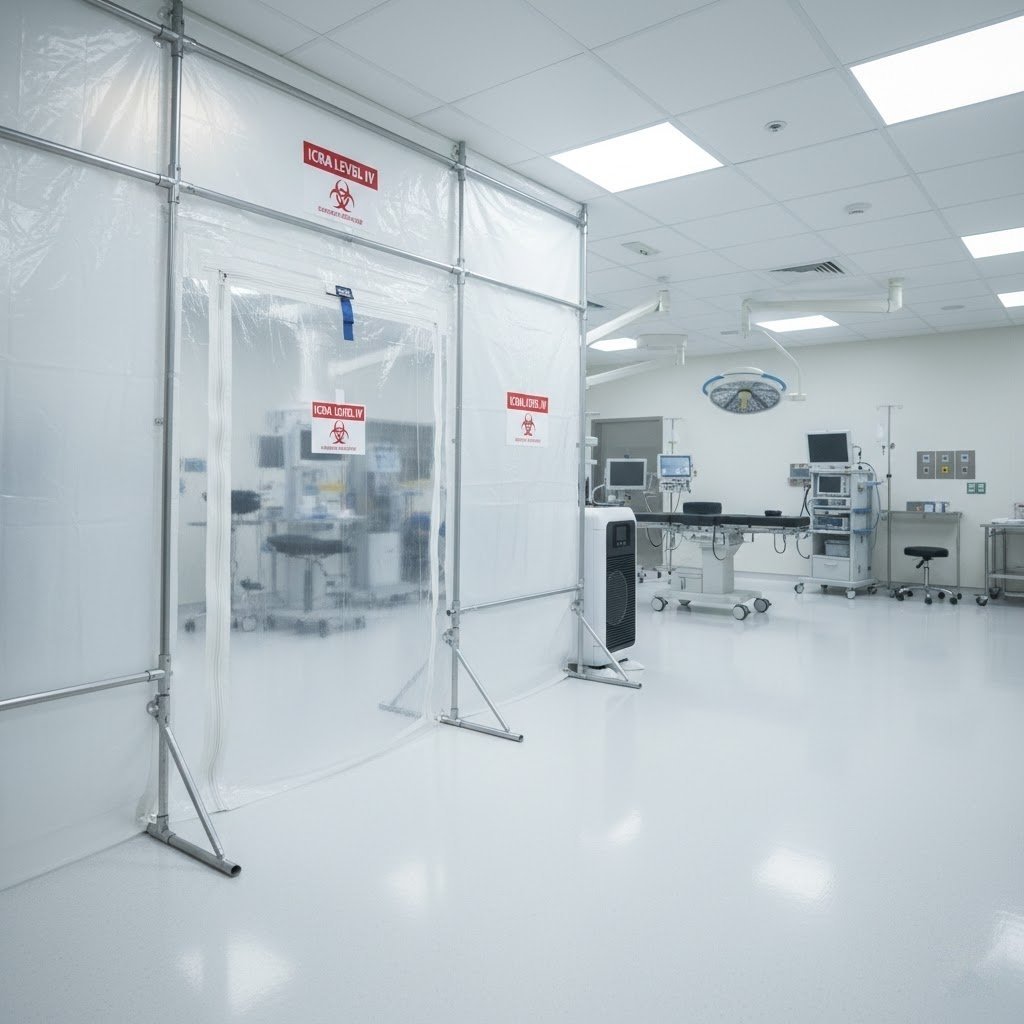
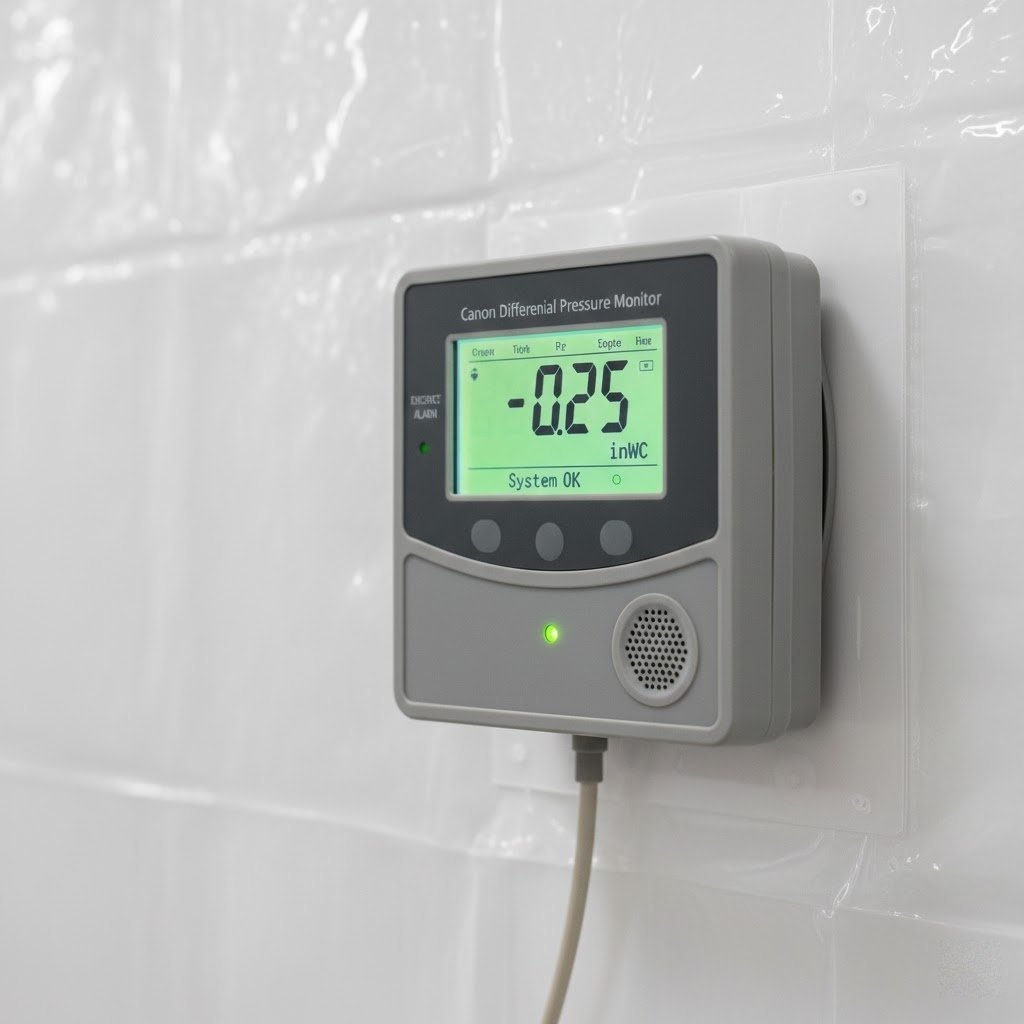
Infection-control–grade containment establishes physical and air-pressure barriers around affected areas, using anterooms, negative air machines with HEPA filtration, and carefully sealed work zones. We coordinate pressure differentials with your infection control and facilities teams, especially near ORs, ICUs, and isolation rooms. This level of containment matters because standard plastic barriers without pressure control can spread spores through hospital airflows, undermining patient safety. Your micro-benefit is confidence that remediation activities are not introducing new environmental risks to vulnerable units.
Mold Removal in Clinical and Structural Areas
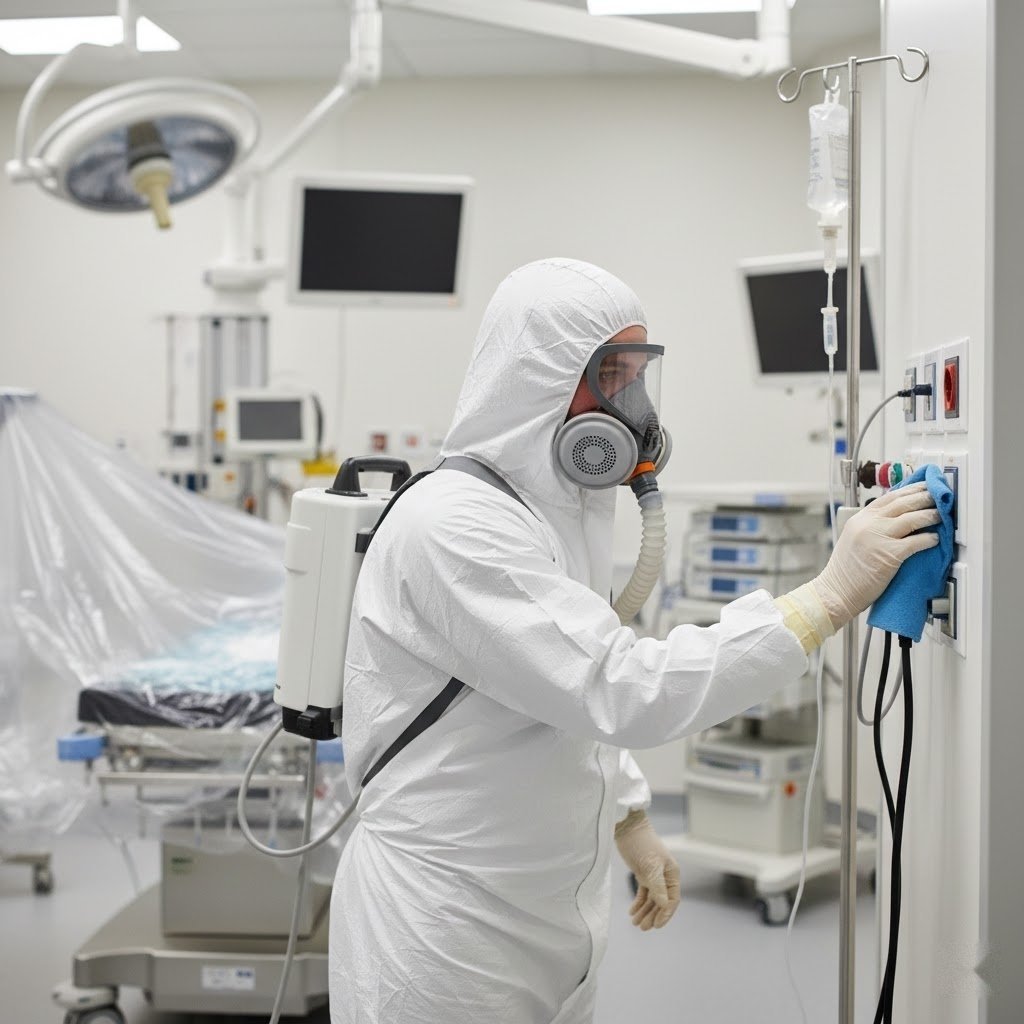
Hospital mold removal targets both clinical surfaces and hidden structural materials. In patient zones, we carefully remove contaminated ceiling tiles, clean walls, and treat surfaces around vents and diffusers using HEPA vacuums and antimicrobial products that align with EPA guidance. In structural and mechanical spaces, we selectively remove moldy drywall, insulation, and ceiling systems, and we clean framing, steel, piping, and AHU interiors where indicated. This two-layer approach matters because visible mold in a ceiling tile is often a symptom of deeper issues above the grid or behind walls.
Hospital HVAC & AHU Remediation
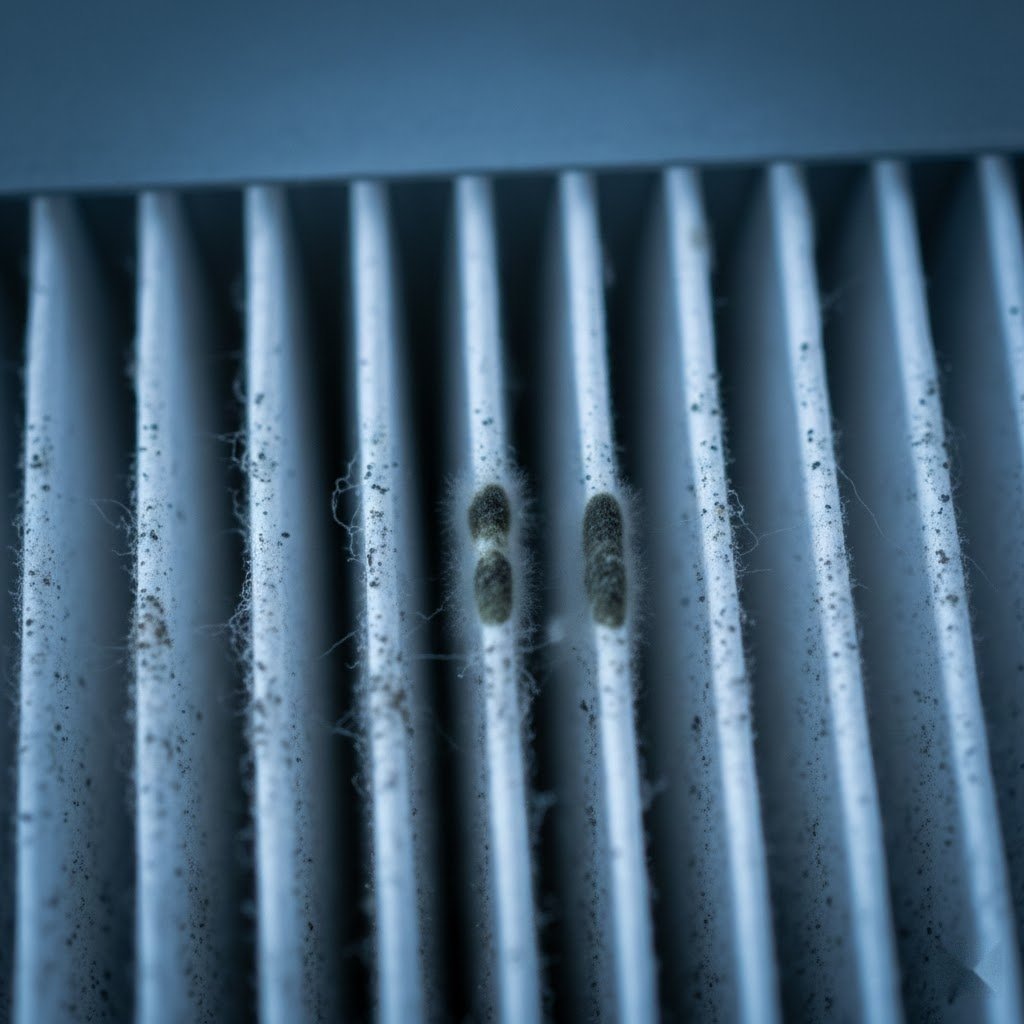
Hospital HVAC & AHU remediation often requires inspection and cleaning of air handling units, associated ductwork, humidifiers, and terminal devices serving affected spaces. We work with your HVAC engineers and contractors to access and remediate AHU interiors, drain pans, coils, and ducts, using HEPA vacuuming and appropriate antimicrobial treatment where permitted. This step matters because AHUs can distribute spores across floors and buildings if not addressed, especially in older facilities or satellite clinics that rely on aging systems.
Moisture Source Identification & Correction
We identify and help your team address moisture sources such as roof leaks, failed flashing, leaking plumbing risers, humidifier malfunctions, condensate drain issues, and basement or tunnel water intrusion. We document locations, suspected causes, and recommended corrective actions for your internal teams and outside contractors. This focus on moisture matters because mold will return if humidity, leaks, or condensation remain unresolved. Your micro-benefit is fewer repeat projects, lower risk of regulatory findings, and better long-term building health.
Healthcare-Grade Restoration
After mold removal and moisture correction, we restore affected areas using healthcare-appropriate materials such as new ceiling tiles, mold/mildew-resistant drywall, antimicrobial coatings, and finishes that support Environmental Services (EVS) cleaning protocols. We coordinate with your project management and design standards to maintain a consistent clinical environment. This matters because a hospital’s interior surfaces must support infection prevention while meeting brand and patient-experience expectations.
Post-Remediation Verification & Documentation
Post-remediation verification includes visual inspections, moisture checks, and, where hospital policy or third-party consultants require, air or surface sampling. We provide written documentation summarizing work performed, areas addressed, and conditions observed for leadership, risk management, and accreditation records. Verification and documentation matter because hospitals must demonstrate due diligence to regulators, insurers, and internal review committees. Your micro-benefit is having a clear paper trail that supports ongoing quality, safety, and accreditation efforts. Request full post-remediation documentation from Mold Removal Albuquerque so your team is prepared for any external or internal review.
Protecting Patients, Staff & Operations During Mold Remediation
Hospital mold remediation protects patients, staff, and operations by minimizing room and floor closures, preserving safe routes, and scheduling disruptive work around critical care demands. We coordinate with nursing leadership, infection control, EVS, and engineering to decide which beds, corridors, and support spaces can safely stay open.
This coordination matters because unplanned closures can impact throughput, ED boarding, OR schedules, and patient satisfaction. Your micro-benefit is a remediation plan that respects both life-safety and operational realities. For instance, a hospital serving Paradise Hills and Northwest Heights may choose to remediate a support corridor at night to keep day-shift traffic flowing.
Engage us early so we can design containment, pathways, and schedules that protect your patients while preserving essential operations.
Prevention & Ongoing Monitoring in Hospitals
Hospital mold prevention relies on roof and envelope maintenance, HVAC and humidity control, routine environmental checks, and rapid response to moisture incidents. We help your facility identify high-risk zones and propose inspection intervals so small problems are addressed before they threaten clinical operations.
This matters because healthcare buildings are complex ecosystems where a single unnoticed leak can affect multiple floors through vertical shafts and ductwork. Your micro-benefit is fewer surprises, reduced emergency remediation, and a more predictable maintenance plan. An example is a South Valley hospital that added regular tunnel and mechanical room checks after a single flood event, allowing them to spot condensation issues early.
Ask us to help your team build a simple yet effective mold-risk and moisture-inspection checklist tailored to your facility. Call 505-359-5669.
Hospital vs Standard Commercial vs Industrial Mold Projects
Hospital mold remediation differs sharply from standard commercial and industrial work because patient risk, infection-control expectations, and documentation needs are significantly higher. We treat healthcare projects as their own category, beyond a typical office or warehouse environment.
This matters because a strategy that might be acceptable in a warehouse near Westgate—such as broader open-area demolition—could be unsafe in a clinical wing. Your micro-benefit is a provider who understands that ORs, ICUs, and isolation rooms demand stricter containment, pressure control, and clinical coordination than typical commercial jobs. For example, while we might schedule large-scale work in an industrial facility on weekends, hospital work near Southwest Mesa might instead be sequenced around surgical block times and census trends.
When you call 505-359-5669, specify that you’re a hospital or healthcare facility so we can immediately apply our healthcare-focused playbook, not a generic commercial template.
Why Choose Mold Removal Albuquerque for Hospital Mold Remediation
Hospital mold remediation with Mold Removal Albuquerque combines local building knowledge, healthcare coordination experience, and specialized equipment such as HEPA negative-air machines, air scrubbers, and moisture-mapping tools. We integrate EPA, IICRC, and OSHA guidance with infection-control expectations to create a realistic, compliant plan.
Choosing the right partner matters because hospital leadership and boards are accountable for both patient safety and regulatory compliance. Your micro-benefit is a remediation team that speaks in terms of risk, documentation, and coordination rather than just “tear-out and replace.” For instance, a medical center near Four Hills Village may depend on us to present findings clearly to its safety committee and risk management team before starting work.
Partner with a remediation contractor who respects your patients and your accreditation—call Mold Removal Albuquerque at 505-359-5669 to discuss your hospital’s needs.
Localized Expertise Across Albuquerque’s Healthcare Corridor
Hospital mold remediation in Albuquerque benefits from a provider that understands local climate, building trends, and hospital locations across the metro area. Facilities near Downtown and Old Town face risks from aging infrastructure and flat roofs that can leak during monsoon season. Clinics and satellite buildings near Nob Hill, the UNM Area, and Midtown / EDo may combine newer wings with older mechanical systems, introducing mixed risk profiles.
In the Northeast Heights, Sandia Heights, and North Albuquerque Acres, hospitals and specialty centers may see condensation issues where cooler interior spaces meet hot, dry exterior conditions. Facilities serving Paradise Hills, Ventana Ranch, Taylor Ranch, and Westgate often operate near rapidly growing neighborhoods, where expansions and additions can create complex rooflines and joints that are vulnerable to leaks.
Throughout these areas, our familiarity with Albuquerque’s dust load, temperature swings, and storm patterns helps us anticipate where mold is likely to appear and how it may spread through tunnels, shafts, and AHUs. Wherever your campus is located in the Albuquerque area, reach out to Mold Removal Albuquerque for a remediation plan shaped by real local experience.
Serving hospitals and healthcare campuses across the greater Albuquerque area, from central medical corridors near Downtown to surrounding communities across Bernalillo County.
FAQs About Hospital Mold Remediation
Mold in a hospital is especially serious because it can affect immunocompromised patients, trigger respiratory symptoms, and compromise indoor air quality in critical care and procedural areas. High-risk zones such as ORs, ICUs, and oncology units require rapid response.
Yes, hospitals usually remain open, but specific rooms, corridors, or units may be temporarily closed or rerouted. We design containment and schedules with infection control and facilities so patient care continues safely wherever possible.
Timeframes vary widely, from several days for a localized issue to weeks for multi-floor or HVAC-related projects. We work in phases, prioritize high-risk areas, and coordinate work windows to limit disruption.
Common causes include roof leaks, plumbing failures in patient rooms, humidifier or AHU condensation, basement or tunnel flooding, and condensation on uninsulated piping above ceiling grids. We inspect and document each source.
Professionals inspect, contain, and remove mold using HEPA filtration, selective material removal, antimicrobial treatment, moisture correction, and post-remediation verification aligned with infection-control standards.
Yes. Our process assumes ongoing coordination with infection control, facilities, safety committees, and, when applicable, risk management and external consultants.
We provide detailed documentation summarizing areas affected, methods used, materials removed, and conditions at completion so leadership, auditors, and insurers have a clear record.
Our Hospital Experience, Safety Practices & Capacity
Mold Removal Albuquerque has years of experience serving complex commercial and healthcare facilities throughout the Albuquerque area, including hospital environments that demand higher standards of safety, coordination, and documentation. Our teams are trained to follow IICRC-informed mold remediation approaches, EPA guidance on antimicrobial use, and OSHA safety practices appropriate for healthcare projects.
This foundation matters because hospital work cannot rely on improvisation or generic protocols. Your micro-benefit is a partner who recognizes the importance of sterile corridors, laminar flow in ORs, and pressure relationships in isolation rooms. A facility near Uptown, for example, appreciated our ability to explain negative-air strategies in terms that made sense to both infection control and engineering staff.
Core strengths we bring to hospital projects include:
- Experience coordinating with infection control, facilities, and EVS teams
- Use of HEPA-filtered negative air and air scrubbers for sensitive areas
- IICRC-informed remediation methods tailored to healthcare settings
- OSHA-aware PPE and safety procedures for all on-site staff
- Rapid response capability for active water and mold incidents
- Clear documentation for leadership, accreditation, and insurance
Call 505-359-5669 to discuss your hospital’s mold concerns with a remediation team that understands healthcare’s safety expectations.
Testimonials & Outcomes from Healthcare-Focused Projects
Hospitals and medical centers we’ve supported across the Albuquerque area consistently highlight our communication, discretion, and ability to work around patient-care demands. Facilities teams report that our technicians respect clinical spaces, follow badge and PPE policies, and coordinate closely with nursing, infection control, and engineering.
These outcomes matter because your hospital’s reputation and survey readiness depend on both how issues are handled and how they are communicated to staff and leadership. The micro-benefit is confidence that your remediation partner will not create new operational or safety problems while solving the mold issue. A regional medical office near the Northeast Heights, for example, praised the quiet, organized way our team contained and remediated a mold-affected mechanical room without disturbing nearby clinic visits.
Join other Albuquerque healthcare facilities that trust Mold Removal Albuquerque to manage mold professionally, discreetly, and clinically. Call 505-359-5669.
Micro Case Study: Mold in a Hospital Mechanical Room
A hospital near Downtown discovered musty odors and staining in a basement mechanical room feeding patient-care floors. We inspected, mapped moisture from a slow roof-penetration leak, set up infection-control–grade containment, removed moldy insulation and ceiling materials, cleaned AHU and piping surfaces, and coordinated envelope repairs. Odor and moisture readings normalized, and the hospital received clear documentation for leadership and insurers.
Related Services & Helpful Resources
Hospitals often need additional support beyond a single mold event, so Mold Removal Albuquerque offers related services to strengthen your environmental safety program. You can also visit our blog and resource section on moldremovalalbuquerque.com for articles that help your teams inspect, identify, and escalate mold concerns quickly and consistently. Explore these related services or contact us directly if you want a unified environmental response strategy for your hospital and satellite sites.
- Healthcare facility mold inspections for clinics, imaging centers, and specialty practices connected to your hospital network
- HVAC and AHU mold remediation to address contamination in air handling systems serving critical units
- Commercial and industrial mold removal for support buildings, warehouses, and administrative offices that connect to your main campus
- Water damage and moisture control services for monsoon-related leaks, burst pipes, and tunnel flooding
- Educational content on mold prevention, moisture management, and environmental risk for facilities and infection control teams
Final Call-to-Action: Protect Your Hospital with Clinical-Grade Mold Remediation
Hospital mold remediation is not optional; it is a patient-safety, regulatory, and reputational imperative. By inspecting, containing, removing, and verifying mold with clinical precision, Mold Removal Albuquerque helps your facility protect high-risk patients, meet expectations from accreditation bodies, and keep operations as stable as possible. Acting promptly matters because moisture and mold rarely stay isolated, especially in multi-floor, mechanically complex hospital buildings. Your micro-benefit today is moving from concern to a clear, documented plan—before a minor issue becomes a major event.