Professional Laundry Room Mold Removal in Albuquerque, NM
Finding mold in your laundry room can be especially stressful because it usually means water has been leaking behind heavy appliances for a long time. Mold spreads quickly when washers drip, drain lines clog, or dryer vents trap moisture against walls and ceilings. Mold Removal Albuquerque provides professional laundry room mold removal that targets leaks, humidity, and hidden growth behind your washer and dryer. We eliminate mold safely, dry the structure thoroughly, and help protect your flooring, walls, and indoor air with moisture-informed solutions.
How much does Laundry Room Mold Removal cost in Albuquerque?
Laundry room mold removal in Albuquerque typically ranges from lower-cost projects for small areas behind a washer to higher investments when walls, flooring, and subflooring must be removed and dried. Final pricing depends on contamination size, materials, leak complexity, and access in areas like Downtown or Northeast Heights. A professional inspection is required for a precise quote.
What Is Laundry Room Mold and Why It Matters
Laundry room mold removal protects your property by removing mold colonies from damp walls, floors, and hidden spaces behind appliances and by stopping moisture cycles that keep them growing. Laundry room mold usually forms on drywall, baseboards, subflooring, and even on the back of the washer or dryer where warm, humid air and unnoticed leaks combine. This matters because laundry areas across Albuquerque—from older homes near Old Town to newer builds in Mesa Del Sol—often tuck machines into closets or tight utility rooms where moisture lingers and air hardly moves.
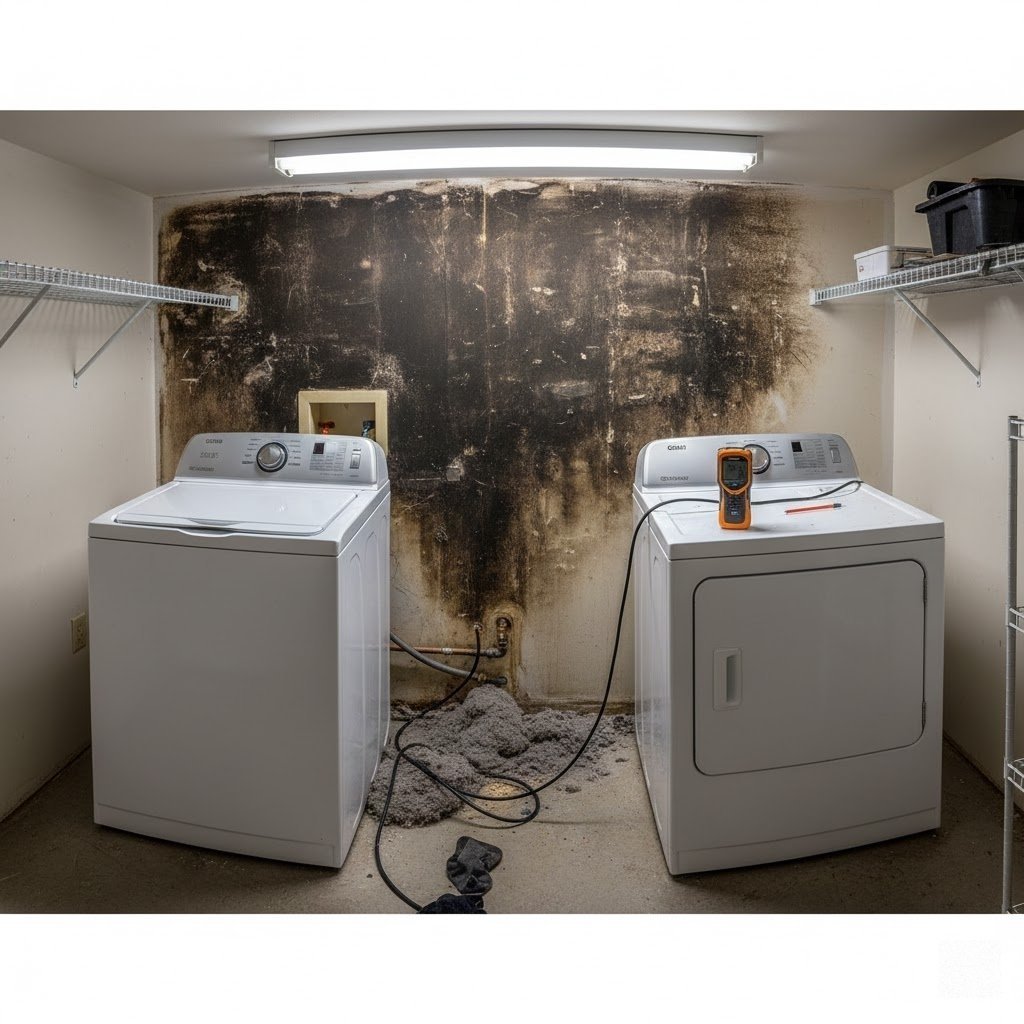
Our team inspects the entire laundry zone, including the wall behind the washer and dryer, the floor under and around appliances, baseboards, ceilings above the machines, and any adjacent closets or hallways. We use moisture meters and, when helpful, thermal imaging to detect moisture in drywall, stud cavities, and subfloors caused by washer supply-line leaks, drain backups, or dryer vent condensation. By seeing both visible mold and moisture patterns, we can decide whether surface cleaning, partial demolition, or full structural remediation is needed.
When laundry room mold removal is completed correctly, you get a cleaner, safer space where washing clothes doesn’t come with musty odors or stained walls. For example, a homeowner in Nob Hill noticed a persistent smell every time the washer ran; once we pulled the machine away, we found mold on drywall and baseboards from a slow hose leak. After removing the damaged materials, cleaning with HEPA vacuums and EPA-registered antimicrobials, and replacing the hoses, both the odor and wall damage were resolved. If you want similar confidence every time you start a load, call 505-359-5669 to schedule a laundry room mold inspection.
Why Laundry Room Mold Removal Is So Important
Laundry Room Mold Removal protects your property by removing harmful mold colonies and stopping moisture-driven regrowth in a room that runs water and heat every single week. Laundry rooms bring together washer supply lines, drains, dryer vents, and sometimes utility sinks and HVAC returns, making them a perfect storm for mold when anything fails. This matters because even a small, unnoticed leak in a laundry closet in Uptown or a dedicated laundry room in Ventana Ranch can quietly saturate drywall and flooring until repairs become expensive.
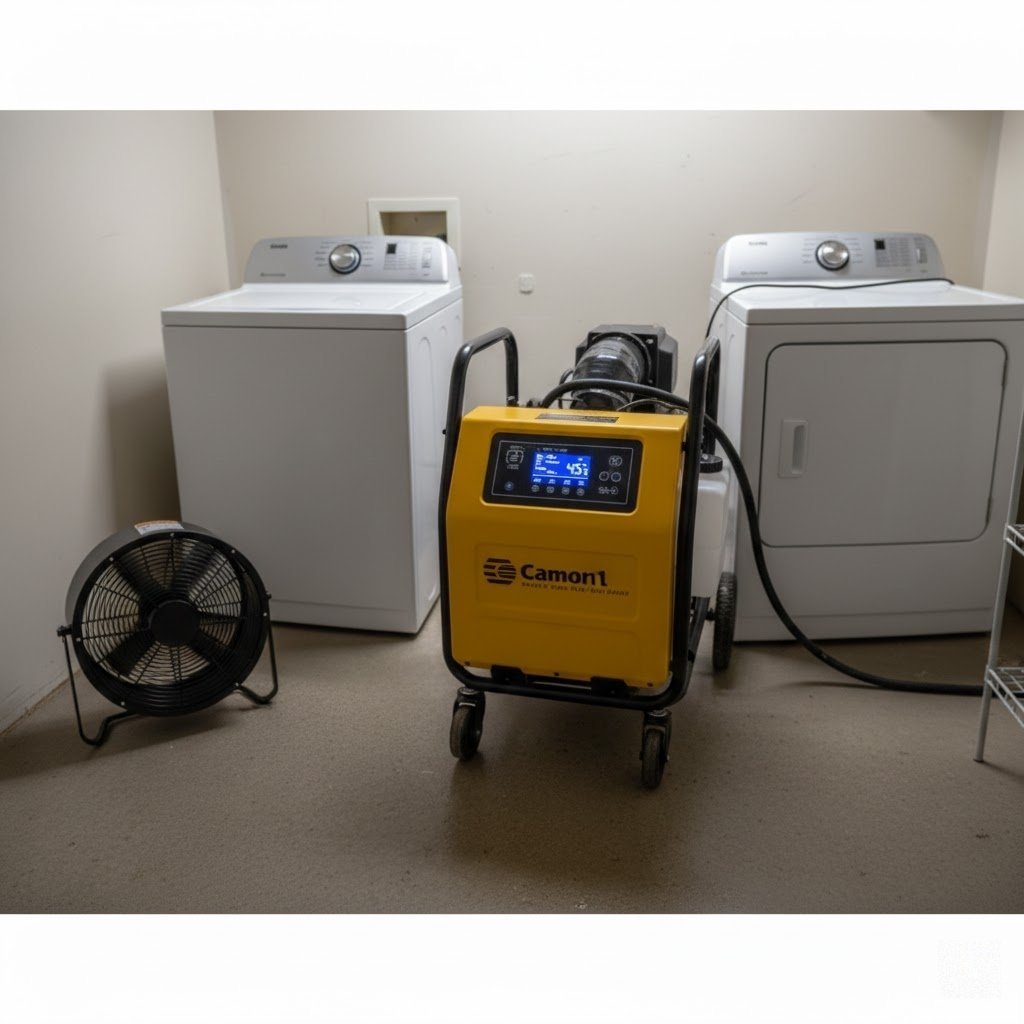
We treat the laundry room as a mini mechanical hub, not just a spot for appliances. Our technicians inspect supply hoses, drain connections, overflow pans, dryer vents, and any nearby plumbing or HVAC lines. Using HEPA vacuums, dehumidifiers, and appropriate antimicrobial solutions, we remove mold while controlling dust and protecting air quality in neighboring spaces like bedrooms and hallways. By combining mold remediation with moisture diagnostics, we help ensure that the area dries fully and that underlying issues—such as clogged vents or weak hoses—are addressed.
Taking action early can prevent bigger problems like buckled floors, stained ceilings, or mold spreading into connected closets. The micro-benefit is smaller demolition zones, fewer days of disruption, and lower repair costs. We’ve seen minor laundry leaks in Downtown condos spread into adjacent bedrooms within weeks, while early intervention in Northeast Heights homes kept damage limited to a single wall section. If you want to stop laundry room mold before it spreads, call 505-359-5669 for a targeted assessment.
Causes of Laundry Room Mold in Albuquerque
Mold develops when moisture reaches porous surfaces such as drywall, insulation, or subflooring and stays long enough for spores to colonize, and laundry rooms are built around repeated water use. In Albuquerque homes, the most common causes are washer hose leaks, drain line failures, dryer vent condensation, and poor airflow in enclosed laundry closets or interior rooms. This matters because laundry areas in places like Central Albuquerque, South Valley, and La Mesa / Trumbull Village often sit in the middle of the home, where natural ventilation is limited.
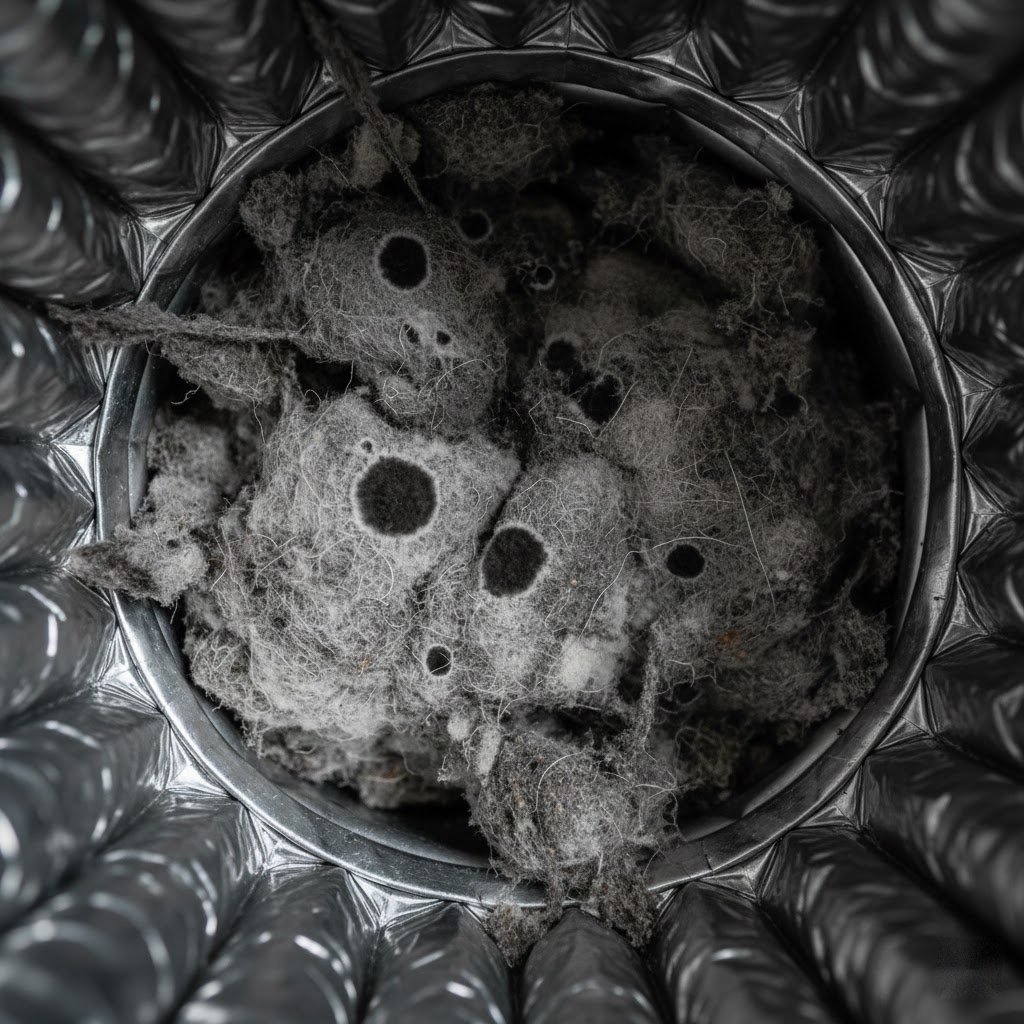
Washer supply hoses can weaken from age, hard water, or poor installation, leading to slow drips that dampen the wall and floor behind the machine. Drain lines can clog or overflow, soaking baseboards and lower drywall. Overflow pans under washers, when present, sometimes crack or lack proper drain connections, causing water to spill unnoticed. Dryer vents that are kinked, clogged, or run long distances can trap warm, moist air, allowing condensation to form on nearby walls, ceilings, and ductwork. In homes across Westgate and Southwest Mesa, we frequently see mold where dryer vents were improperly routed or never fully sealed.
Albuquerque’s climate adds its own twist. Swamp coolers can raise indoor humidity, especially in laundry areas that already handle damp clothes and hot wash cycles. Monsoon season can push ambient humidity higher, making poorly vented laundry rooms stay damp longer after each load. Older homes in neighborhoods like Old Town and International District may have laundry spaces retrofitted into closets or hallways without proper vents or drains, increasing moisture levels and contamination risk. The micro-benefit of a professional cause analysis is a remediation plan that doesn’t just clean mold—it cuts off the water and humidity feeding it. If you’d like us to pinpoint what’s causing mold in your laundry room, call 505-359-5669 today.
Signs You Have Laundry Room Mold
Most laundry room mold problems reveal themselves through visible growth, odors, or material changes long before structural failure shows up. You might see dark or fuzzy spots on the wall behind the washer, staining on baseboards, or discolored caulk around floor penetrations. This matters because these “small” indicators often point to deeper moisture that simple wiping or bleach-based cleaners cannot fix.
A musty odor when you walk into the laundry room or open a laundry closet in homes across Mesa Del Sol, Taylor Ranch, and Nob Hill is a frequent red flag. Warped or spongy flooring under or in front of the washer, especially laminate or vinyl, can indicate that water has escaped from supply lines or overflow pans. Peeling paint, bubbling texture, or yellowish stains on the ceiling above the laundry area may signal dryer vent condensation or leaks in overhead plumbing. In some homes in Paradise Hills, Ventana Ranch, and Northeast Heights, residents notice more sneezing or congestion when they’re near the laundry or when machines run, especially if the space shares an HVAC return.
Another hidden sign is rust or mineral staining around hose connections, valves, and overflow pans, hinting at slow, long-term leakage. Excess lint and dust stuck to damp surfaces behind or beside the dryer can also trap moisture and support mold growth. The micro-benefit of catching these symptoms early is that we can often limit demolition to smaller sections of wall or flooring. If you’re noticing any of these warning signs in your laundry area, call 505-359-5669 to schedule a professional inspection and moisture check.
Our Professional Laundry Room Mold Removal Process
Professional Laundry Room Mold Removal follows a strict, structured process to contain, remove, and prevent mold around washers, dryers, and laundry plumbing. We treat every job with care, using professional equipment to ensure the job is done right.
Inspection and Moisture Assessment
We start by inspecting the entire area with moisture meters and, when useful, thermal imaging to identify leaks behind machines, inside wall cavities, and under flooring. We examine washer hoses, valves, drain lines, overflow pans, and dryer ducting to map accurate moisture and mold levels, which lets us design a plan that fixes both contamination and causes.
Containment and Safety
Next, we set up containment to protect other parts of your home. In laundry rooms in Downtown condos or larger homes, we isolate the area with plastic sheeting and use HEPA-filtered negative air machines. Our technicians wear PPE—respirators, gloves, and protective suits—and follow electrical safety practices when moving appliances.
Mold Removal and Cleaning
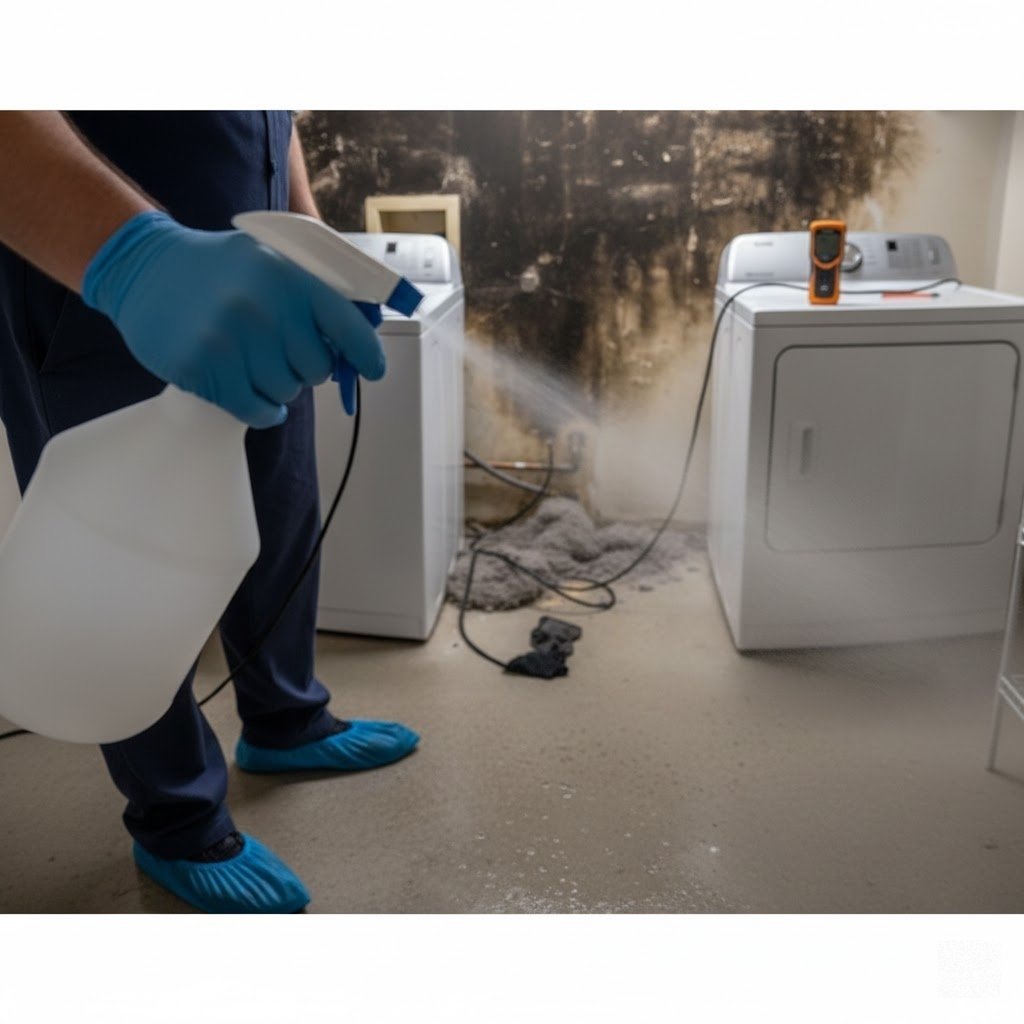
Mold removal and cleaning are tailored to the materials we find. We HEPA vacuum to capture loose spores, then scrub and wipe surfaces with antimicrobial products. When mold has penetrated drywall or flooring, we carefully cut out affected sections to expose studs, then clean structural components using HEPA brushing and EPA-registered treatments.
Moisture Correction and Repair
We then correct the moisture sources that started the problem. That may include recommending replacement of washer hoses, tightening connections, fixing drain-line leaks, or installing overflow pans. We also clear dryer vents to improve airflow. Straightening and upgrading these lines help reduce condensation and lint buildup, ensuring the mold doesn't return.
Verification and Restoration
Finally, we verify that the space is truly ready for use again. We confirm that all visible mold is removed, that surfaces are dry, and that humidity has returned to normal. If restoration is part of the project, we coordinate replacement of drywall and flooring. The result is a clean, dry laundry room where machines can operate without damaging your home.
Hidden Laundry Mold Behind Washers and Dryers
Hidden laundry mold behind appliances develops because warm, damp, and poorly ventilated spaces are trapped between machines and walls. Mold behind washers and dryers grows where leaking hoses spray or drip, where drain lines weep, and where dryer vent leaks push humid air into the cavity instead of outdoors. This matters because laundry rooms in compact areas like Central Albuquerque, Uptown, and many townhomes often have machines squeezed into tight closets where you rarely look.
We frequently discover mold on drywall, baseboards, and even on the back of appliances when we move units away from the wall. Washer supply hoses can form tiny cracks that mist the wall; drain lines can vibrate loose and slowly drip into the corner. Overflow pans may collect water until they crack or overflow completely. On the dryer side, kinked or disconnected ducts can push moist, lint-laden air into the surrounding wall cavity or ceiling, feeding mold on framing and insulation. In homes across Mesa Del Sol and Ventana Ranch, we’ve seen cases where dryer exhaust never fully reached the exterior, leaving mold around hidden duct joints.
Accessing and remediating these hidden areas requires specialized care. Our technicians carefully disconnect water and power, slide machines forward using safe methods, and immediately inspect the behind-the-appliance zone with flashlights and moisture meters. If we find mold, we include that area inside our containment, HEPA vacuum loose material, and remove any drywall or trim that can’t be cleaned effectively. We then treat exposed framing with antimicrobial products and improve or repair hoses, drains, and vents so the problem doesn’t return. The micro-benefit is eliminating a contamination source that would otherwise keep feeding odors and spores into the rest of your home. If you suspect something is growing behind your washer or dryer, call 505-359-5669 and ask for a behind-appliance mold evaluation.
Residential vs Commercial Laundry Room Mold Removal
Laundry room mold removal for homes differs from mold removal in commercial or shared laundry facilities, so we adapt our process to match each environment. Residential laundry rooms in neighborhoods like Nob Hill, Paradise Hills, and Sandia Heights often occupy small closets, hallways, or garage corners, mixing older plumbing with newer appliances. This matters because the goal is to restore a healthy, quiet space without turning the entire home into a construction zone.
In residential work, we focus on minimizing disruption to daily routines while still performing thorough remediation. We use containment that fits the room, portable HEPA filtration, and scheduling that considers family activities, pets, and neighbors. Documentation is usually straightforward: photos, moisture readings, and a clear explanation of what we found, what we removed, and what we recommend next. We also explain how to prevent future issues, such as replacing hoses every few years and making sure dryer vents remain clear.
Commercial laundry rooms—such as those in multifamily buildings, small hotels, or shared laundry spaces near Downtown or Midtown / EDo—carry different risks and requirements. These rooms may contain multiple machines, shared vent systems, and complex drain lines, so a leak or clog can affect several units and common areas at once. We often need larger containment zones, more powerful dehumidifiers, and more extensive documentation for property managers and insurers. Response time, liability, and clear communication become especially important, as residents or guests may depend on those machines daily.
In both residential and commercial settings, the core steps—inspection, containment, removal, cleaning, and moisture correction—stay the same, but the scale and documentation differ. The micro-benefit of choosing a company experienced with both is greater confidence that we’ll match our methods to your building, not force a one-size-fits-all approach. Whether you manage a shared laundry room or own a single-family home, call 505-359-5669 so we can tailor a remediation plan to your situation.
Preventing Laundry Room Mold from Coming Back
Laundry room mold prevention relies on keeping moisture under control, improving airflow, and monitoring high-risk components before they fail. Upgrading washer hoses from old, rubber lines to quality braided stainless-steel versions and replacing them on a regular schedule dramatically reduces the chance of sudden leaks. This matters because many laundry mold jobs we see in Old Town, South Valley, and International District started with aging hoses that looked “fine” until they weren’t.
Clearing and maintaining dryer vents is equally important. Cleaning lint traps after each load, having vent lines professionally cleaned on a regular basis, and making sure duct runs are as straight and short as possible help prevent lint buildup and condensation. In homes across Westgate, Southwest Mesa, and Northeast Heights, we often find mold where dryer ducts were crushed behind the machine or extended with improper materials. Improving these ducts increases dryer efficiency and reduces moisture load in the room.
Ventilation and design also play key roles. Keeping laundry room doors open when possible, adding or upgrading exhaust fans, and ensuring that HVAC returns are properly placed and functioning all help keep humidity within a safe range. Using drip pans with overflow alarms under washers, especially on upper floors, provides an early warning before water spreads. Small touches like avoiding storage of wet items on the floor, immediately cleaning up spills, and checking behind machines a couple of times a year provide major protection.
The micro-benefit of following these prevention tips is fewer surprises, cleaner walls and floors, and less risk of sudden, disruptive damage. After each remediation project, we share a customized prevention checklist based on your laundry room layout, appliance age, and neighborhood conditions. If you’d like help building a prevention plan tailored to your home, call 505-359-5669 and ask for a laundry room moisture and mold prevention consult.
Why Choose Mold Removal Albuquerque for Laundry Room Mold
Laundry Room Mold Removal by Mold Removal Albuquerque gives you a team that understands both appliance behavior and building moisture dynamics. We know how washer hoses, valves, drain lines, and dryer vents interact with nearby drywall, framing, and subflooring in Albuquerque’s homes and multifamily buildings. This matters because long-term success means fixing the moisture system around your laundry area, not just cleaning what you can see.
Our technicians use professional tools like moisture meters, HEPA vacuums, dehumidifiers, and EPA-registered antimicrobial products, and we align our work with recognized mold-removal principles inspired by IICRC S520 guidance. Properties in Central Albuquerque, Nob Hill, Mesa Del Sol, and beyond benefit from our experience with both sudden floods from burst hoses and slow leaks that have been wetting walls for months. We also understand local influences such as hard water, monsoon-season humidity, and the way swamp coolers affect indoor moisture levels in laundry rooms.
We emphasize communication and transparency. From the first inspection, we walk you through findings with photos, explain which materials can be cleaned and which must be removed, and outline each step—from containment and removal to drying and restoration recommendations. Whether you are a homeowner, landlord, or property manager, we tailor our explanations to your needs while keeping the focus on safety and durability. The micro-benefit is confidence: you’ll know what caused the mold, what we did about it, and how to keep it from returning.
If you want a local team that treats your laundry room as a critical part of your home’s health, call Mold Removal Albuquerque at 505-359-5669 and schedule your inspection today.
Laundry Room Mold in Albuquerque Neighborhoods
Laundry room mold appears in different ways across Albuquerque neighborhoods because building ages, plumbing layouts, and ventilation strategies vary. In older Central Albuquerque and Old Town properties, laundry areas are sometimes retrofitted into hall closets or back porches, leaving limited space for proper venting and modern drain systems. This matters because tight spaces trap moisture and make it harder to notice leaks behind machines.
In Northeast Heights, High Desert, and Sandia Heights, laundry rooms may be placed on second stories or near bedrooms, often over wood-framed floors. A burst hose or pan overflow here can quickly move water into ceilings below, creating mold in multiple rooms. In Westgate, Southwest Mesa, and parts of South Valley, laundry spaces sometimes share walls with attached garages or exterior walls where insulation and vapor control may be inconsistent, leading to condensation and hidden mold.
Newer developments like Mesa Del Sol and growing sections of Ventana Ranch often include interior laundry rooms next to HVAC closets, which can complicate air circulation. If dryer venting wasn’t installed carefully or has never been cleaned, lint and moisture can collect at bends and wall penetrations, feeding mold. Because we work throughout the Albuquerque metro—including areas like Nob Hill, Taylor Ranch, and Uptown—we recognize common patterns and risk factors tied to each style of construction.
Laundry room mold inspection, leak diagnostics, and full remediation for washer and dryer areas across the greater Albuquerque region, from central neighborhoods to surrounding heights and mesa communities.
Laundry Room Mold Removal FAQs
Laundry room mold can affect air quality and may pose concerns for some people, especially when it spreads beyond the laundry area into living spaces. Removing it professionally and drying the structure helps reduce contamination and protects surrounding rooms.
Yes. Rubber gaskets, detergent drawers, and poorly vented dryers can harbor mold when moisture and residue stay in place. Cleaning, maintenance, and vent corrections are key parts of a complete remediation plan.
We disconnect and move washers and dryers as needed to inspect and remediate mold behind and beneath them. Accessing these areas is essential, because many laundry mold problems hide where you normally can’t see.
Laundry room mold remediation can range from a single day for small, surface-level issues to several days or more if walls, flooring, or subfloor require removal, drying, and restoration. The exact timeline depends on damage severity and drying conditions.
Yes. Moisture and mold behind appliances can spread through walls, under floors, and into nearby rooms if leaks continue. Laundry mold can also impact adjacent HVAC returns or ducts if not addressed.
Replace aging hoses, keep dryer vents clear, improve ventilation, use drip pans or leak detectors, and inspect behind machines periodically. These steps reduce moisture and give you early warning before small leaks become big problems.

Our Experience, Training, and Safety Practices
Laundry room mold removal in Albuquerque demands attention to both water and electrical safety, and our team has extensive local experience working in these tight, complex spaces. We’ve remediated mold in compact laundry closets in Downtown condos, garage-adjacent rooms in Taylor Ranch, interior utility rooms in Nob Hill, and upstairs laundry spaces in Northeast Heights and High Desert. This matters because understanding local building styles and appliance layouts helps us anticipate where moisture and mold are most likely to hide.
We rely on PPE—respirators, gloves, and protective suits—to handle mold safely and use HEPA vacuums and air scrubbers to capture spores and fine dust during demolition and cleaning. Our technicians are trained to set up containment that protects nearby bedrooms, hallways, and living areas, and to manage electrical risks by properly disconnecting appliances and using safe work practices around outlets and panels. We also use moisture meters and, when useful, thermal imaging to confirm that structural materials have dried properly before restoration proceeds.
We track important performance indicators like response times, drying durations, and the number of successful mold projects completed in different parts of the city. This continuing experience informs how we refine our methods and equipment choices for Albuquerque’s unique climate and housing mix. The micro-benefit for you is knowing your project is handled by a team that has already solved dozens of similar laundry room mold challenges. If you’re ready for that level of expertise, call 505-359-5669 to book your evaluation.
What Our Laundry Room Mold Clients Are Saying
Many Albuquerque homeowners and property managers have seen major improvements after professional laundry room mold removal. One family in Westgate noticed warped vinyl flooring by their washer; after we found and fixed a slow supply-line leak, removed moldy flooring and baseboards, and dried the subfloor, the new floor stayed flat and odor-free. A landlord in Central Albuquerque reported that tenant complaints about musty smells stopped once we cleaned mold behind stacked machines and corrected a clogged dryer vent.
In a Northeast Heights home, a ceiling stain beneath an upstairs laundry room turned out to be overflow pan leaks and concealed mold in the floor cavity; after remediation and proper pan and drain upgrades, the ceiling remained dry through the next monsoon season. These results reflect what happens when moisture diagnostics and thorough remediation work together. If you’d like similar peace of mind around your laundry area, call 505-359-5669 today.
Laundry Room Mold Removal Micro Case Study
A homeowner in Mesa Del Sol noticed a persistent musty odor and slightly soft flooring in front of the washer. Our inspection revealed a slow leak at a supply hose, mold on the wall behind the machine, and damp subflooring. We replaced hoses, removed moldy drywall and flooring, cleaned and treated the framing, and dried the structure. The odor disappeared, moisture readings normalized, and the new floor has remained stable through multiple laundry cycles.
Related Services and Helpful Internal Resources
Laundry room mold rarely exists in isolation, so combining services can protect more of your home and reduce repeat problems. Treating only the laundry space may leave other moisture sources active. Connecting to related services strengthens your whole-house defense.
Related internal options include:
- General Mold Remediation for mold found in adjacent rooms, hallways, or ceilings connected to laundry leaks
- Kitchen Mold Removal when nearby plumbing or supply lines serve both kitchen and laundry areas
- Bathroom Mold Removal if shared plumbing stacks have contributed to broader moisture issues
- Crawl Space Mold Removal when laundry leaks on the main level have seeped into framing and subfloor below
- Attic Mold Removal for cases where dryer vent terminations or exhaust ducts leak moisture into attic spaces
- HVAC and Air Duct Mold Removal if moldy air or lint has affected nearby supply or return ducts
- Water Damage Cleanup for sudden washer overflows, burst hoses, or pan failures that flood floors and walls
- Educational blog articles covering topics like how to inspect washer hoses, clean dryer vents, and recognize early moisture signs
- Contact page to request inspections, quotes, or follow-up consultations
- Offers page listing any seasonal savings on combined mold and moisture-control services
If you’d like a coordinated plan that covers your laundry room and any related moisture risks in the rest of your home, call 505-359-5669 or reach out through the contact page on our website.
Schedule Your Laundry Room Mold Inspection Today
Laundry room mold rarely disappears on its own, and every new wash cycle adds more water and humidity to an already stressed space. Professional Laundry Room Mold Removal from Mold Removal Albuquerque eliminates mold behind washers, under dryers, and inside walls and floors while correcting leaks, vent issues, and airflow problems. Acting now matters because early intervention keeps repairs smaller, protects flooring and framing, and restores your confidence in one of the hardest-working rooms in your home.
Whether you’re noticing a musty smell, warped flooring, stains behind the washer, or visible mold on laundry room walls, our team is ready to inspect, explain, and remediate. We serve homeowners, landlords, and property managers across the Albuquerque area, from Central neighborhoods and Downtown to Mesa Del Sol, Ventana Ranch, and beyond.
Call 505-359-5669 today to schedule your laundry room mold inspection and take the first step toward a dry, clean, and healthy laundry space.