Nursing Home Mold Remediation Services in Albuquerque
Nursing home mold remediation protects some of the most vulnerable people in Albuquerque when mold appears in resident rooms, bathrooms, dining areas, or hallways. Mold in long-term care buildings is especially dangerous because seniors often have weaker immune systems, chronic breathing issues, or heart conditions. Mold Removal Albuquerque provides professional mold cleanup designed specifically for nursing homes, assisted living communities, and retirement facilities, focusing on resident safety, indoor air quality, and compliance. We remove mold using containment, HEPA filtration, and moisture correction while coordinating with your care teams to minimize disruption. Call 505-359-5669 now to schedule a resident-safe mold inspection.
How much does Nursing Home Mold Remediation cost in Albuquerque?
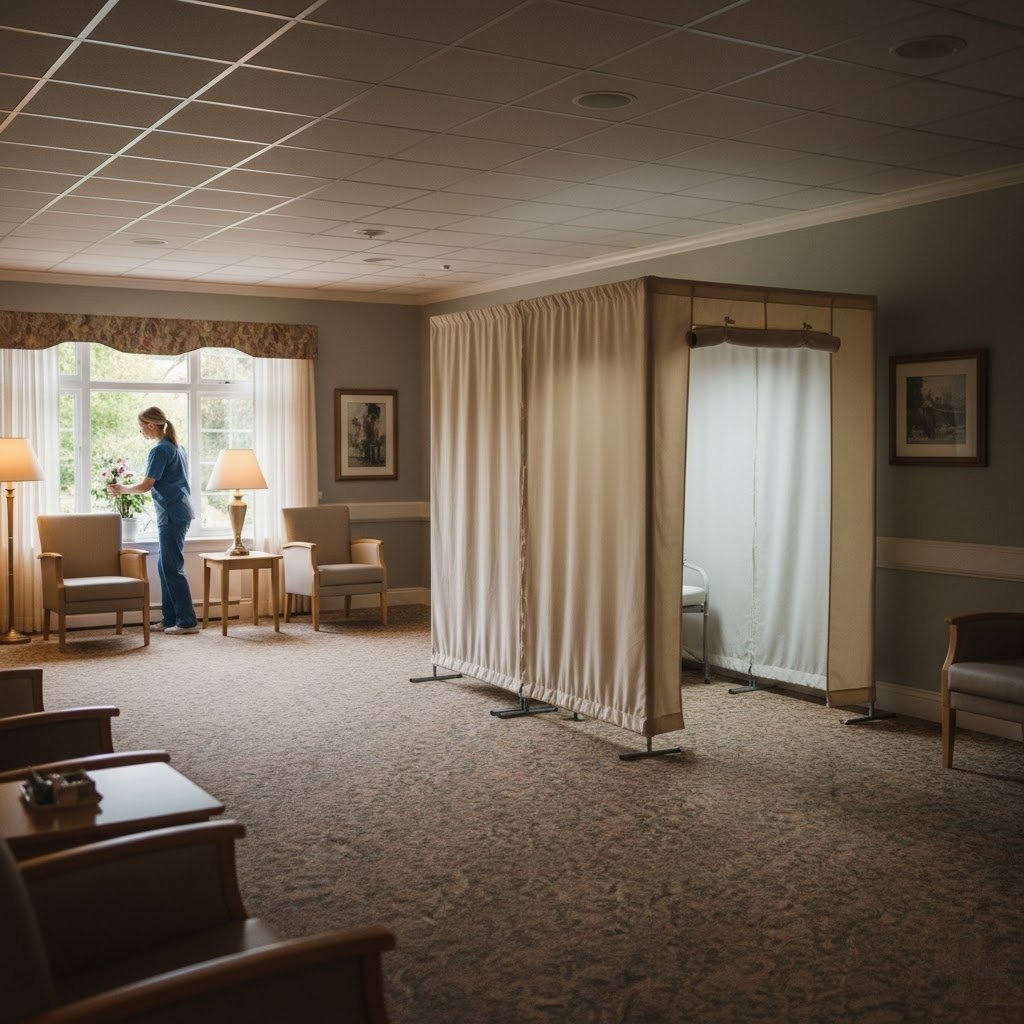
Nursing home mold remediation in Albuquerque typically ranges from $2,500 to $35,000+, depending on the size of the facility, number of affected rooms, HVAC involvement, and restoration needs. Treating a few resident bathrooms in Nob Hill is very different than addressing a full wing in Northeast Heights or Uptown. Every project starts with a detailed facility walkthrough and written estimate. For accurate pricing for your property, call 505-359-5669 to schedule an on-site assessment.
Why Nursing Home Mold Remediation Is Critical
Nursing home mold remediation protects your residents by removing harmful colonies and stopping moisture-driven regrowth in rooms where seniors live, sleep, and receive care. Mold thrives on damp drywall, ceiling tiles, and flooring, releasing spores that can worsen chronic obstructive pulmonary disease (COPD), asthma, and other respiratory conditions common in elder care. This matters because residents may already be medically fragile, and even small changes in indoor air quality can trigger coughing, infections, or longer recovery times. Using HEPA vacuums, containment barriers, and dehumidifiers helps bring moisture levels and contamination risk under control.
The structural risk is just as real: left untreated, mold can weaken subflooring in bathrooms, damage wall cavities between rooms, and infiltrate fiberglass insulation above hallways. In one local long-term care facility near Downtown Albuquerque, a slow leak from a resident shower migrated behind walls into the corridor, causing ceiling tile stains and odor; after we followed IICRC-informed remediation steps, corrected moisture levels, and replaced damaged building materials, the wing returned to safe operation without repeated closures. If you’re seeing stains, smelling musty odors, or hearing resident complaints about their rooms, call 505-359-5669 so we can protect both your residents and your building.
Causes of Mold in Albuquerque Nursing Homes
Nursing home mold remediation begins with the fact that mold develops when moisture reaches porous surfaces such as drywall, insulation, wood framing, or carpet backing and remains trapped. In Albuquerque senior facilities, this moisture often comes from bathroom humidity, leaking pipes in walls, roof damage over long corridors, and HVAC condensation around vents and air handlers. This matters because you cannot permanently fix mold by cleaning surfaces alone; you must identify and repair the actual moisture source to protect residents long-term. Tangible tools like moisture meters, thermal imaging cameras, and inspection of air handlers and ductwork help us pinpoint hidden problem areas.
Older facilities in Central Albuquerque, Uptown, and the Westside may have flat roofs that collect water during monsoon storms, leading to ceiling tile stains in hallways and common rooms. Shared bathrooms and ADA-compliant showers generate constant humidity, which can seep into wall cavities if exhaust fans or ventilation systems are outdated. Laundry rooms and kitchens add steam and heat, while HVAC systems—especially older units or those using evaporative cooling—can cause condensation in mechanical rooms and ceiling plenums. For example, we’ve seen mold grow behind a bank of resident room closets in a Northeast Heights assisted living facility because a hidden plumbing chase dripped slowly for months. If your nursing home has experienced roof leaks, plumbing issues, or chronic humidity, call 505-359-5669 so we can identify and correct the exact causes before they impact more residents.
Signs of Mold in Senior Living Facilities
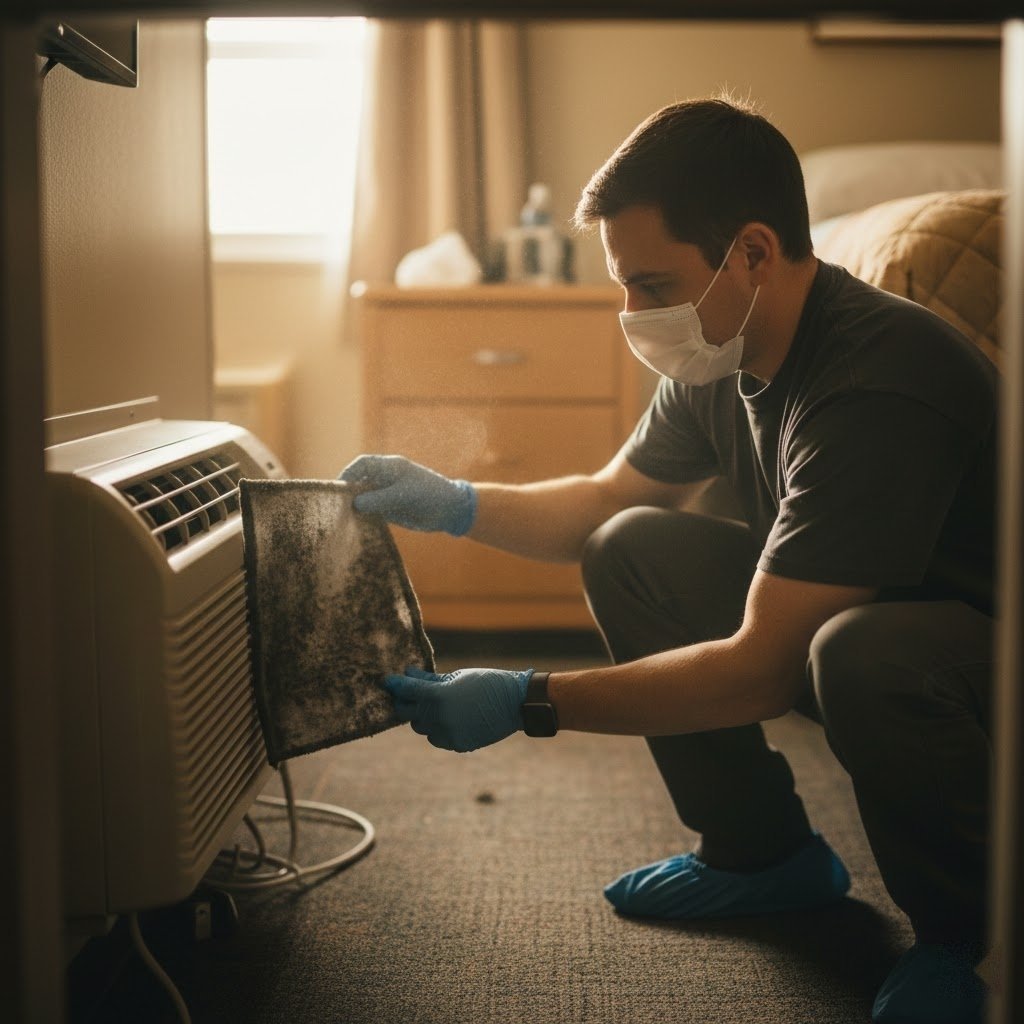
Nursing home mold remediation is often triggered when staff notice musty smells, stains, or resident complaints that point to hidden contamination. Most mold problems in long-term care settings reveal themselves through visible growth, odors, or health symptoms before structural damage is clearly visible. This matters because early detection allows you to limit the affected area, protect medically fragile residents, and avoid larger-scale closures. Tangible signs include ceiling tile stains in hallways, black or green spots in resident bathrooms, discoloration around vents, and soft or bubbled drywall along baseboards.
Abstract signs show up as changes in indoor air quality and resident health patterns. Staff may notice more coughing, sneezing, or allergy complaints from residents on a specific wing, or families may comment that a room smells “damp” or “old” despite routine cleaning. Hidden mold can exist behind headboards, inside wall cavities between back-to-back bathrooms, or above dining-room ceilings where roof penetrations have leaked. In one Albuquerque-area memory care community, staff reported a persistent musty odor near an activity room; after we inspected and used HEPA-filtered containment to open the wall, we discovered mold behind wallpaper caused by a long-term condensation issue on an exterior wall. If residents or staff are repeatedly reporting odors or symptoms in particular areas, call 505-359-5669 to arrange a targeted mold inspection before the problem spreads.
Our Nursing Home Mold Remediation Process
Nursing home mold remediation follows a strict, resident-focused process that prioritizes safety, containment, and documentation. Professional remediation begins with a facility-wide inspection that focuses first on resident rooms and high-occupancy areas, then extends to hallways, dining spaces, therapy rooms, kitchens, and mechanical rooms.
Facility-Wide Inspection
We use moisture mapping, thermal imaging, and inspection of ceiling tiles and air handlers to understand how far contamination has travelled through shared walls and ductwork. This matters because long-term care buildings often have multi-room, multi-floor connections through plumbing stacks and HVAC systems, and we need a full picture to prevent recontamination.
Containment and Safety
Once we understand the problem, we design containment that works within your nursing home’s layout and care routines. We set up plastic barriers, zipper doors, and negative air machines with HEPA filters around affected rooms or wings. We plan safe paths so residents, families, and staff can move without entering work zones, and our crews wear PPE to protect everyone involved.
Removal and Restoration
Mold removal includes HEPA vacuuming, removal of moldy materials, detailed cleaning, and antimicrobial treatments. We correct moisture sources—repairing plumbing or HVAC issues—and restore with new drywall, flooring, and antimicrobial coatings. Finally, we conduct clearance testing to provide written documentation for administrators and insurers.
Types of Mold and Risk Levels in Nursing Homes
Nursing home mold remediation must consider both the type of mold and the vulnerability of residents who may be exposed. Broadly, mold in long-term care settings can be allergenic, pathogenic, or toxigenic, with species like Aspergillus and Penicillium often thriving in damp ceiling tiles and wall cavities, and Stachybotrys chartarum (black mold) sometimes developing on chronically wet drywall. This matters because elderly residents with compromised immune systems, lung disease, or heart conditions may react more severely to spores and fragments than the general population, even at relatively low levels. Managing contamination risk requires controlling moisture, improving air quality, and following EPA-aligned cleanup guidance.
Our focus is not on alarming residents or families with lists of Latin names, but on safely removing the mold and restoring clean, dry surfaces and air. Visual and moisture-based assessments guide removal, and when needed, we can coordinate with third-party environmental professionals to perform testing or confirm species. For example, in an assisted living apartment cluster near Uptown, a persistent patch of mold behind a resident’s dresser turned out to be part of a larger wall cavity problem where Aspergillus species had colonized damp insulation from a plumbing leak; once the leak was fixed, damaged materials removed, and HEPA cleaning performed, air quality improved and resident symptoms declined. If you’re concerned about what kind of mold might be present in your facility, call 505-359-5669 to discuss assessment and appropriate testing options.
Nursing Homes vs Residential vs General Commercial Remediation
Nursing home mold remediation differs significantly from residential or general commercial work in risks, requirements, equipment, process, documentation, and speed. Residential projects focus on protecting families and property, while ordinary commercial jobs emphasize employees and business operations; nursing homes add the complexity of elderly and often medically fragile residents who may use oxygen, mobility aids, or have cognitive impairments. This matters because even short-term exposure to poor indoor air quality can have more serious consequences in long-term care than in a typical office. We respond with larger HEPA filtration capacity, stricter containment, and enhanced communication protocols.
Equipment and containment are scaled differently in senior facilities, often requiring multi-room or multi-wing zoning with negative air machines and dust-control measures that still allow safe wheelchair and walker passage. Documentation must be thorough enough for internal quality teams, state health regulators, and insurers, including moisture readings, photo logs, and remediation summaries. Speed is crucial: facility leadership needs fast, decisive action to reduce closure time and safeguard reputation, while still meeting EPA and OSHA expectations. If you need a remediation partner who understands how long-term care differs from houses and basic offices, call 505-359-5669 so we can design a nursing home–specific approach for your building.
Prevention Tips for Nursing Homes and Assisted Living Communities
Nursing home mold prevention after remediation is most effective when it leads to a practical, ongoing strategy. Prevention focuses on ventilation, dehumidification where needed, routine leak checks, and airflow management around bathrooms, laundry rooms, and kitchens. This matters because mold grows when moisture lingers on or inside porous materials, and long-term care facilities have constant water use in resident bathrooms, showers, and cleaning routines. Regular inspections with moisture meters, along with staff awareness training, help catch issues early.
Practical tips include implementing a daily or weekly bathroom check for soft drywall, discolored caulk, or loose tiles; scheduling regular roof inspections for flat-roof facilities in areas like Central Albuquerque and the Westside; and ensuring HVAC condensate drains and pans are maintained to prevent overflow into ceiling spaces. Laundry rooms and therapy areas with pools or whirlpools should have functioning exhaust fans and dehumidifiers to keep humidity in check. Facility staff can be trained to report any musty odors immediately rather than waiting for visible damage. If you’d like help building a nursing home–specific mold prevention checklist for your maintenance team, call 505-359-5669 and ask about a proactive moisture and air quality review.
Why Choose Mold Removal Albuquerque for Nursing Home Mold Remediation
Nursing home mold remediation with Mold Removal Albuquerque gives you a local partner that understands long-term care buildings, resident safety, and Albuquerque’s unique climate. We have experience working in elder care facilities, assisted living communities, and memory care properties across areas like Downtown, Nob Hill, Northeast Heights, and Uptown, where flat roofs, aging plumbing, and desert dust combine to challenge indoor air quality. This matters because you need a team that recognizes how roof design, plumbing stacks, and shared HVAC systems in senior buildings can spread moisture and spores from room to room.
Our field procedures are informed by IICRC S520 mold remediation principles and aligned with EPA guidance and OSHA safety practices, and we adapt them to the realities of elder care—minimizing trip hazards, controlling noise, and clearly labeling work zones. We use tangible tools like HEPA vacuums, negative air machines, dehumidifiers, moisture meters, and thermal imaging to identify and treat mold while protecting residents and staff. Abstract priorities like air quality, contamination risk, and compliance are woven into every decision we make on-site. To work with a remediation company that treats your residents’ safety as the top priority, call 505-359-5669 today.
Experience, Expertise, and Trustworthiness in Senior Care
Nursing home mold remediation requires a disciplined, safety-first mindset backed by real experience. Mold Removal Albuquerque has spent years serving properties across the Albuquerque area, including senior-focused buildings with complex layouts and high-risk residents. This matters because elder care facilities must balance infection control, comfort, and operational continuity, and you can’t afford guesswork or trial-and-error approaches.
Our team follows methods informed by IICRC S520 mold remediation standards, applies EPA-aligned practices for mold cleanup, and respects OSHA safety guidance for workers and occupants. We track response times, the number of healthcare and senior-care projects completed, and measurable outcomes like moisture reduction and successful clearance verifications. Transparent communication with facility managers, nursing leadership, and maintenance staff builds trust, and clear documentation supports your risk management and insurance conversations. If you want a remediation partner that understands both technical standards and the realities of senior living, call 505-359-5669.
Mold Challenges in Albuquerque Senior Facilities
Nursing home mold remediation in Albuquerque must account for local building styles, weather patterns, and neighborhood conditions. Many long-term care and assisted living facilities in Central Albuquerque and Downtown are older buildings or expanded campuses with flat roofs, multiple wings, and complex plumbing networks. This matters because monsoon rains can exploit small roof weaknesses and send water into ceiling cavities above resident rooms, dining halls, or corridors, creating ceiling tile stains and hidden mold if not promptly addressed.
In Northeast Heights and Uptown, larger retirement communities and senior apartments often combine multi-story wings with centralized HVAC systems, making moisture control around air handlers, mechanical rooms, and vertical plumbing stacks essential. Facilities on the Westside and Paradise Hills may use broad, sprawling footprints with long corridors and many bathrooms, increasing the number of potential leak points and ventilation challenges. Albuquerque’s temperature swings and dust also play a role: cooler nights and warm days can create condensation on chilled surfaces, while fine dust settling on vents and surfaces adds organic material that mold can feed on when moisture appears. If your senior facility in any Albuquerque neighborhood has recurring moisture issues or musty areas, call 505-359-5669 to schedule an inspection designed specifically for local building conditions.
Serving nursing homes, assisted living communities, and senior living facilities throughout the Albuquerque area, from Downtown and Central corridors to Northeast Heights, Uptown, and Westside neighborhoods.
FAQ: Nursing Home Mold Remediation
Mold is especially dangerous for seniors because many have weaker immune systems, chronic lung or heart conditions, and higher sensitivity to indoor air quality changes. Even mild growth can trigger serious symptoms. Call 505-359-5669 if residents report new or worsening breathing issues.
We inspect, contain affected areas with HEPA-filtered negative air, remove moldy materials, correct moisture sources, and restore surfaces, all while maintaining safe pathways and careful scheduling. Request a facility plan so we can align the process with your care routines.
Not necessarily. Some residents can remain in unaffected rooms while specific rooms or wings are treated. Decisions depend on contamination level and resident health. Call 505-359-5669 to discuss resident relocation options for your situation.
Timeframes vary from a day or two for localized issues to several days or staged phases for larger areas. Scope, moisture repairs, and restoration all affect duration. We provide a clear schedule after your on-site assessment.
Yes, spores can move through shared ductwork if systems are contaminated or moisture persists around coils and drip pans, so HVAC inspection is often part of nursing home projects. Ask us to include HVAC evaluation during your inspection.
Yes, we create reports summarizing findings, remediation steps, moisture corrections, and clearance results that you can share with administrators, state inspectors, families, and insurance carriers. Call 505-359-5669 if you need compliance-ready documentation.
Micro Case Study: Mold in Resident Bathrooms and Hallway
A nursing home near Central Albuquerque noticed musty odors and ceiling stains outside a cluster of resident bathrooms. We inspected, found plumbing leaks in shared wall cavities, installed HEPA-filtered containment, removed moldy drywall and tiles, repaired leaks, and restored finishes. Result: improved air quality, no resident relocations beyond one room, and full documentation for ownership and insurers.
Related services and helpful resources on this site
Nursing home mold remediation often connects to other building and safety services that support seniors and caregivers. Many operators manage multiple property types—such as assisted living cottages, memory care units, or affiliated medical offices—that may also need professional remediation or prevention planning. Linking services helps facility leadership build a complete risk-management strategy.
- Healthcare Facility Mold Remediation for clinics and outpatient care
- Hospital Mold Remediation for acute-care partners
- Commercial Mold Remediation for administrative and support buildings
- Water damage restoration to handle leaks and flooding events
- Mold inspection and testing services
- Contact page to request quotes, schedule inspections, or ask questions
If you manage multiple senior properties and want a unified strategy, call 505-359-5669 so we can design a portfolio-wide mold and moisture plan.
Ready to Protect Your Residents and Facility?
Nursing home mold remediation is not just a building maintenance task—it’s a resident safety priority. Acting quickly when you see stains, smell musty odors, or hear complaints can prevent serious respiratory complications, reduce liability, and protect the reputation you’ve built in the community. This matters because families trust you with their loved ones, and a clean, healthy environment is a core part of that trust.
Mold Removal Albuquerque is ready to inspect, contain, remove, and help prevent mold in your nursing home, assisted living community, or retirement residence. We combine professional equipment, clear communication, and an understanding of Albuquerque’s buildings and climate to deliver safe, compliant solutions. Call 505-359-5669 today or submit our online form to schedule your nursing home mold assessment and remediation plan.