Church Mold Remediation in Albuquerque, NM
Finding mold or a persistent musty odor in a church or worship facility can feel overwhelming for pastors, trustees, and congregations. Mold spreads quietly through sanctuaries, basements, and fellowship halls while people gather to breathe, sing, and pray. Mold Removal Albuquerque provides professional, respectful church mold remediation for worship centers throughout the Albuquerque area. We eliminate mold safely and discreetly using procedures based on EPA guidance and IICRC standards, helping you protect your people, your building, and your ministries.
Call 505-359-5669 or use the contact page to schedule a confidential church mold inspection.
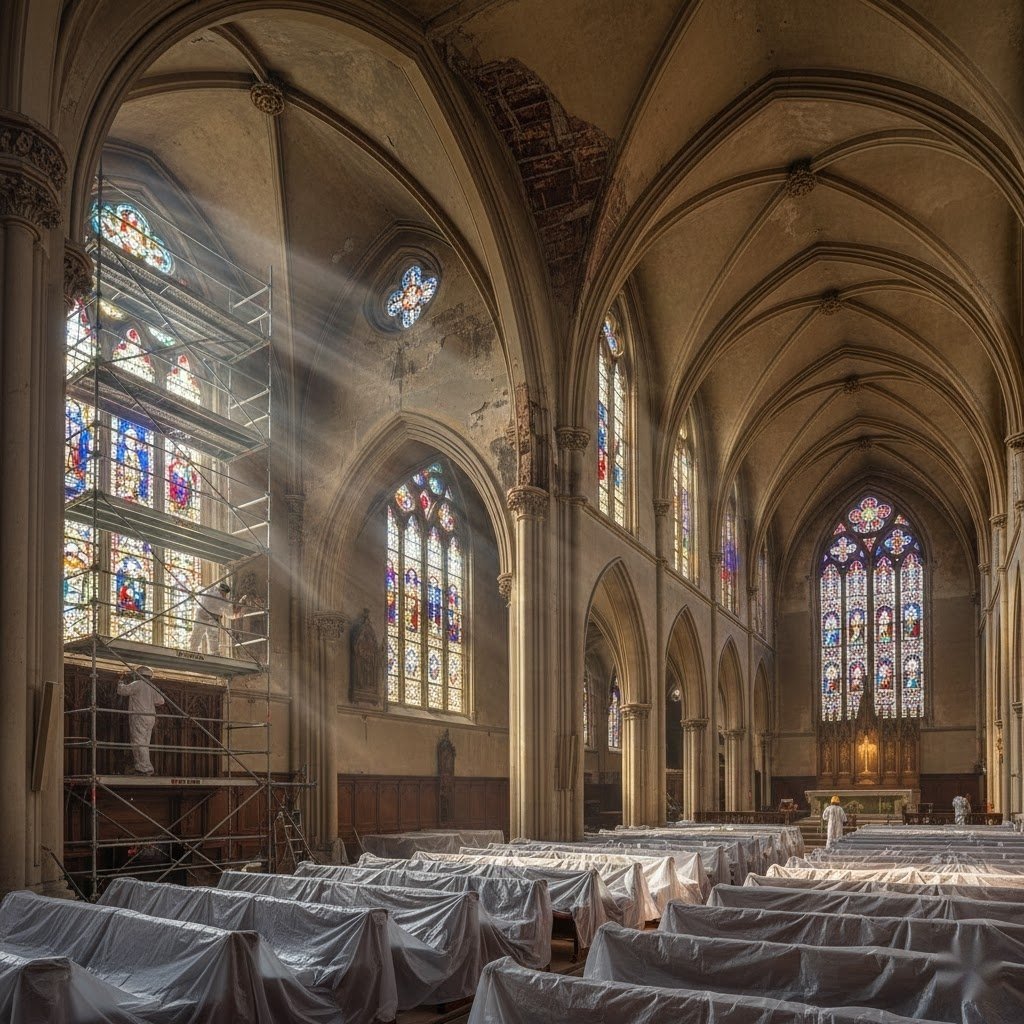
How much does Church Mold Remediation cost in Albuquerque?
Church mold remediation in Albuquerque typically ranges from $1,800–$7,500 for a single basement room or fellowship hall, and $8,000–$40,000+ for larger sanctuaries, extensive ceiling damage, or HVAC contamination. Costs vary with building size, ceiling height, material replacement, schedule constraints, and moisture repairs in areas like Downtown, Nob Hill, and the Westside. A thorough inspection is required for an exact quote.
Why Church Mold Remediation Matters for Your Congregation
Church mold remediation protects your congregation by removing harmful mold colonies and stopping moisture-driven regrowth in the spaces where people worship and gather. Large sanctuaries, choir lofts, and classrooms often hold air for long periods, so spores can accumulate and linger during services. This matters because elderly worshippers, children, choir members, and people with asthma are especially sensitive to air quality and musty environments. For example, a congregation near Northeast Heights noticed increased coughing and throat irritation during Sunday services until hidden mold behind sanctuary walls was addressed. If you want worshippers to focus on messages, not breathing discomfort, call 505-359-5669 for a church-specific mold inspection.
Church mold remediation also protects the long-term integrity of your building and its furnishings. Older churches in Albuquerque often feature wooden pews, paneling, organ lofts, thick walls, and carpeted aisles that can trap moisture from roof leaks, swamp coolers, or basement dampness. This matters because slow leaks and trapped humidity can quietly damage beams, drywall, and historic finishes long before major cracks appear. A small roof leak over a balcony can eventually lead to weakened framing and expensive reconstruction. Addressing mold early keeps restoration more manageable and preserves the character of your worship space. If you’ve noticed stains or musty areas in your sanctuary, schedule an early assessment before minor damage grows.
Mold remediation in churches also safeguards your mission and reputation. Visitors and members expect a space that smells clean and feels safe, not a sanctuary or fellowship hall that smells like a damp basement. Musty odors, visible mold spots, or stained ceiling tiles can distract people from worship and even discourage attendance. This matters because a church is not just a building—it’s a gathering point for families, small groups, and outreach programs, and poor air quality undercuts that role. We’ve worked with churches near Old Town and the South Valley where addressing mold restored both the building and the congregation’s confidence in using every room. If you want your facility to reflect care and stewardship, call 505-359-5669 for discreet help.
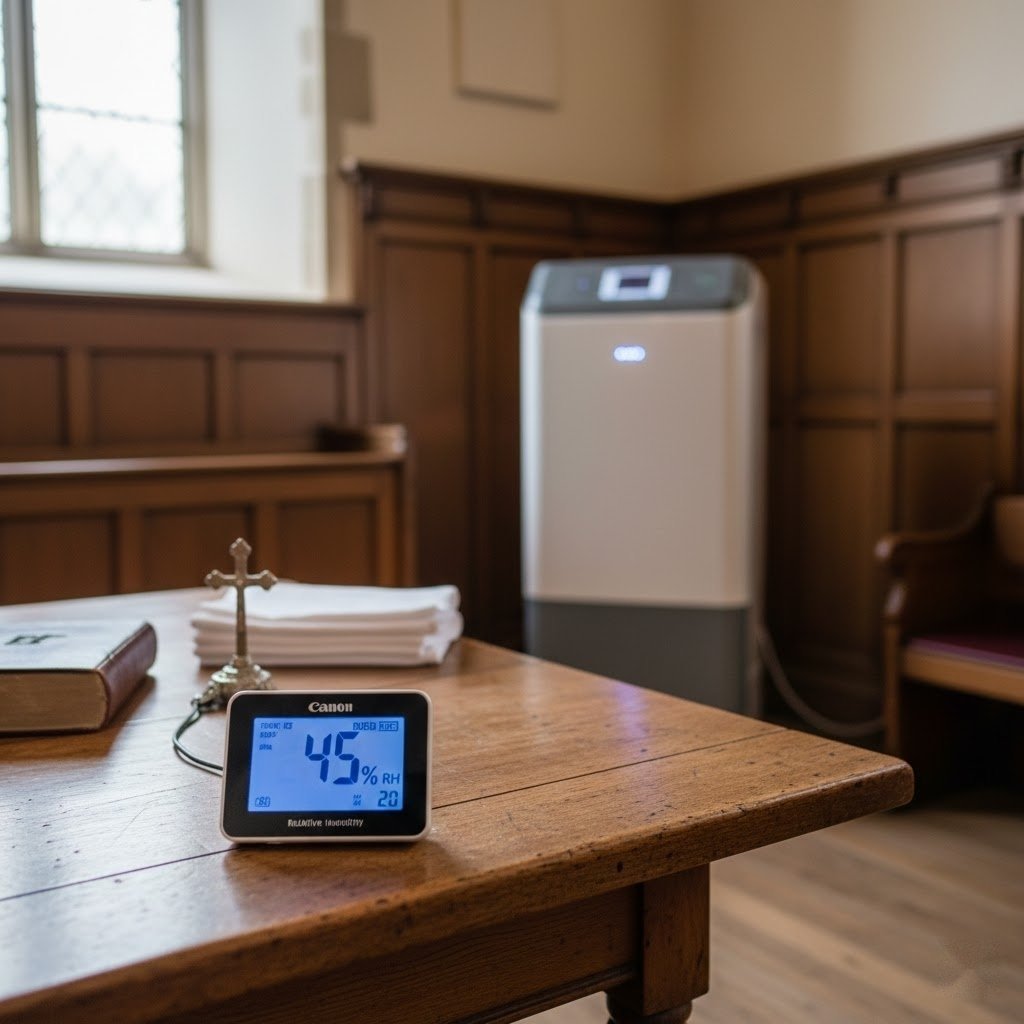
Causes of Mold in Albuquerque Churches
Mold develops when moisture reaches porous surfaces such as drywall, insulation, wood pews, carpet padding, and ceiling tiles, and churches have several unique moisture patterns that make them vulnerable. Large roofs over sanctuaries, fellowship halls, and classrooms are common sources of leaks, especially on older flat or low-slope roofs that see monsoon storms. This matters because even small, slow leaks can saturate insulation above ceilings, creating mold colonies that only show up as faint stains or odors at first. We’ve inspected sanctuaries near Downtown where a tiny roof penetration above a light fixture caused widespread staining across the ceiling grid. If you’ve seen new ceiling discoloration after a storm, call 505-359-5669 to check for hidden moisture.
Basements and crawlspaces beneath churches are another frequent source of mold. Many Albuquerque worship centers have older basements used for storage, youth rooms, or overflow classrooms with minimal ventilation. Ground moisture, poor drainage, or older plumbing can raise humidity and create damp walls, carpets, and framing. This matters because mold in basements often spreads odors and spores upward into classrooms and sanctuaries through stairwells and ductwork. One fellowship hall near the International District had a persistently musty smell traced back to a damp storage room below. If your lower-level rooms smell damp or feel clammy, schedule a moisture mapping visit.
Baptismal areas, restrooms, and kitchens introduce water right into the heart of the building. Baptismal tanks, baptisteries, or portable pools can overflow or leak around seals and drains; kitchens and restrooms have sinks, dishwashers, and supply lines that can drip unnoticed. This matters because water in these areas often runs into wall cavities or under flooring where mold can grow without being visible. We’ve seen choir rooms and nearby offices affected by slow plumbing leaks in adjacent restrooms. If you’ve had any plumbing events, even small ones, consider a follow-up mold inspection to ensure nothing was left behind.
HVAC condensation and older cooling systems, including swamp coolers, also drive mold issues in churches. Large air handlers and duct runs serving tall sanctuaries can produce condensate on metal surfaces and in pans or lines. When temperature swings and desert dust combine with moisture, mold may form around vents, in ceiling cavities, or inside ductwork. This matters because air flowing through those pathways can distribute spores and musty smells across the entire building. An Albuquerque church in Uptown experienced recurring “old building odor” during summer services until HVAC mold removal and drainage issues were addressed. If you notice odors strongest when the system runs, call 505-359-5669 to discuss HVAC-related mold risks.
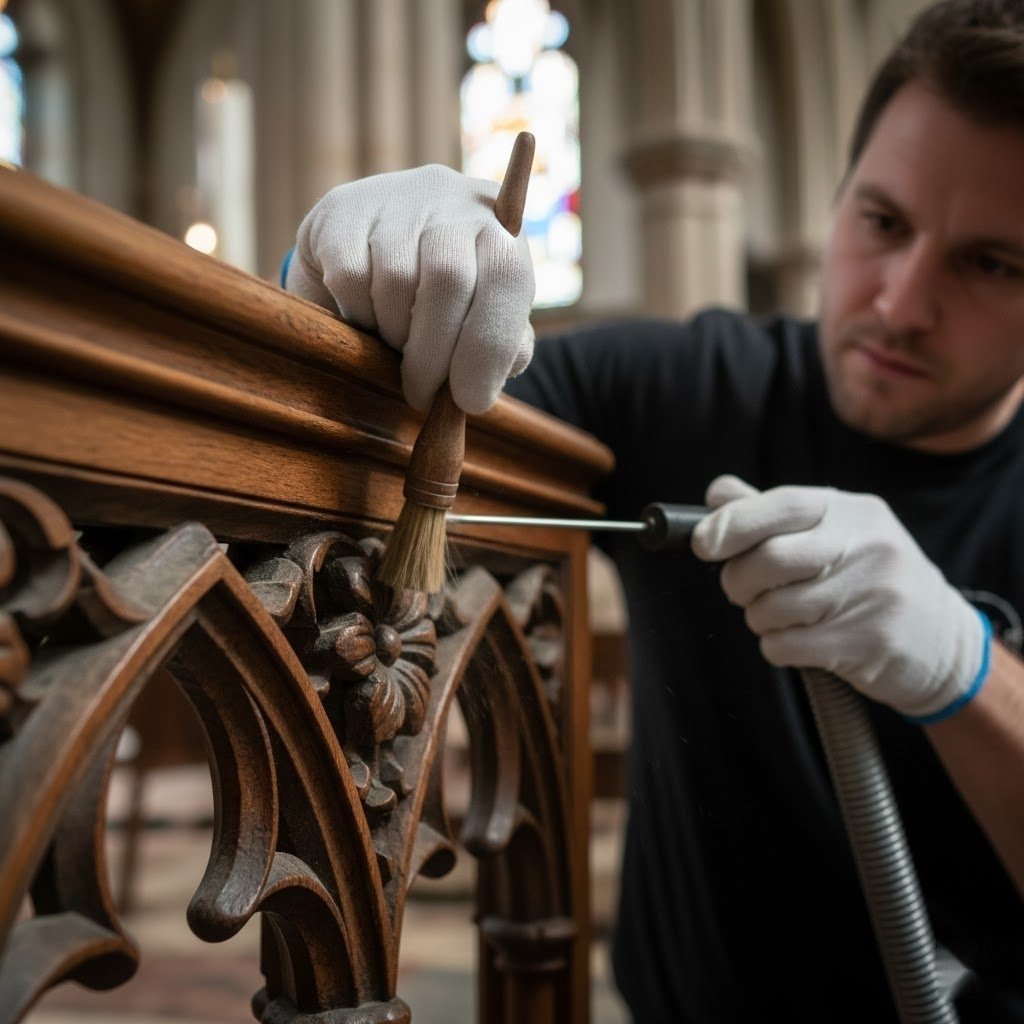
Signs of Mold in Churches and Worship Facilities
Most church mold problems reveal themselves through visible growth, odors, or health symptoms before major structural issues appear, and learning these signs helps leaders respond early. A persistent musty odor in the sanctuary, hallways, choir room, or basement—especially noticeable when the building first opens—is one of the most common red flags. This matters because that odor often indicates mold metabolites in the air, even if visible growth is not yet obvious. We’ve walked into fellowship halls near Paradise Hills where the smell alone indicated significant basement mold below. If your church smells damp or “old” even after cleaning, call 505-359-5669 for a professional evaluation.
Ceiling tile stains, peeling paint, or dark spotting on high ceilings and around light fixtures are another clear warning. Water stains that get larger after rainfall or HVAC use almost always mean continuing moisture. Small dark dots around vents, windows, or along roof lines can indicate mold. This matters because ceiling systems above sanctuaries and classrooms often hide large areas of wet insulation or framing that need attention. In one Northeast Heights church, a few stained tiles above the choir loft were the visible tip of an extensive roof leak issue. If you see recurring or spreading stains, schedule an inspection before they turn into sagging or collapsed sections.
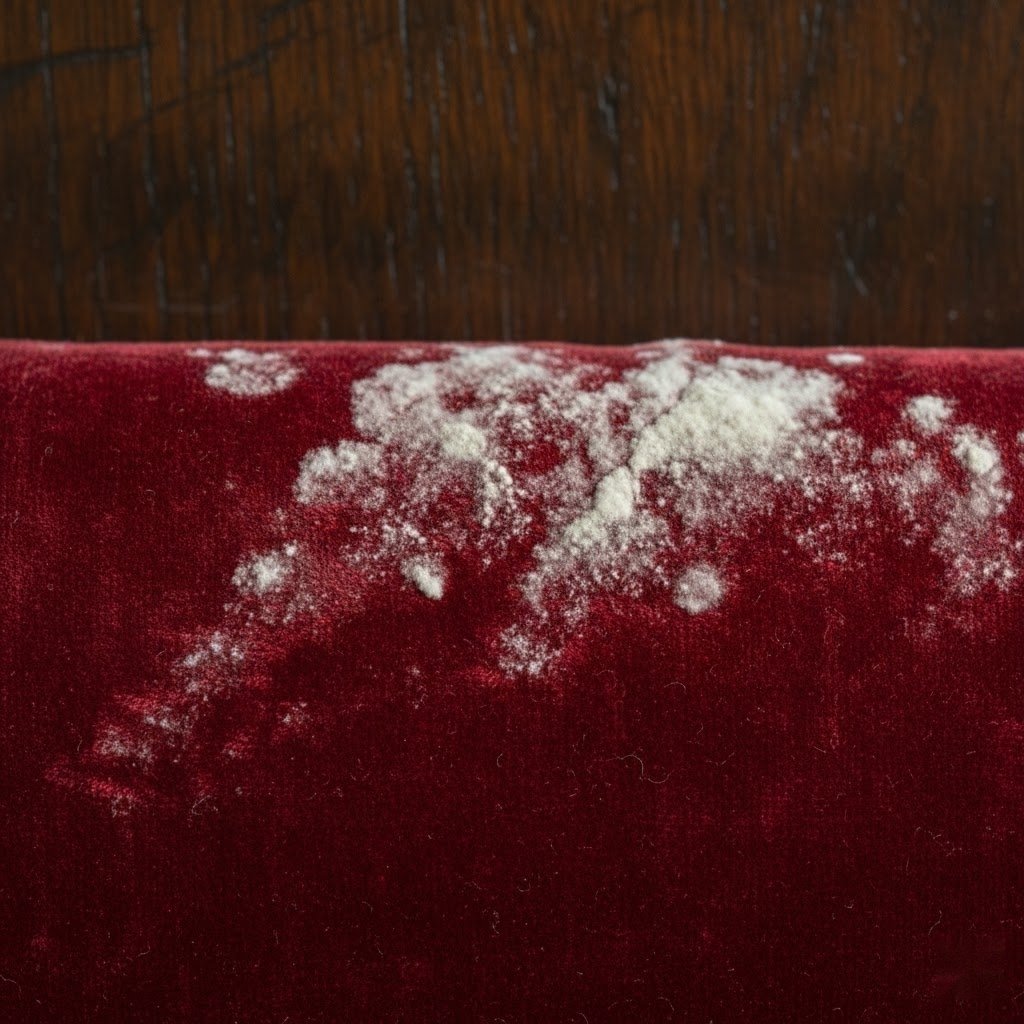
Mold on or near wood and drywall is also a critical sign. Dark streaks on baseboards, fuzzy growth near windows, or discoloration on pew ends and wooden trim suggest persistent dampness. Carpets that smell sour or feel damp along exterior walls may hide mold in the padding. This matters because churches often have valuable or historic woodwork that can be saved if treated early but may be lost if decay advances. We’ve helped preserve wooden pews and wainscoting in older Albuquerque churches by intervening before mold caused deep damage. If you notice blotchy or fuzzy areas on wood or walls, call 505-359-5669 quickly.
Finally, pay attention to the congregation. Increased coughing, throat irritation, or allergy-like symptoms during services, choir practice, or children’s programs can be a sign of air quality problems. If symptoms ease when people leave the building, mold or dampness may be a factor. This matters because your church’s mission includes caring for people’s well-being, not exposing them to environments that could aggravate breathing issues. If members frequently mention headaches or breathing discomfort during services, request a church mold inspection as a precaution.
Our Church Mold Remediation Process
Professional church mold remediation follows a strict, step-by-step process to contain, remove, and prevent mold while respecting worship schedules, sacred spaces, and congregational life. This matters because churches blend public assembly, sensitive materials, and ongoing ministry; work must be both technically sound and respectfully managed. Mold Removal Albuquerque uses a process informed by EPA guidance, IICRC S520 principles, and OSHA-aware safety practices so that clergy, boards, and congregations can feel confident in the outcome.
Full Church Inspection & Moisture Mapping
Church mold remediation starts with a detailed inspection of the sanctuary, fellowship halls, classrooms, nurseries, choir rooms, kitchens, restrooms, offices, basements, attics, and crawlspaces. We visually inspect surfaces and use moisture meters and other tools to identify hidden damp areas in walls, floors, and ceilings. HVAC units, ductwork, and registers are checked for signs of condensation or microbial growth. This matters because mold is often a building-wide issue, not just a single stained spot, and understanding the full picture prevents incomplete fixes. If you want a thorough, honest assessment rather than a quick patch, call 505-359-5669.
Respectful, Low-Disruption Containment
Once we understand where mold is present, we design containment zones to isolate affected areas. We install physical barriers, protect flooring and pews, and use HEPA-filtered negative-air machines to keep spores from spreading to other parts of the church. We coordinate our work schedule around services, prayer meetings, and community events, often focusing disruptive tasks on weekdays, evenings, or off-hours. This matters because your church needs to remain as open and peaceful as safely possible. If avoiding service cancellations is a priority, let our team plan phased, low-disruption remediation for you.
Safety, Compliance & Documentation
Throughout the project, our technicians use appropriate personal protective equipment (PPE) and follow OSHA-aware safety practices to protect workers and occupants. We align our approach with EPA mold cleanup concepts and IICRC S520 remediation principles, documenting the conditions we find and the steps we take. This matters because church boards, insurers, and, in some cases, historic committees may require evidence that mold was handled properly. Clear photos, moisture readings, and written summaries provide that assurance. If your board needs documentation to support decisions or insurance claims, call 505-359-5669.
Surface-Level Mold Removal in Sanctuaries & Halls
In sanctuaries, fellowship halls, and classrooms, we begin by HEPA vacuuming surfaces to capture loose spores from walls, trim, pews, carpets, and ceiling areas within reach. We remove mold-contaminated ceiling tiles and other porous materials that cannot be safely cleaned. Then we clean and treat walls, window frames, vents, and other surfaces with appropriate antimicrobial products, taking care around stained wood, organ areas, and delicate finishes. This matters because visible surfaces are what congregations see and smell first, and they must be truly clean, not just wiped. If your sanctuary or hall looks tired and smells musty, call 505-359-5669 for a tailored cleanup plan.
Structural Mold Removal in Basements & Cavities
When mold has penetrated behind drywall, into insulation, or across basement and crawlspace structures, we perform controlled removal of affected building materials. We cut out damaged drywall, remove saturated insulation, and clean exposed framing and subfloor with HEPA vacuuming and antimicrobial treatment. In basements and crawlspaces, we address mold on masonry, joists, and support beams, often recommending dehumidification or improved ventilation afterward. This matters because structural mold left behind walls or under floors will continue to affect air quality upstairs. If you suspect mold goes deeper than what you see, call 505-359-5669 for a more complete approach.
Moisture Source Repair
True church mold remediation is not finished until moisture sources are addressed. We help identify and coordinate repairs for roof leaks over sanctuaries and classrooms, window and wall penetrations where rain enters, and plumbing leaks in restrooms, baptistry areas, or kitchens. HVAC condensation issues, such as clogged drains or uninsulated cold surfaces, are also tackled. This matters because without moisture correction, mold will eventually return even to freshly cleaned surfaces. If you’ve already tried cleaning and mold keeps reappearing, schedule a visit so we can focus on what’s feeding it.
Restoration & Final Verification
After cleanup and moisture repairs, we restore affected spaces so they are ready for services and activities. This may include installing new drywall, replacing ceiling tiles, repainting with mold-resistant coatings, cleaning and re-setting pews or chairs, and, if needed, replacing damaged carpets. We then confirm that previously wet materials are dry and that treated areas are visually clean. Optional post-remediation verification or air sampling can be arranged if leadership desires third-party verification. This matters because your congregation wants to see a clear change: cleaner surfaces, fresher air, and no more stains. If you want your church to look and feel renewed as well as remediated, call 505-359-5669.
Types of Mold Commonly Found in Churches
Church mold remediation must account for different mold types, because older buildings with varied materials can host a mix of colonies. Black mold, including species like Stachybotrys chartarum, often appears in areas with long-term wetness such as behind leaking walls or under chronically damp carpets. This matters because these molds thrive in heavily water-damaged materials and can indicate more serious moisture problems. Removing damaged drywall and insulation in these locations is often essential. If you suspect long-standing leaks or dark, slimy growth (black mold), schedule an inspection as soon as possible.
Allergenic molds like Aspergillus and Penicillium are also common in churches, particularly in dust-laden basements, HVAC systems, and stored items. These molds can grow on cardboard, stored decorations, hymnals, and other items left in humid rooms. This matters because they may not look dramatic, but they can contribute to allergy and asthma symptoms in sensitive congregants. Careful cleaning, HEPA vacuuming, and, when needed, discarding heavily affected items keeps indoor air quality healthier. If your church stores many items in damp rooms, call 505-359-5669 to discuss options for safe cleanup.
Mildew-type growth on bathroom surfaces, shower rooms, and around baptistry areas is common where moisture is frequent but surfaces are only lightly porous. While some of this growth can be cleaned, it still signals conditions that need better ventilation and drying to avoid deeper mold problems. This matters because ignoring small surface growth invites larger structural issues over time. If you’re constantly fighting “mildew” in certain rooms, ask us about a more durable solution beyond repeated scrubbing.
Church vs Residential vs Commercial & Industrial Mold Projects
Church mold remediation differs from residential, commercial, and industrial projects in ways that affect risk, equipment, process, documentation, and speed. Homes usually involve smaller spaces and more predictable occupancy, while standard offices often lack tall sanctuaries, basements, and large assembly halls. Churches combine features from both, plus unique elements like baptismal areas and historic woodwork. This matters because the balance of risk includes not only structural damage, but the health of varied age groups and the continuity of worship services. If you want a plan designed specifically for worship facilities—not just a generic commercial template—call 505-359-5669.
Compared to industrial sites, churches demand a higher level of discretion and sensitivity during work. Industrial remediation may occur with full closures and heavy equipment visible, but churches often need to maintain prayer meetings, counseling sessions, and community outreach even while repairs are underway. Documentation also differs: church boards, denominational bodies, and insurers may all need clear, respectful communication. This matters because your leadership has a duty of care to congregants and must be able to show that steps taken were responsible and thorough. If you need a remediation partner comfortable working with boards and committees, Mold Removal Albuquerque is ready to help.
Mold Prevention Tips for Churches
Effective mold prevention starts with regular roof and exterior checks, especially on large, flat, or low-slope roofs common in Albuquerque sanctuaries and fellowship halls. Inspecting for cracks, ponding water, failed flashing, and clogged drains after storms keeps leaks from becoming chronic moisture sources. This matters because a brief inspection can prevent years of slow, hidden water damage above ceilings. If you’ve had recurring roof issues, call 505-359-5669 to pair prevention with professional moisture assessment.
Basement and crawlspace ventilation is another essential step. Improving airflow, managing drainage, and using dehumidification where necessary helps keep lower levels dry, protecting storage rooms, classrooms, and mechanical spaces. This matters because dry basements significantly reduce odor and mold risks upstairs. In some Albuquerque churches, simple changes in grading or sump pump maintenance have made a huge difference. If your basement is always damp or smells earthy, ask us about practical drying and remediation options.
HVAC maintenance, including cleaning coils, checking condensate drains, and sealing duct leaks, supports both comfort and mold prevention. Balancing heating and cooling in tall sanctuaries can reduce condensation on windows and metal surfaces, especially during seasonal temperature swings. This matters because condensation is often the hidden bridge between “just humid” and “now we have mold.” If your system is older or uses swamp coolers, call 505-359-5669 for guidance on reducing moisture-related risks.
Finally, establish a simple moisture inspection routine across the facility. Training maintenance teams and ministry leaders to report stains, odors, or damp spots promptly allows for quick responses. Keeping an eye on baptismal areas, restrooms, and kitchens after events can catch issues early. This matters because the sooner moisture is addressed, the less likely it will cause structural damage or worship disruption. If you’d like help creating a monthly church moisture and mold checklist, we’re glad to assist.
Why Choose Mold Removal Albuquerque for Church Mold Remediation
Mold Removal Albuquerque has deep experience working with churches and faith-based organizations across the metro area. We understand that sanctuaries, fellowship halls, classrooms, and choir rooms are more than rooms—they’re central to worship, teaching, and community life. This matters because remediation must be handled with respect, privacy, and careful scheduling. Our team uses HEPA vacuums, negative-air machines, dehumidifiers, and moisture meters to combine technical precision with a calm, reassuring presence on site. If you want a partner who respects your mission as much as your building, call 505-359-5669.
We also bring local building knowledge that matters in Albuquerque’s climate. Many churches here have flat roofs vulnerable to monsoon storms, older HVAC systems, thick masonry walls, and sometimes even swamp coolers in auxiliary spaces. Dust and high sun can hide problems until moisture intrudes. Understanding how these factors interact helps us quickly identify likely leak paths and condensation zones in areas like Downtown, Old Town, Uptown, and the Westside. If you’re tired of guessing where odors are coming from, schedule an inspection with a team that knows local church construction.
Finally, we focus on clear communication and reliable follow-through for pastors, boards, and facility managers. We explain findings in everyday language, outline options with budget and schedule in mind, and provide documentation to support decision-making and insurance claims. This matters because church leaders must be transparent with congregations and stewardship committees about major building decisions. If you need a remediation team that helps you answer tough questions with confidence, call 505-359-5669 today.
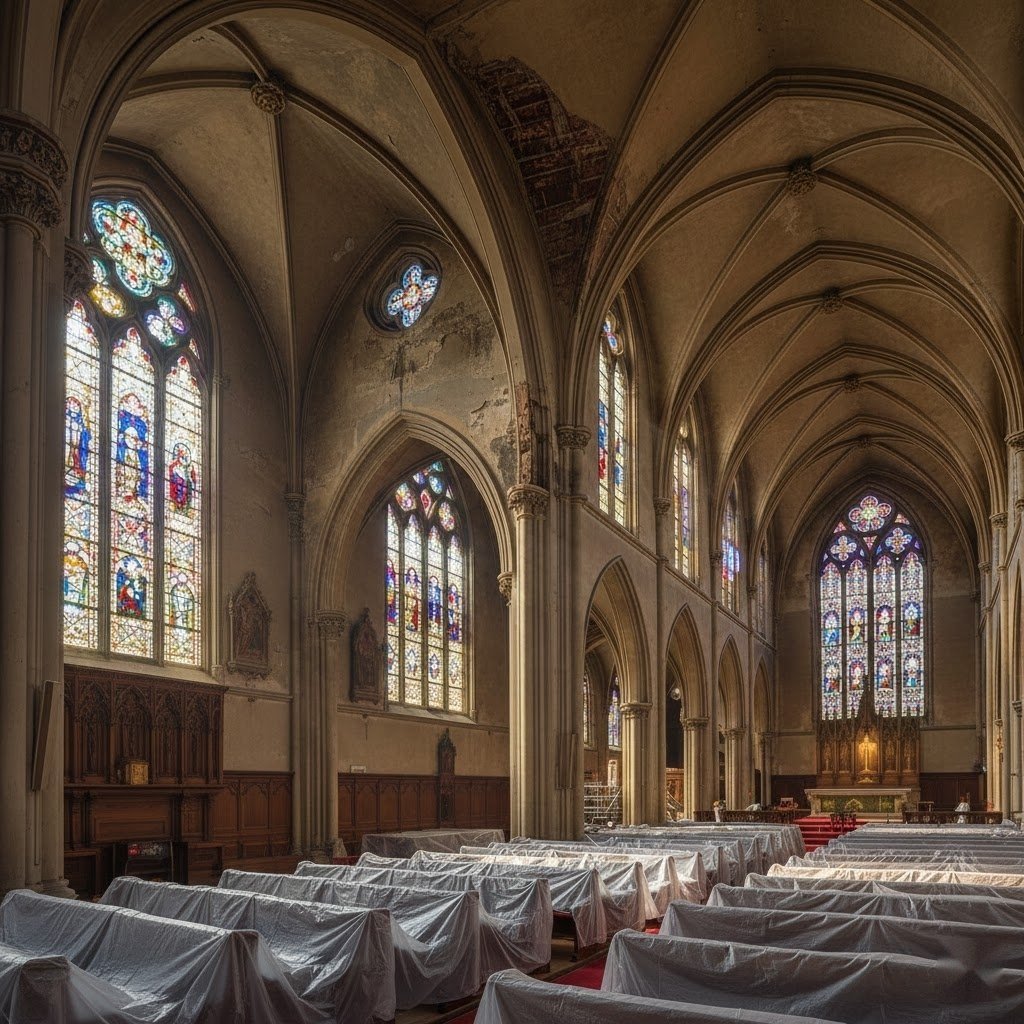
Serving Churches Across the Albuquerque Area
We assist church buildings throughout the Albuquerque area, from historic sanctuaries near Old Town and Downtown to modern worship centers in Uptown and Northeast Heights. Some downtown churches face flat roof and older basement challenges, while those in Paradise Hills, Westgate, and Northwest Heights may have larger campus-style layouts with fellowship halls and classroom wings. In the South Valley and International District, older structures and unique architectural details can create hidden moisture paths that demand careful inspection and respectful remediation. These regional differences matter because each location carries a distinctive combination of building age, materials, and climate exposure. Wherever your church is in the Albuquerque area, call 505-359-5669 if you suspect mold or musty conditions.
Serving churches and worship facilities across the Albuquerque area, from historic sanctuaries near Old Town to growing congregations in Northeast Heights and the Westside.
FAQs About Church Mold Remediation
Yes, in many cases. With careful containment, scheduling, and safety planning, sections of the church can stay open while affected areas are treated.
Most projects range from a few days for small areas to several weeks for large sanctuaries or basements, depending on moisture repairs and material replacement.
It can be. People with asthma, allergies, or weaker immune systems are more sensitive to spores and musty air, especially during long services.
Basements, crawlspaces, sanctuaries with roof leaks, fellowship halls, restrooms, baptismal areas, and any space with chronic moisture or poor ventilation.
Yes. We provide clear findings, photos, and documentation that boards and insurers can use to make decisions and handle claims.
Maintain roofs and gutters, ventilate basements, service HVAC systems, monitor moisture-prone areas, and respond rapidly to any leaks or stains.
Church Mold Remediation Case Study
A mid-sized church near Uptown struggled with a musty sanctuary and worsening allergy complaints. Our inspection found roof leaks and basement mold. We contained affected zones, removed damaged materials, repaired moisture sources, and restored finishes. Services continued with minimal disruption, and post-project feedback highlighted fresher air and improved comfort.
Related Services & Helpful Next Steps
Many churches manage multiple buildings and spaces beyond the main sanctuary. To protect your entire campus, you may also want to explore:
- Commercial Mold Removal – for offices, daycare wings, and community outreach buildings
- School Mold Remediation – if your church operates a Christian school or weekday education program
- Daycare Mold Remediation – for nurseries, preschools, or childcare spaces on campus
- Mold Inspection and Testing
- Black Mold Removal services
For deeper learning, visit the blog to read about Common Causes of Mold in Older Albuquerque Buildings and How to Build a Moisture Inspection Checklist for Churches. When you are ready to discuss your own facility, use the contact page to request an inspection and check the offers page for any current savings that may apply to multi-area remediation projects.
Ready to Protect Your Church from Mold?
If your church has musty odors, stained ceilings, damp basements, or member complaints about air quality, now is the right time to act. Mold Removal Albuquerque provides respectful, discreet church mold remediation that protects worshippers, preserves sanctuaries, and stabilizes building health. We inspect, contain, remove, repair, and restore with clear communication every step of the way so your leadership can make confident decisions.