Medical Office Mold Removal Services in Albuquerque
Medical office mold removal keeps your clinic safe when you discover stains, odors, or visible growth in patient areas. Mold in exam rooms, waiting rooms, and restrooms can make patients question your cleanliness and can aggravate breathing issues and allergies. Mold Removal Albuquerque provides professional mold remediation specifically tailored to medical offices, specialty practices, and outpatient suites across the Albuquerque area. We remove mold safely and thoroughly using procedures informed by EPA guidance and IICRC principles, while respecting your schedule and patient privacy.
How much does Medical Office Mold Removal cost in Albuquerque?
Medical office mold removal in Albuquerque typically ranges from $950 to $12,000+, depending on office size, number of exam rooms, contamination level, and whether HVAC or structural materials are affected. A small dermatology suite in Nob Hill will differ from a multi-provider clinic in Uptown or Northeast Heights. Every project starts with an onsite inspection and written estimate. For precise pricing, call 505-359-5669 to schedule a visit.
Why Medical Office Mold Removal Is Critical
Medical office mold removal protects your practice by eliminating harmful colonies and preventing moisture-driven regrowth in patient-care areas. Mold in exam rooms, waiting rooms, and procedure spaces releases spores into the air, which can cling to surfaces, recirculate through HVAC vents, and impact indoor air quality. This matters because patients often already have respiratory conditions, allergies, or weakened immune systems, and exposure in your clinic can worsen coughing, asthma, headaches, or general discomfort.
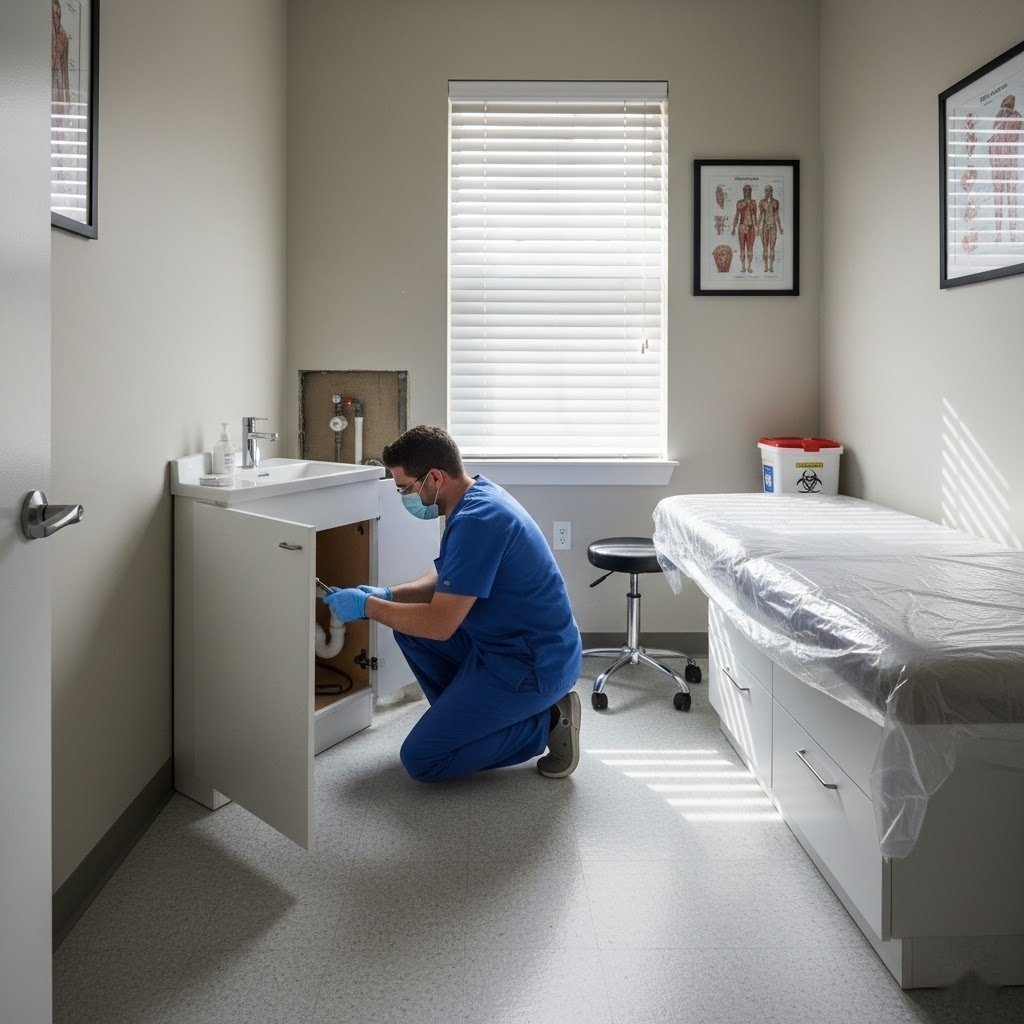
Addressing mold quickly also protects drywall, cabinetry, and ceiling tiles from long-term damage, helping you avoid costly reconstruction and downtime. For example, a small leak at an exam room sink in a Downtown Albuquerque internal medicine office led to soft drywall and visible spotting behind cabinetry; once we remediated the mold and corrected moisture levels, the practice avoided more extensive wall replacement and was able to reopen the room the next day. If your medical office smells musty or you’ve spotted suspicious staining, call 505-359-5669 so we can inspect and help you protect your patients and staff.
Causes of Mold in Albuquerque Medical Offices
Medical office mold removal starts with understanding that mold develops when moisture reaches porous materials such as drywall, ceiling tiles, insulation, or flooring. In Albuquerque’s medical buildings, that moisture often comes from roof leaks over medical office buildings, plumbing leaks at exam sinks or restrooms, condensation on HVAC units, and poor ventilation in interior treatment rooms. This matters because simply wiping a stain or replacing a ceiling tile doesn’t stop mold if the roof flashing, drain, or sink fitting continues to leak behind walls or above ceilings.
Many Downtown Albuquerque and Nob Hill medical offices sit in older buildings with flat roofs that can allow monsoon water to pool and infiltrate ceiling cavities. Swamp coolers and older HVAC systems found in some practices can create condensation around vents and ductwork, while bathroom humidity and constant handwashing at medical sinks raise moisture levels in small rooms. We’ve seen mold form under exam room cabinetry, along baseboards next to restrooms, and on the back of ceiling tiles in waiting rooms where roof penetrations dripped slowly for months. If you suspect leaks, condensation, or recurring ceiling stains in your clinic, call 505-359-5669 so we can identify and correct the underlying moisture source before it spreads.
Signs of Mold in Medical Offices
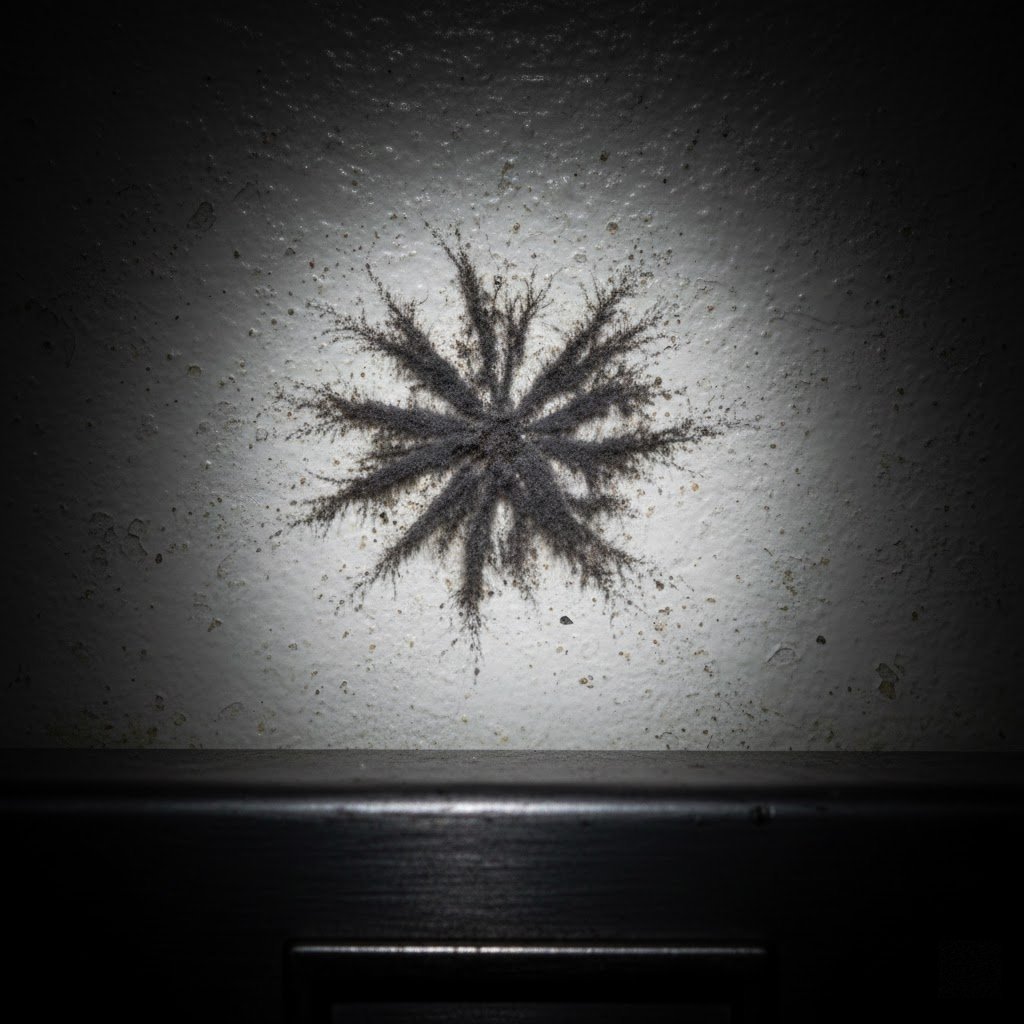
Most mold problems in medical offices reveal themselves through visible growth, odors, or health complaints before structural issues appear. You may notice yellow or brown stains on ceiling tiles in exam rooms, dark spots along caulk lines around sinks, or discolored drywall behind cabinetry where plumbing runs. This matters because these early signs indicate active or past moisture problems that can support mold growth, and delaying action allows spores to spread into adjacent rooms or HVAC components. Patients and staff might report musty smells in waiting areas, headaches during longer visits, or increased allergy symptoms in specific rooms.
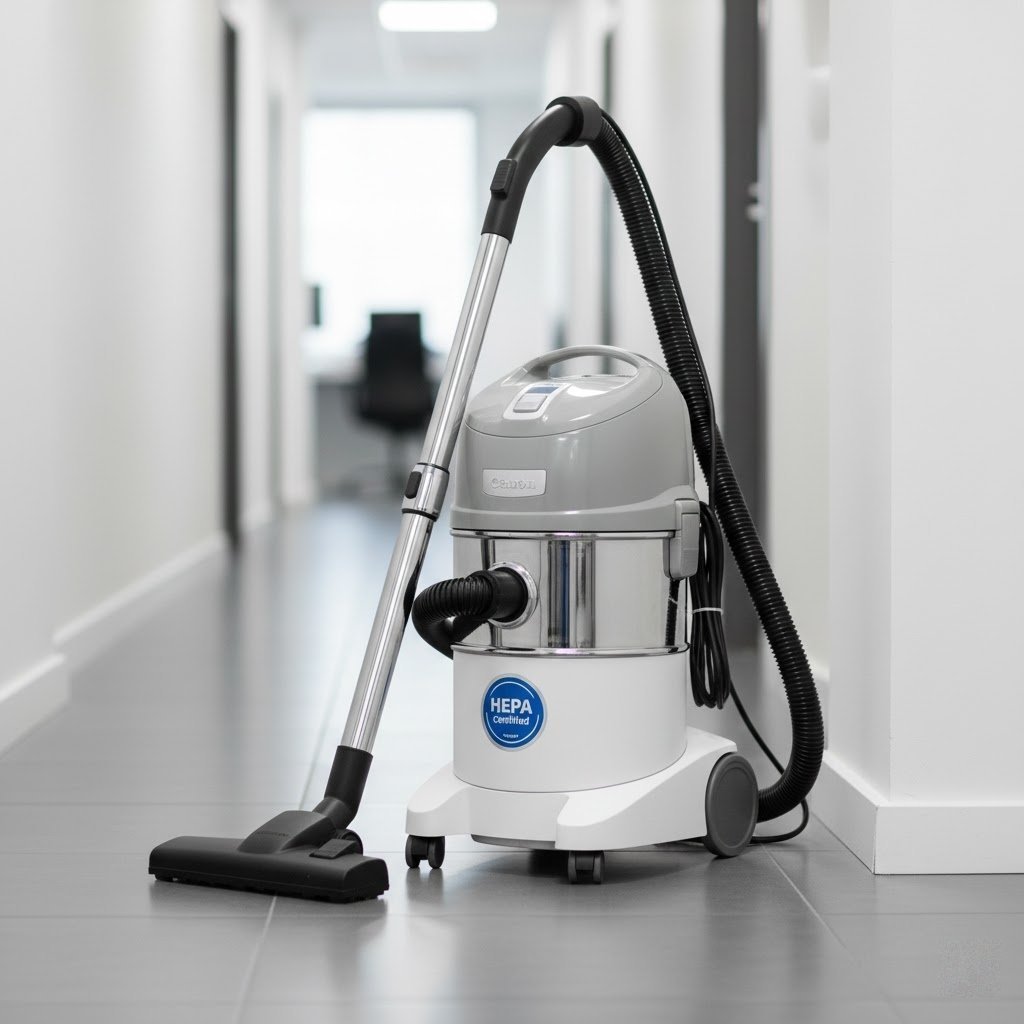
Hidden indicators can include soft or bubbling paint on walls, repeated tile staining in the same location even after replacement, or condensation around vents that never seems to dry. In one Northeast Heights pediatric office, parents complained about odor in the children’s waiting area; when we removed ceiling tiles, we found mold above a return vent caused by roof leakage and dust buildup, which we remediated using HEPA vacuums and antimicrobial treatments. If your team or patients are noticing smells, stains, or symptoms in certain rooms, call 505-359-5669 to schedule a targeted mold inspection before the problem escalates.
Our Medical Office Mold Removal Process
Professional medical office mold removal follows a strict, step-by-step process to contain, remove, and prevent mold while protecting patients and staff. We utilize methods informed by the IICRC S520 standard to ensure your clinic returns to a safe, sanitary condition.
Clinical environment inspection
We begin with a clinical environment inspection where we walk the office with your practice manager, identify patient-care versus administrative zones, and use moisture meters and thermal imaging to map moisture in exam rooms, waiting areas, restrooms, and breakrooms. This matters because understanding contamination patterns and moisture levels allows us to design containment that focuses on high-risk patient spaces and high-traffic zones.
Containment and air filtration
Next, we set up containment by sectioning off affected exam rooms or suites with plastic barriers and zipper doors, and we use negative pressure machines with HEPA filtration to keep spores from reaching hallways, waiting rooms, or neighboring medical suites. This prevents cross-contamination and ensures that mold spores released during removal do not compromise air quality in the rest of your facility.
HVAC and surface cleaning
We inspect your HVAC vents, look at return and supply paths, and, where necessary, coordinate duct cleaning or localized vent cleaning to reduce cross-contamination. For surface mold, we use HEPA vacuums, EPA-registered antimicrobial cleaners, and careful wiping techniques to remove colonies from walls, cabinetry exteriors, trim, and non-porous surfaces.
Structural removal and demolition
When structural mold is found behind drywall, ceiling systems, or under flooring, we perform selective demolition to remove damaged materials, clean and treat exposed framing, and dispose of debris under controlled conditions. We then address moisture sources—repairing sink leaks, resolving roof intrusion, correcting HVAC condensate problems, or improving airflow in tight clinical spaces.
Restoration and clearance verification
Finally, we restore with new drywall, ceiling tiles, flooring, and mold-resistant paint, and we perform clearance checks with moisture readings and, when requested, air quality checks. To walk through each step as it applies to your medical office, call 505-359-5669 and request a complete mold remediation plan.
Areas of a Medical Office We Treat
Medical office mold removal focuses on every space patients and staff rely on daily, because spores don’t respect room boundaries. We typically treat exam rooms, where sinks, cabinetry, and privacy curtains combine with frequent use to create moisture and dust buildup. This matters because exam rooms are where patients spend the most focused time with providers, and any odor or visible mold instantly erodes trust in your cleanliness and professionalism. Properly treating walls, ceilings, casework, and flooring in these rooms supports cleaner air and a calmer patient experience.
We also remediate mold in waiting rooms, where ceiling tiles near entrances and windows can stain from roof or window leaks, and in procedure or minor treatment rooms that sometimes have extra lighting and equipment generating heat and condensation. Restrooms and staff breakrooms are common sources of moisture around baseboards, behind toilets, and under sinks, while administrative offices and utility or storage rooms can harbor hidden mold behind file cabinets or supply shelves. In one Westside therapy office, we discovered mold behind a large bookshelf in a counseling room where an exterior wall had slowly absorbed moisture from a poorly sealed window. If any area of your medical office shows signs of moisture or mold, call 505-359-5669 so we can inspect every zone patients and staff rely on.
Residential vs Commercial vs Medical Office Remediation
Medical office mold removal differs from residential and general commercial remediation in risk profile, process, and documentation, even when the square footage is similar. Residential work focuses on family health and structure, while general commercial projects emphasize employee comfort and business continuity; medical office remediation adds patient vulnerability, heightened expectations for cleanliness, and regulatory awareness. This matters because a typical “office mold cleanup” approach may not go far enough in protecting indoor air quality for patients with asthma, allergies, or other chronic conditions.
In medical offices, we often deploy more HEPA filtration, stricter containment boundaries, and more careful traffic control than we would use in a standard business suite. We coordinate work hours around clinic schedules, sometimes performing louder or more disruptive steps before or after patient hours to reduce disruption. Documentation often includes moisture maps, photo reports, and remediation summaries that can be shared with landlords, property managers, and malpractice or liability insurers. If you need a mold removal company that understands the difference between treating a medical office and a basic workspace, call 505-359-5669 to discuss a medical-grade approach to your project.
Preventing Mold in Medical Offices
Medical office mold removal is most effective when it ends with a prevention plan that keeps moisture under control. Prevention focuses on ventilation, dehumidification where needed, leak detection, and routine inspections around sinks, ceilings, and HVAC components. This matters because mold develops when moisture reaches porous surfaces like drywall, ceiling tiles, or carpet backing and sits long enough for spores to colonize, which can happen quickly in small exam rooms or interior waiting areas with no windows. If you maintain stable humidity, promptly address leaks, and keep dust under control, you reduce the risk of new mold growth and protect indoor air quality.
Practical medical office prevention tips include scheduling routine roof and penetrations inspections for flat-roof buildings, checking sink traps and supply lines under exam room cabinetry, cleaning supply and return vents to reduce dust accumulation, and inspecting around windows and entry doors after heavy monsoon storms. Many clinics in Northeast Heights and Uptown also benefit from periodic checks on HVAC condensate lines and drip pans to prevent overflow onto ceilings or inside mechanical closets. Training staff to report any musty odor, ceiling stain, or dampness immediately helps catch issues before they escalate. If you’d like a customized mold prevention checklist for your medical office, call 505-359-5669 and ask about a proactive moisture and IAQ review.
Why Choose Mold Removal Albuquerque for Medical Office Mold Removal
Medical office mold removal with Mold Removal Albuquerque gives you a local partner that understands both clinical expectations and Albuquerque’s unique building and climate conditions. We bring experience working in private practices, specialty offices, dental clinics, therapies, and outpatient suites throughout neighborhoods like Downtown, Nob Hill, Uptown, and Northeast Heights. This matters because older medical buildings, flat roofs, and dry-but-dusty desert air create a specific mix of moisture and organic load that not every remediation company understands. By pairing our knowledge of local conditions with professional equipment such as HEPA vacuums, negative air machines, moisture meters, and thermal imaging, we deliver precise, low-disruption solutions.
Our procedures are informed by IICRC S520 principles for mold remediation and aligned with EPA guidance and OSHA safety expectations, giving you confidence that your practice is using recognized standards. We also communicate clearly with practice owners, office managers, and landlords, providing documentation that supports insurance claims, lease discussions, and internal risk reviews. Whether you run a single dermatology office or several therapy suites in different parts of town, we can adapt our scheduling and containment to your needs. To work with a remediation provider that treats your medical office as a clinical environment—not just another office—call 505-359-5669 or submit a consultation request online.
Localization: Mold Challenges in Albuquerque Medical Office Buildings
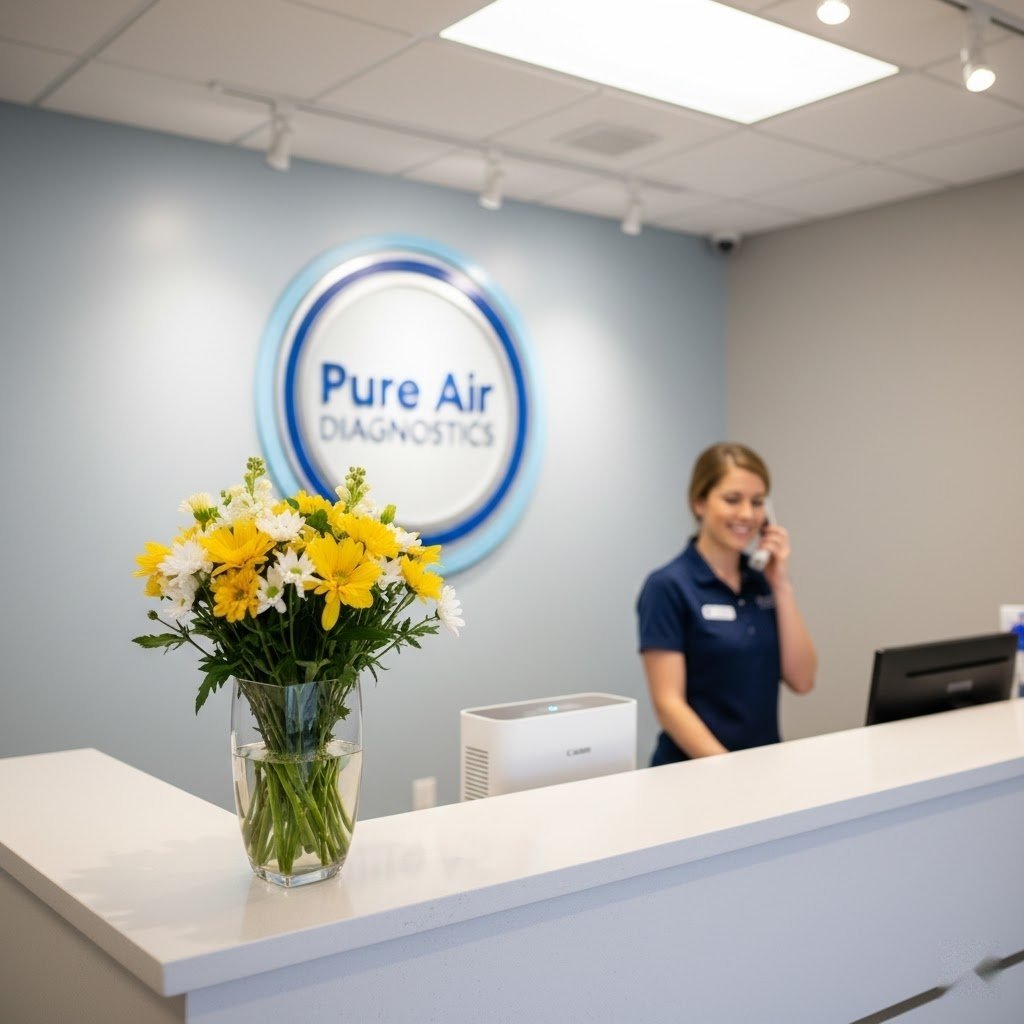
Medical office mold removal in Albuquerque must account for how building age, design, and local weather interact across different neighborhoods. In Downtown Albuquerque, many medical offices operate in older multi-story buildings or retrofitted commercial spaces, where flat roofs and aging plumbing can lead to slow ceiling leaks and hidden moisture behind walls. This matters because repeated monsoon storms can find the same weak points in roofs and flashing, leading to chronic staining in exam rooms and corridors if not addressed.
In Nob Hill and the surrounding University area, smaller clinics, therapy offices, and dental practices may occupy older houses or mixed-use buildings with swamp coolers, original windows, and varied wall construction. These conditions make window condensation, wall seepage, and dust accumulation more likely, increasing the risk of mold near vents and windowsills. In Uptown and Northeast Heights, larger commercial medical office buildings with centralized HVAC systems require careful inspection of condensate lines, mechanical closets, and roof penetrations above multiple suites. Westside and Paradise Hills practices in one-story buildings can experience ponding on broad flat roofs and storm-driven leaks near entryways. Wherever your medical office is located across the Albuquerque area, call 505-359-5669 so we can design remediation and prevention strategies tailored to your building’s layout and neighborhood conditions.
Serving medical offices and clinics across the Albuquerque area, from Downtown and Nob Hill to Uptown, Northeast Heights, and beyond.
FAQ: Medical Office Mold Removal
Mold in medical offices usually comes from roof leaks, sink plumbing leaks, HVAC condensation, or poor ventilation around exam rooms and restrooms. Quick moisture control prevents widespread contamination. Call 505-359-5669 if you suspect any of these issues.
Yes, mold can aggravate asthma, allergies, and respiratory issues, particularly for patients with existing conditions. Cleaner indoor air supports better patient comfort and trust. Schedule an inspection if patients or staff report symptoms in certain rooms.
Not always. With proper containment and scheduling, we can often keep parts of the office open while treating specific rooms. Safety and contamination level determine the approach. Call 505-359-5669 to plan a low-disruption project.
Duration depends on the size of the affected area, moisture repairs, and restoration needs. Small localized jobs may take a day, while larger suites may require several days or phases. We provide timelines after your onsite assessment.
Yes, spores can move through ductwork if mold develops near coils, condensate pans, or around vents, so HVAC inspection is an important part of many medical office projects. Ask us to include HVAC evaluation during your inspection.
Yes, we can perform moisture verification and coordinate air quality checks when requested, providing documentation for clinic management, landlords, and insurers. Let us know your reporting requirements when you call.
Micro Case Study: Mold in Exam Rooms
A multi-provider clinic in Uptown noticed ceiling stains and musty odors in two exam rooms. We inspected, found roof and HVAC condensate issues, installed HEPA-filtered containment, removed moldy ceiling tiles and drywall, corrected moisture sources, and restored finishes. Result: improved indoor air quality, no lost clinic days, and documented clearance for the landlord.
Related Services & Internal Links
Medical office mold removal often connects with other building and patient-safety services. Many practice owners also manage administrative offices, staff housing, or larger healthcare properties that may need broader solutions. Linking these services together helps you build a comprehensive prevention and remediation strategy.
From this page, visitors should be able to navigate quickly to other relevant services and educational resources on your site. You might guide them to a general commercial mold remediation page, a healthcare facility mold remediation page for larger clinics, or educational content like a blog on monsoon-related moisture risks in medical buildings. If you manage multiple properties or practice locations, call 505-359-5669 so we can discuss a plan that covers all your spaces.
Ready to Protect Your Medical Office?
Medical office mold removal is not something to postpone once you notice staining, odors, or patient complaints. Acting now keeps exam rooms safe, protects patient trust, and reduces the chance of larger repairs later. This matters because your environment is part of the care you deliver, and patients expect clean, healthy air every time they walk through your doors.
Whether you run a solo practice, a busy specialty clinic, or a group medical suite inside a larger building, Mold Removal Albuquerque can inspect, contain, remove, and help prevent mold with clinical awareness and minimal disruption. We’ll work with your team, your landlord, and your mechanical providers to reach a lasting solution. Call 505-359-5669 today or submit our online form to schedule your medical office mold inspection and remediation plan.